Vital Summary
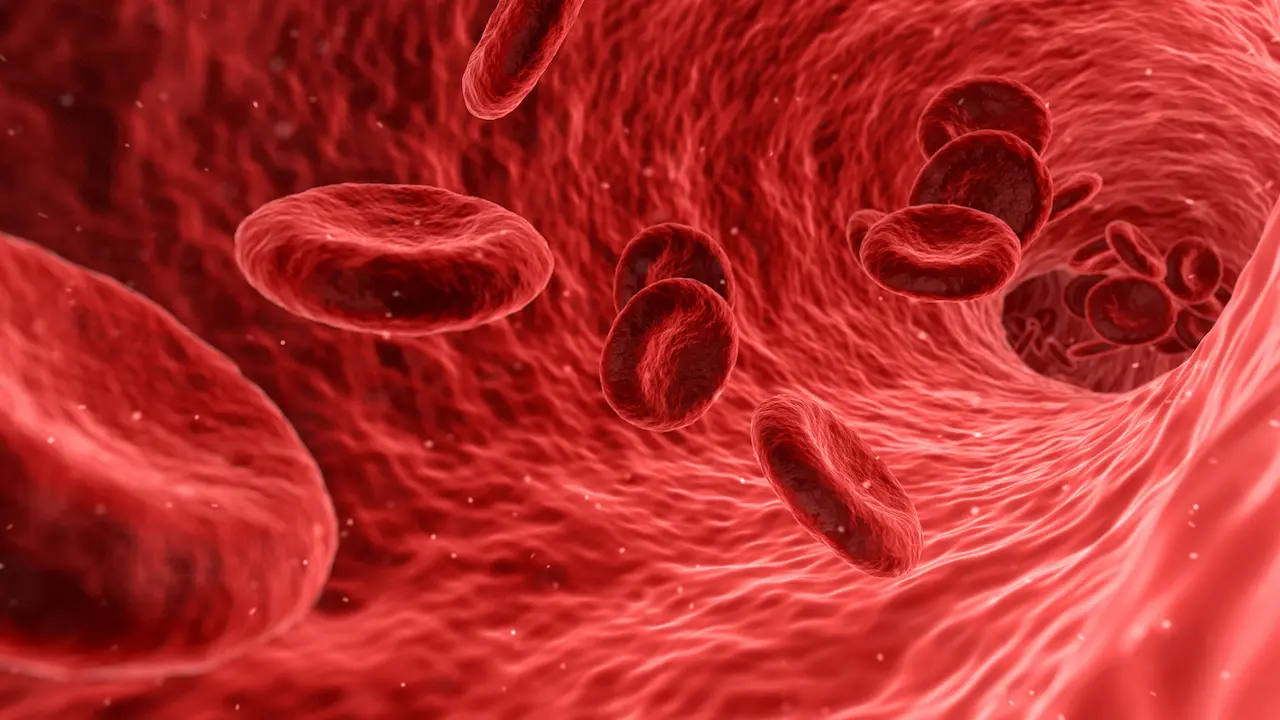
- The Pump Mechanism: Chewing acts as a physical “pump,” increasing cerebral blood flow by up to 20% in specific regions.
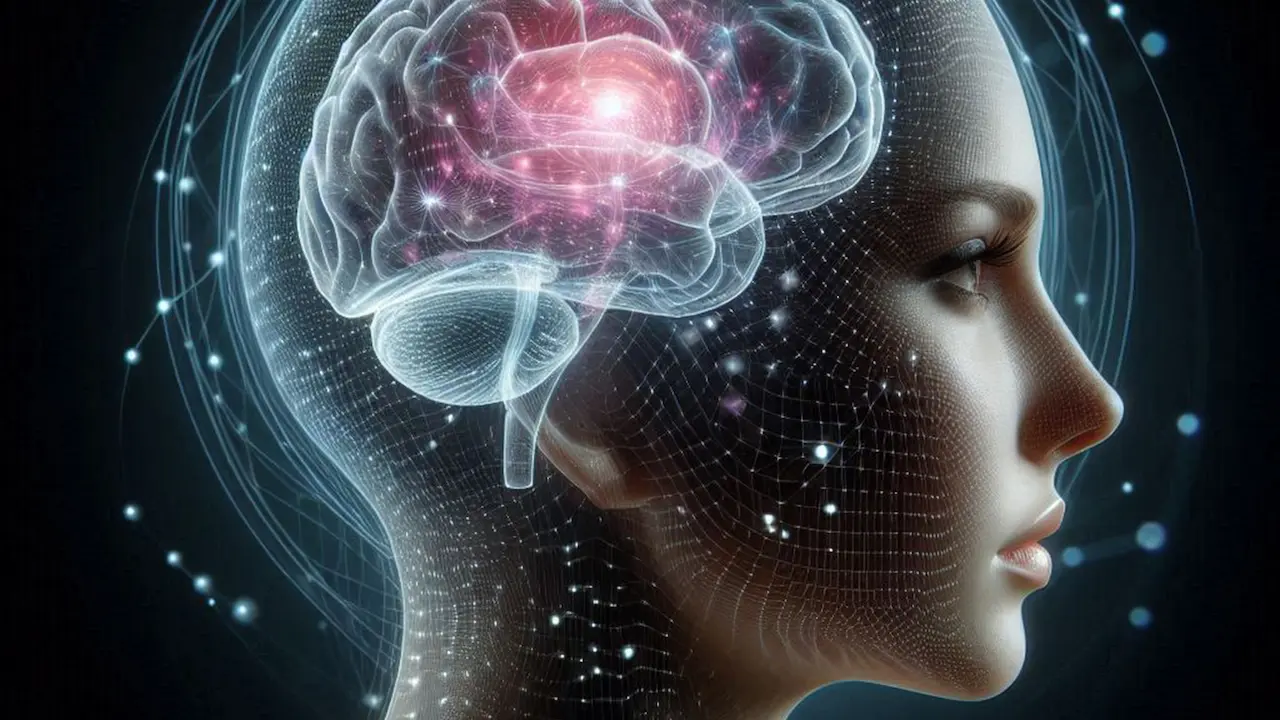
- Brain Target: Mastication specifically stimulates the prefrontal cortex and hippocampus, the centers for focus and memory.
- Stress Reduction: The rhythmic nature of chewing lowers cortisol levels by modulating the hypothalamus-pituitary-adrenal (HPA) axis.
- Cognitive Load: Even short bouts of jaw activation can improve reaction times and working memory for the subsequent 15–20 minutes.
Quick Answer
Jaw activation through mastication stimulates the trigeminal nerve, which has a direct neural pathway to the brain’s arousal centers. This process increases heart rate and oxygen delivery to the prefrontal cortex—the area responsible for executive function. By engaging the masseter muscles, you initiate a physiological state of “alertness” that enhances oxygen-hemoglobin levels in the brain, leading to measurable improvements in attention and cognitive processing speed.
The Science Behind the Secret
The link between your jaw and your brain is one of the most direct “hardware” connections in the human body. It is not just about breaking down food; it is about biological signaling.
1. The Trigeminal Pathway
The jaw is controlled by the Trigeminal Nerve, the largest of the cranial nerves. When you chew, sensory information is sent to the Locus Coeruleus in the brainstem. This area is the brain’s primary source of norepinephrine, the neurotransmitter responsible for wakefulness and “phasic” alertness.
2. Cerebral Blood Flow (CBF)
Research using fMRI and Doppler sonography has shown that rhythmic chewing significantly increases blood flow to the Prefrontal Cortex and the Hippocampus. A study published in the Journal of Dental Research found that this increase in blood flow enhances the delivery of glucose and oxygen, essentially “fueling” the brain’s most energy-demanding regions during complex tasks.
3. The Cortisol Dampener
Chewing isn’t just an “on” switch for focus; it’s an “off” switch for stress. Clinical trials have demonstrated that rhythmic chewing during a stressful task reduces the concentration of salivary cortisol. This suggests that jaw activation helps “absorb” the excess sympathetic nervous system energy that usually manifests as anxiety.
What This Means for You
In real life, this is why many people find themselves craving something “crunchy” or reaching for gum when they are under a tight deadline. Your body is instinctively trying to wake up your frontal cortex.
Think of a moment when you were hitting a “3 PM wall” and felt your eyes glazing over. If you start chewing—even something as simple as a piece of sugar-free gum—you are mechanically “pumping” oxygenated blood back into the part of your brain that handles decision-making. It’s a biological hack that bypasses the need for more caffeine, providing a cleaner, more stable form of alertness.
The Cognitive Benefits of Mastication
| Person Type | What to consider | Why it’s supported by evidence |
| The Student | Memory Retention | Hippocampal stimulation during chewing is linked to better spatial and short-term memory. |
| The Driver / Commuter | Sustained Attention | Jaw activation helps maintain “vigilance” during repetitive, low-stimulation tasks. |
| The Beginner | Simple Anxiety Relief | Rhythmic chewing provides a grounding “somatic” focus that calms the nervous system. |
The Jaw Activation Protocol
- Timed Chewing: Use sugar-free gum or a fibrous snack (like carrots) for 10–15 minutes before a high-stakes meeting or study session.
- The “Resistance” Factor: The cognitive benefit is tied to the force of the chew. Using something with a bit of resistance (like mastic gum or a firm vegetable) provides a stronger signal to the brain than soft foods.
- Post-Meal Focus: Take five minutes after eating to chew thoroughly. This helps mitigate the “food coma” by keeping blood flow diverted toward the brain rather than just the digestive system.
How to start based on your lifestyle:
- If you’re busy: Keep a pack of sugar-free gum in your laptop bag. Reach for it specifically when you feel “stuck” on a problem.
- If you’re serious: Incorporate more raw, unprocessed foods into your breakfast and lunch. The act of “working” for your food preps your brain for the work day.
- If you’re a beginner: Notice the tension in your jaw when you’re stressed. Instead of clenching (which restricts blood flow), try a rhythmic chew to release that energy.
Pros and Cons of “The Chewing Secret”
Pros:
- Non-Stimulant Alertness: Provides a “wake-up” call without the jitters of coffee or energy drinks.
- Immediate Effect: Blood flow to the brain increases almost as soon as you begin chewing.
- Zero Calorie Focus: If using sugar-free gum, it’s a tool that doesn’t interfere with nutritional goals.
Cons:
- Jaw Fatigue: Excessive chewing can lead to TMJ discomfort if overdone.
- Social Norms: Chewing gum isn’t always appropriate in professional or formal settings.
- Short-Term Boost: The primary cognitive benefits usually peak during and shortly after the act of chewing.
FAQ
Does it have to be gum?
No. Any rhythmic jaw activation works. Raw vegetables, nuts, or even the act of “mindful chewing” during a meal provides the same cerebral blood flow benefits.
Does it matter if it’s sugar-free?
Yes. Sugary gums cause an insulin spike which can eventually lead to a “crash,” negating the cognitive gains. Stick to xylitol-based or natural gums.
Final Takeaway
The jaw is more than a tool for eating; it is a mechanical lever for brain health. By utilizing the Trigeminal Nerve pathway, you can actively “pump” more oxygen and glucose into your prefrontal cortex, enhancing your focus, memory, and emotional stability. The next time you feel your focus slipping, remember that the secret to a sharper mind might simply be in your jaw.
References
- Journal of Prosthodontic Research (2019). The effects of chewing on cognitive function. Direct Link
- Biomed Research International (2015). Mastication as a countermeasure to stress. [suspicious link removed]
- Journal of Dental Research (2013). Chewing maintains hippocampus-dependent cognitive function. Direct Link