Objective Definition — “What it is”
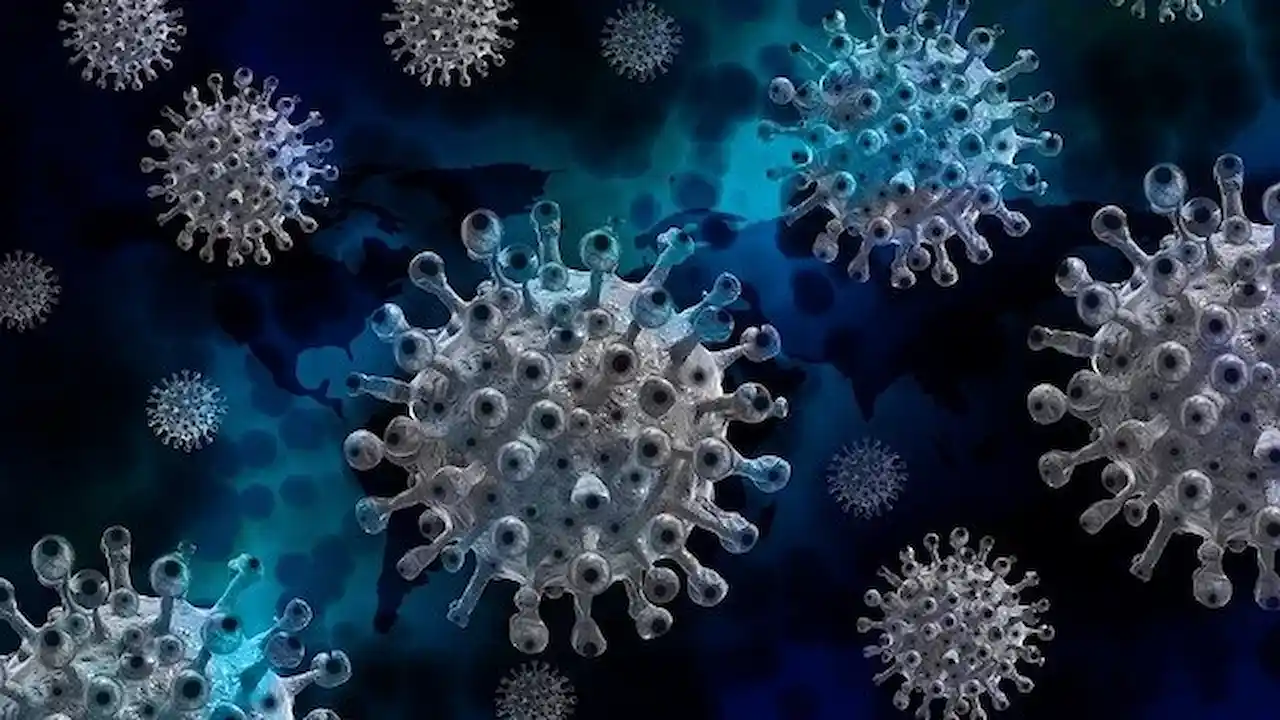
COVID-19 (Coronavirus Disease 2019) is an infectious disease caused by the SARS-CoV-2 virus, a member of the Coronaviridae family. It is primarily classified as a respiratory pathogen, though it is increasingly recognized as a multi-systemic disease that can affect the vascular, neurological, and gastrointestinal systems.
The virus’s fundamental role in the body is to hijack the ACE2 (Angiotensin-Converting Enzyme 2) receptors, which are found on the surface of cells in various organs, including the lungs, heart, kidneys, and intestines. By binding to these receptors, the virus enters the host cells to replicate, often triggering an immune response that can vary from mild to life-threatening.
Mechanism of Action — “How it works”
The infection process typically follows a specific biological sequence:
- Entry: The virus enters the body through respiratory droplets or aerosols, where its “spike protein” attaches to ACE2 receptors on the surface of healthy cells.
- Replication: Once inside, the virus releases its genetic material (RNA), forcing the host cell to produce new viral particles.
- Immune Response: The body’s immune system detects the virus and releases signaling proteins called cytokines. This leads to inflammation as the body attempts to clear the infection.
- Downstream Effects: In some cases, the immune response becomes overactive (a “cytokine storm”), leading to widespread inflammation, fluid buildup in the lungs (pneumonia), and potential damage to other organs due to oxygen deprivation or microscopic blood clots (micro-thrombosis).
Historical / Development Context
SARS-CoV-2 was first identified in late 2019 following an outbreak of viral pneumonia. It was quickly recognized as a novel coronavirus, distinct from previous strains like SARS-CoV (2003) and MERS-CoV (2012). The rapid global spread led the World Health Organization (WHO) to declare a pandemic in early 2020. Since then, the scientific focus has shifted from acute crisis management to long-term management and the study of evolving variants.
Observed Data & Documented Findings
As of early 2026, clinical and observational data indicate several stable trends in the behavior of the virus:
- Evolving Variants: Dominant strains in 2026, such as the Nimbus (NB.1.8.1) and Stratus (XFG) variants, show high transmissibility and an ability to partially evade prior immunity, though they typically result in less severe acute illness for the general population compared to early 2020 strains.
- Long-Term Sequelae: Approximately 10–15% of adults infected with SARS-CoV-2 report symptoms lasting more than 12 weeks, a condition known as Post-COVID-19 Condition (Long COVID).
- Demographic Vulnerability: While vaccines and boosters have significantly lowered mortality rates, individuals aged 65 and older and those with pre-existing multimorbidity (e.g., cardiovascular disease, diabetes) remain at the highest risk for severe outcomes.
The Two-Sided View — Balance Table
| Documented Biological/Clinical Observations | Reported Risks & Associated Complications |
| Immune Memory: Natural infection and vaccination contribute to T-cell and B-cell memory, which typically reduces the risk of severe future illness. | Viral Persistence: In some cases, viral fragments may remain in tissues (gut, brain, nerves) for months, potentially contributing to chronic inflammation. |
| Adaptive Evolution: Newer variants (Omicron descendants) often show a preference for the upper respiratory tract, reducing the frequency of severe lung damage. | Long COVID (PASC): Chronic symptoms including fatigue, “brain fog,” and post-exertional malaise can persist for over a year in about 15% of Long COVID patients. |
| Diagnostic Accessibility: The availability of rapid antigen and molecular testing allows for early detection and isolation to manage community spread. | Systemic Risk: Post-infection analyses show a durable burden of incident conditions, such as a 24% higher risk of high cholesterol in younger populations. |
What We Know vs. What We Don’t Know
What science is confident about:
- COVID-19 is an airborne disease transmitted primarily through respiratory droplets.
- Vaccination significantly reduces the risk of hospitalization and death across all known variants.
- The virus can cause multi-organ effects, including the heart, kidneys, and brain.
- Long COVID is a distinct clinical entity involving prolonged inflammation and immune exhaustion.
What is still debated or unclear:
- The precise biological “trigger” that determines why some individuals develop Long COVID while others recover fully.
- The full extent of the long-term metabolic and neurological impacts on children infected in early life.
- The frequency with which the virus might mutate into a strain that significantly increases illness severity again.
REFERENCES
- A year of discovery: Looking back at 2025 and ahead to 2026 — RECOVER COVID Initiativehttps://recovercovid.org/news/year-discovery-looking-back-2025-and-ahead-2026
- Long COVID Signs and Symptoms — Centers for Disease Control and Prevention (CDC)https://www.cdc.gov/long-covid/signs-symptoms/index.html
- WHO COVID-19 Dashboard — World Health Organization (WHO)https://data.who.int/dashboards/covid19/summary
- National flu and COVID-19 surveillance report: 5 March 2026 — GOV.UKhttps://www.gov.uk/government/statistics/national-flu-and-covid-19-surveillance-reports-2025-to-2026-season/national-flu-and-covid-19-surveillance-report-5-march-2026-week-10