
Vital Summary
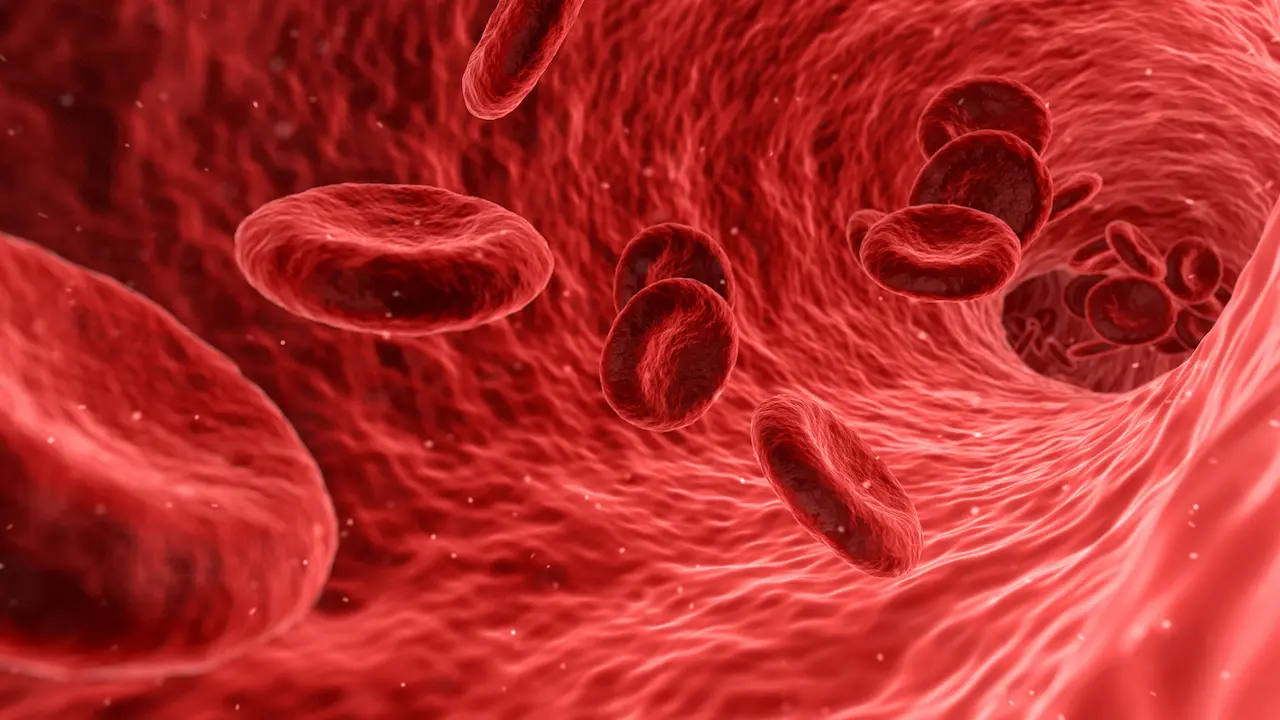
- The “Gravity Sink”: When you stand, gravity pulls roughly 500ml to 700ml of blood toward your legs and abdomen.
- The Delayed Signal: Dizziness occurs when your blood pressure drops momentarily before your heart and blood vessels can compensate.
- The Baroreceptor Reflex: Specialized sensors in your neck usually “fix” this in seconds; if they are slow, you feel the “head rush.”
- Hydration and Volume: Low water intake or salt levels are the most common reasons the body struggles to maintain upward pressure.
Quick Answer
The sudden dizziness you feel when standing is a condition called Orthostatic Hypotension (or postural hypotension). It happens because gravity causes blood to pool in your lower body, momentarily reducing the amount of oxygen-rich blood reaching your brain. Your body usually corrects this within seconds by narrowing your blood vessels and increasing your heart rate, but if you are dehydrated, tired, or getting older, this adjustment period lags, resulting in a “gray-out” or dizzy spell.
The Science of the “Upward Push”
Maintaining blood flow to the brain while standing is a complex feat of engineering. Your body relies on a rapid-response system called the Baroreceptor Reflex.
How it Works:
- The Drop: As you stand, the pressure in the upper body falls.
- The Detection: Sensors called Baroreceptors in your carotid sinus (neck) and aortic arch (chest) detect this drop instantly.
- The Correction: They send a signal to the brainstem, which triggers the sympathetic nervous system to:
- Increase heart rate to pump more blood.
- Constrict blood vessels in the legs and gut to “squeeze” blood back upward.
- The Failure: If your blood volume is low (dehydration) or your “pipes” are too relaxed (heat or alcohol), the pressure doesn’t rise fast enough. Your brain experiences a brief Hypoxia (lack of oxygen), which you perceive as dizziness or blurred vision.
Evidence Strength: Well-documented as a fundamental physiological reflex; Orthostatic Hypotension is a standard clinical diagnosis for this phenomenon.
What This Means for You
You’re sitting on the couch watching a show, you hear the doorbell, and you bolt upright. Suddenly, the room spins, your vision goes dark around the edges, and you have to grab the wall.
This is your body telling you that its Autonomic Nervous System was caught off guard. In a rested state, your heart rate is low and your vessels are dilated. By standing too fast, you outpaced your body’s ability to “re-pressurize” the system. It’s a literal gravity problem. While usually harmless, frequent episodes are a clear sign that your “baseline” blood volume is likely lower than it should be.
Visual Logic: Identifying Your Dizziness Type
| Factor | What to consider | Why it’s supported by evidence |
| The Morning Rush | Overnight dehydration. | You lose significant fluid through breath and sweat while sleeping, lowering blood volume. |
| The Hot Shower | Vasodilation. | Heat opens up blood vessels, making it harder for the body to “squeeze” blood upward. |
| The “Leg Lock” | Lack of muscle pump. | Your calf muscles act as a “second heart”; standing still or locking knees prevents them from pushing blood up. |
The “Steady Rise” Protocol: 1-2-3
If you are prone to these head rushes, you can train your system to handle gravity more effectively.
- The “Ankle Pump”: Before standing up, flex your feet or march your legs in place for 10 seconds. This “primes” the muscle pumps in your calves to start moving blood upward.
- The Two-Stage Stand: Move from lying to sitting, wait 15 seconds, and then move to standing. This gives the baroreceptors two smaller adjustments rather than one massive one.
- The “Salt and Water” Reset: Ensure you are getting enough electrolytes. Without enough sodium and water, your blood volume stays low, making it physically impossible for the heart to maintain pressure against gravity.
How to Start
- If you’re busy: Drink a large glass of water immediately upon waking. This is when your blood pressure is naturally at its lowest.
- If you’re serious: Avoid “locking” your knees when standing. Keep a micro-bend in them to keep your leg muscles engaged.
- If you’re a beginner: If you feel the dizziness hitting, cross your legs tightly and squeeze your thigh muscles. This “internal tourniquet” forces blood back toward your head.
Pros & Cons of the “Head Rush”
Pros:
- Acts as a highly accurate “dehydration meter.”
- Signals when your nervous system might be over-taxed or fatigued.
Cons:
- Fall Risk: The primary danger is losing balance or fainting (syncope) and hitting your head.
- Cognitive Fog: Frequent drops in blood pressure can leave you feeling “spacey” or tired throughout the day.
FAQ
Is it dangerous?
For most healthy people, it’s a temporary nuisance. However, if it leads to actual fainting, happens every single time you stand, or is accompanied by chest pain, it requires a medical evaluation to rule out heart or neurological issues.
Does caffeine help?
Short-term, yes, because it constricts blood vessels. Long-term, it can be a diuretic that leads to lower blood volume, potentially making the problem worse.
Final Takeaway
Dizziness when standing is a gravity-driven drop in blood pressure that outpaces your body’s internal pressure-sensing system. While your baroreceptor reflex is designed to fix this, factors like dehydration, heat, and age can cause a “lag.” To stop the spin, focus on increasing your blood volume through hydration and using “pre-stand” muscle movements to help your heart fight the downward pull of gravity.
References
- American Heart Association (AHA). (2022). What is Orthostatic Hypotension? https://www.heart.org/en/health-topics/high-blood-pressure/head-rushes-and-orthostatic-hypotension
- Freeman, R., et al. (2011). Consensus statement on the definition of orthostatic hypotension. Clinical Autonomic Research. https://doi.org/10.1007/s10286-011-0119-5
- Mayo Clinic. (2023). Orthostatic hypotension (postural hypotension). https://www.mayoclinic.org/diseases-conditions/orthostatic-hypotension/symptoms-causes/syc-20352548