Vital Summary
- The “Invisible” Culprits: LED light bulbs, smart appliances, and modern bathroom mirrors are high-intensity blue light sources.
- Biological Sensitivity: The brain doesn’t distinguish between a smartphone screen and a “cool white” kitchen bulb.
- The Evening Surge: Using bright overhead lights after sunset can suppress melatonin just as much as scrolling.
- The Fix: Strategic “light layering” using warm-spectrum bulbs is the key to protecting your sleep-wake cycle.
Quick Answer
Hidden blue light comes from “cool white” LED bulbs, energy-efficient appliances, and backlit digital displays found on ovens or alarm clocks. These sources emit a high concentration of short-wavelength light ($450-490$ nm) that triggers the brain’s alertness centers. Even if you put your phone away, standing in a brightly lit kitchen or bathroom for 15 minutes before bed can delay your internal clock by signaling to the brain that it is still daytime.
The Science of the “Ambient” Alert
Most people focus on their phones because the light is direct and close to the eyes. However, the Melanopsin receptors in your retinas are also sensitive to the ambient light filling a room.
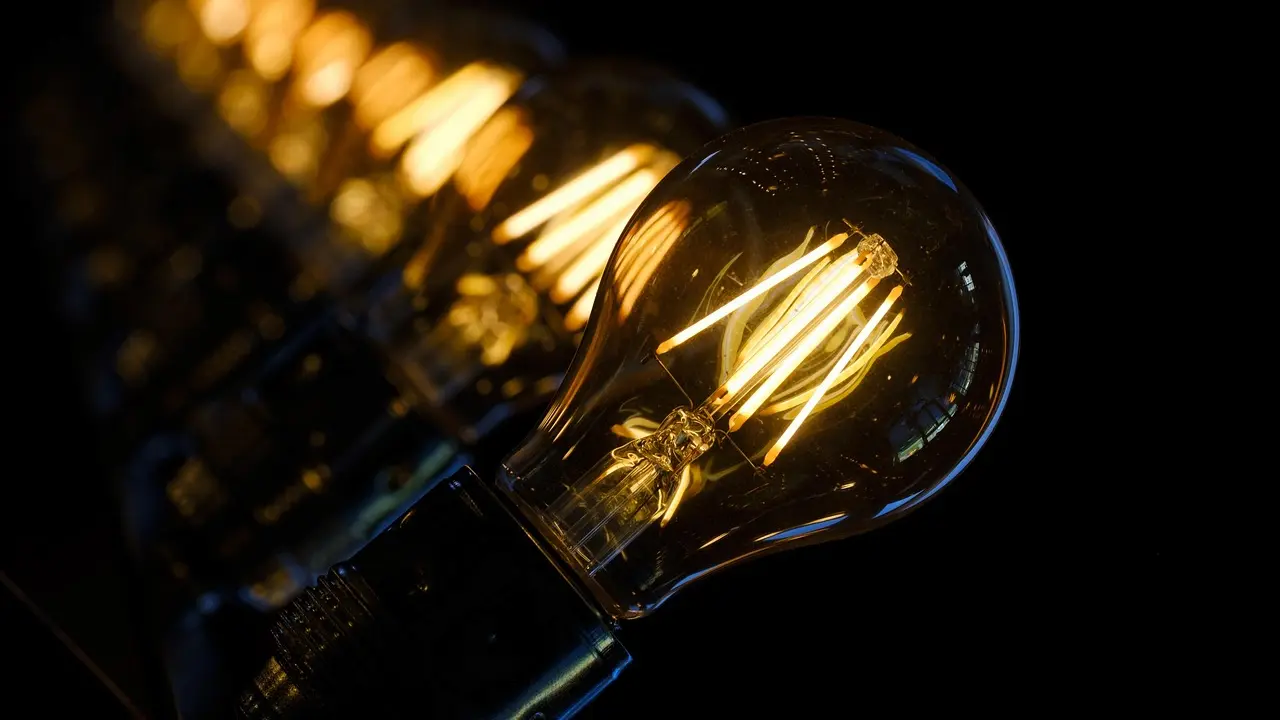
Modern LED (Light Emitting Diode) bulbs are highly energy-efficient because they produce light primarily in the blue-light spectrum. When you flip on a standard “Daylight” or “Cool White” bulb in the evening, you are hitting your eyes with a massive dose of circadian-disrupting energy.
[Related: Nervous System Basics]
The Suprachiasmatic Nucleus (SCN)—the brain’s master clock—interprets this ambient brightness as an extension of the sun. Research from the Journal of Clinical Endocrinology & Metabolism suggests that exposure to room light before bedtime can shorten melatonin duration by about 90 minutes. This isn’t just a phone problem; it’s an environmental problem.
Evidence Strength: Well-established that room-level LED light suppresses melatonin; emerging research on how “light pollution” from household appliances affects sleep architecture.
What This Means for You
You’ve done everything “right.” You put your phone in the kitchen at 9:00 PM. You picked up a paper book. But then, you spent twenty minutes in a brightly lit bathroom brushing your teeth, followed by a quick trip to the kitchen under high-wattage LED “can” lights.
By the time you get into bed, you feel strangely awake. This is because your brain just received a “reset” signal from your ceiling. You aren’t failing at your sleep routine; your house is simply working against your biology. In the modern home, “night” doesn’t exist until we manually create it.
[Related: Sleep & Stress Guide]
Visual Logic: Tracking Hidden Blue Light
| Person Type | The Hidden Source | Why it’s supported by evidence |
| The Home Chef | Under-cabinet LEDs / Oven displays. | Intense, direct light hits the eye at a close range during evening prep. |
| The Night Reader | High-lumen “Cool” bedside lamps. | Close proximity to the eyes increases the effective “lux” (intensity). |
| The Bathroom User | Backlit “Vanity” mirrors. | These often use 5000K+ bulbs, which are peak circadian disruptors. |
The Home Light Protocol: 1-2-3
To fix your environment, you need to transition from “Utility Lighting” to “Biological Lighting” as the sun goes down.
- The “Kelson” Shift: Replace bulbs in your bedroom and living room with “Warm White” or “Amber” LEDs ($2700$K or lower). Avoid anything labeled “Daylight” ($5000$K-$6500$K) in areas where you spend your evenings.
- The Lower Third Rule: Light from above (ceiling lights) hits the bottom of the retina, which is more sensitive to circadian signals. Switch to floor lamps or table lamps after 8:00 PM to keep light low in your visual field.
- Black Out the “Ghost” Lights: Use black electrical tape to cover the glowing blue or green LEDs on your router, air purifier, or microwave. These tiny “micro-lights” are enough to disrupt a dark-adapted eye.
How to Start
- If you’re busy: Buy one set of “Smart Bulbs.” Set them to turn dim and orange automatically at 8:00 PM.
- If you’re serious: Install a dimmer switch in your bathroom. This is the single most effective way to prevent the “midnight wake-up” signal when you use the restroom.
- If you’re a beginner: Simply turn off all overhead lights and use only one small lamp in the corner of the room for the two hours before bed.
Pros & Cons of LED Lighting
Pros:
- Significant energy savings and lower utility bills.
- High visibility for tasks like cooking or cleaning.
- Longer lifespan than traditional incandescent bulbs.
Cons:
- Circadian Disruption: Most standard LEDs are “blue-rich” by default.
- Flicker Stress: Some low-quality LEDs have a high-frequency flicker that causes headaches and eye strain, even if you can’t see it.
- Sleep Latency: Bright home environments increase the time it takes to fall asleep.
FAQ
Do “Smart Bulbs” actually help?
Yes, if they allow you to change the “Color Temperature.” Setting them to a deep amber or red in the evening effectively removes the blue light that suppresses melatonin.
Is a nightlight okay for kids?
Yes, but only if it is red or orange. Avoid blue or “cool white” nightlights, as these can disrupt a child’s developing sleep patterns.
Final Takeaway
Blue light isn’t just a screen issue; it is an environmental one. The modern home is filled with high-intensity LED sources—from ceiling lights to appliance displays—that signal “daytime” to the brain long after the sun has set. By swapping to warm-spectrum bulbs, lowering the physical height of your light sources, and eliminating “ghost lights,” you can create a biological sanctuary that supports natural melatonin production and deeper, more restorative sleep.
References
- Gooley, J. J., et al. (2011). Exposure to room light before bedtime suppresses melatonin onset and shortens melatonin duration in humans. Journal of Clinical Endocrinology & Metabolism. https://doi.org/10.1210/jc.2010-2098
- American Medical Association (AMA). (2016). Human and Environmental Effects of Light Emitting Diode (LED) Community Lighting. https://www.ama-assn.org/press-center/press-releases/ama-adopts-guidance-reduce-harm-high-intensity-street-lights
- West, K. E., et al. (2011). Blue light from light-emitting diodes elicits a dose-dependent suppression of melatonin in humans. Journal of Applied Physiology. https://doi.org/10.1152/japplphysiol.01413.2010