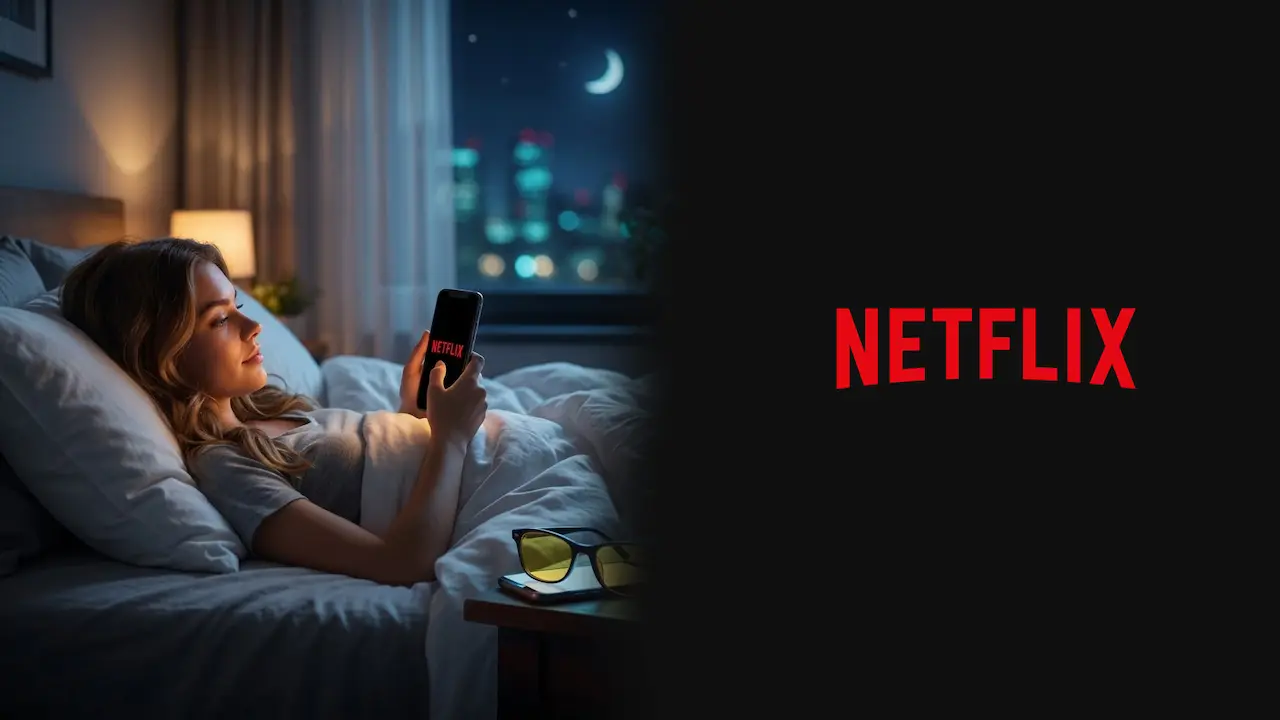
Vital Summary
- The “One More” Trap: Even a single 45-minute episode can delay your internal clock by shifting melatonin production.
- Blue Light vs. Storytelling: The physical light of the TV is only half the problem; “narrative transport” creates psychological alertness.
- Cortisol Spikes: High-intensity or suspenseful content triggers the “fight or flight” system, making deep sleep difficult.
- The Buffer Rule: Successful recovery requires a 30-minute cooling-off period between the screen and the pillow.
Quick Answer
Watching even one episode of a show late at night disrupts your body clock through a dual-action process. First, the blue light emitted by the screen suppresses melatonin, the hormone that signals sleep. Second, the emotional engagement of the story—especially cliffhangers—increases your heart rate and cognitive arousal. This combination makes it harder to fall asleep and reduces the amount of restorative REM sleep you receive.
The Science of the Stream
When you press play on a late-night episode, you aren’t just consuming media; you are engaging in a physiological event. Your body clock, or Circadian Rhythm, relies on the absence of light to trigger the pineal gland to release melatonin.
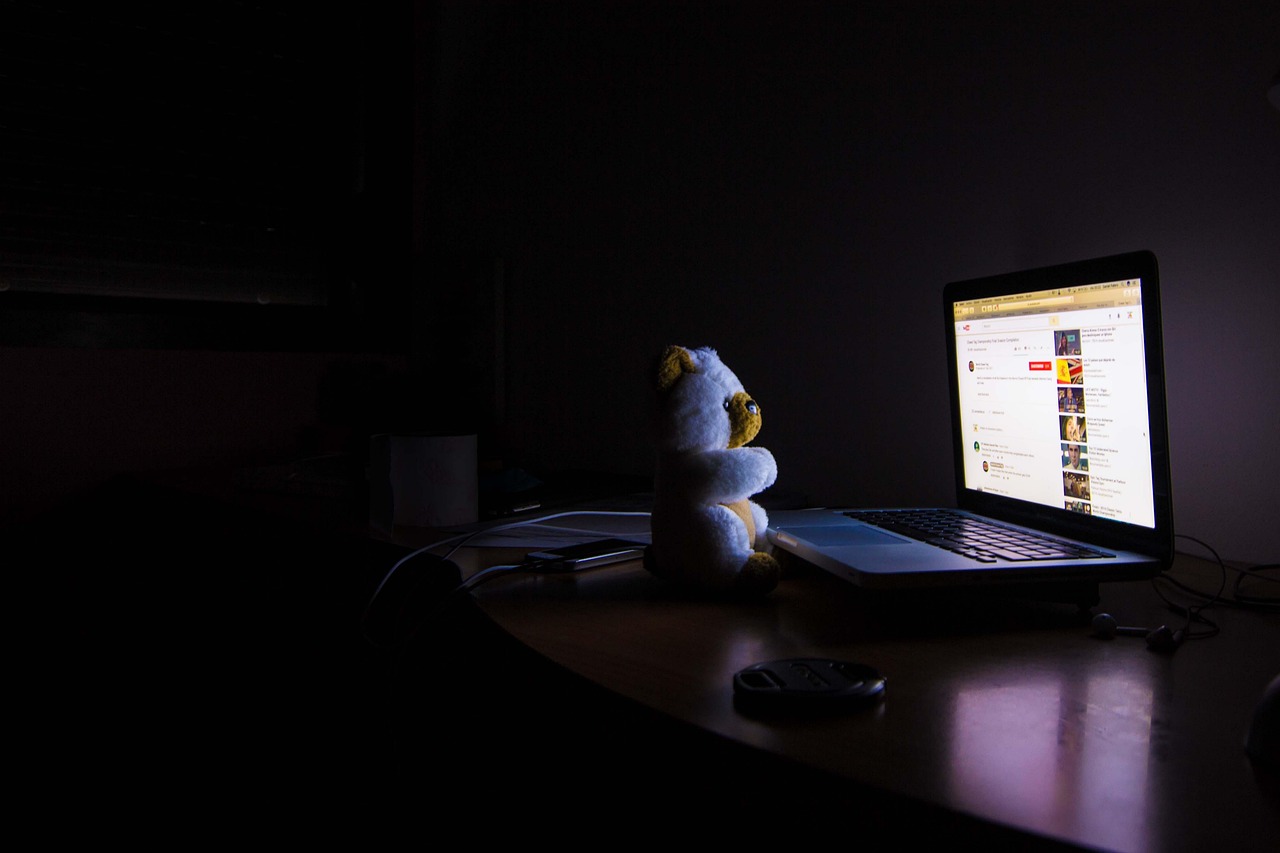
Even at a distance, the light from a modern LED television is rich in Blue Light ($450-490$ nm). This light hits the Suprachiasmatic Nucleus (SCN) in your brain—the “master clock”—and essentially tells it that the sun has risen. This can shift your sleep phase by up to an hour, making you feel more alert just when you should be winding down.
Shutterstock
Explore
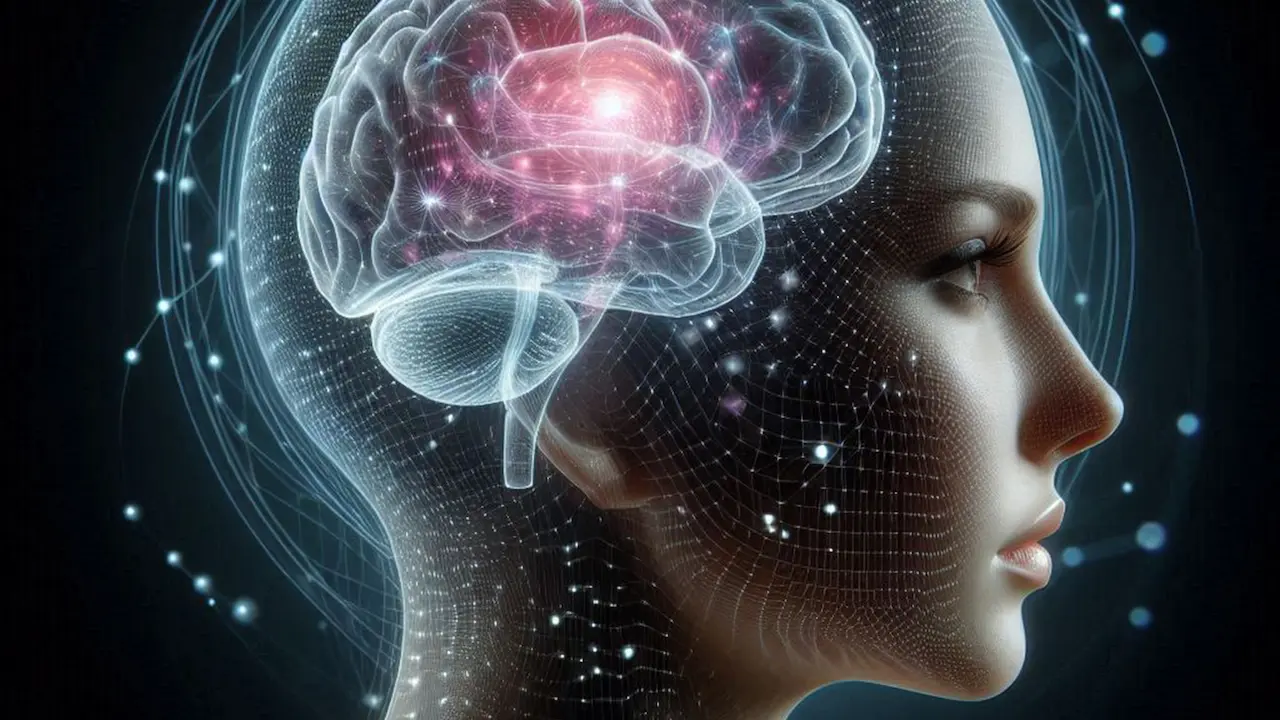
Beyond the light, there is Narrative Transport. This is the psychological state of being “lost” in a story. When a show ends on a cliffhanger, your brain experiences the Zeigarnik Effect, a phenomenon where the mind remains in a state of high tension until a task (or story) is completed. This keeps your Prefrontal Cortex active, preventing the “brain-quieting” necessary for Stage 1 sleep.
Evidence Strength: Well-established that light suppresses melatonin; moderate evidence that suspenseful media specifically elevates evening cortisol and heart rate compared to neutral content.
What This Means for You
We have all experienced the “Netflix Hangover.” It starts with a simple thought: “I just need to unwind after a stressful day.” But as the episode plays, you find yourself more awake than you were ten minutes ago. You finish the show, turn off the TV, and lay in the dark—only to find your mind replaying the plot or worrying about tomorrow.
This happens because you’ve traded physiological rest for emotional distraction. While the show helped you forget the day’s stress, it replaced it with a different kind of “clean” stress—the excitement of the plot. Your body is physically tired, but your brain thinks it’s in the middle of a significant event that requires focus.
The Logic of Late-Night Viewing
| Person Type | What to consider | Why it’s supported by evidence |
| The Binge-Watcher | The “Auto-Play” Disable. | Removing the default “next” choice restores executive control to the prefrontal cortex. |
| The Thriller Fan | The “Low-Stakes” Swap. | High-suspense content triggers the sympathetic nervous system (fight or flight). |
| The “Background” Viewer | Audio-only or Sleep Timers. | Eliminates blue light while still providing the “comfort” of familiar voices. |
The One-Episode Protocol: 1-2-3
You don’t have to give up your favorite shows, but you do need to manage the “landing” after the episode ends.
- The 30-Minute Buffer: Ensure the episode ends at least 30 minutes before your head hits the pillow. Use this time for “low-light” activities like brushing your teeth or tidying up.
- Filter and Distance: Watch on a TV across the room rather than a tablet or phone held close to your face. The “Inverse Square Law” of light means the further away the screen, the less intense the blue light impact on your eyes.
- Choose “Dim” Content: Avoid high-contrast, fast-cutting, or hyper-violent shows after 9:00 PM. Sitcoms or documentaries with a consistent color palette and steady pacing are less disruptive to the nervous system.
How to Start
- If you’re busy: Set a “Sleep Timer” on your TV so it shuts off automatically, preventing you from falling asleep to a bright, flickering screen.
- If you’re serious: Commit to “No Cliffhangers” after a certain hour. If an episode ends on a tense note, read two pages of a boring book to “reset” your narrative brain.
- If you’re a beginner: Simply turn the “Backlight” or “Brightness” setting on your TV down to 50% for evening viewing.
[Related: Nervous System Basics]
Pros & Cons of Late-Night TV
Pros:
- Can provide a much-needed mental break from personal stressors.
- Provides a sense of social connection or “shared culture.”
- Lower effort than other forms of evening relaxation (like exercise or heavy reading).
Cons:
- Delayed Sleep Onset: Takes longer to fall asleep once the TV is off.
- Fragmented Sleep: Melatonin suppression can lead to more frequent wake-ups during the night.
- Dopamine Dependence: Makes “quiet” rest feel boring or uncomfortable by comparison.
FAQ
Is it better to watch on a phone or a TV?
The TV is better. It is further from your eyes, meaning less light intensity reaches your retina, and it is less likely to involve “interactive” scrolling which keeps the brain alert.
Can I use the “Night Mode” on my TV?
Yes, if your TV has a “Warm” or “Blue Light Filter” setting, use it. It won’t stop the narrative excitement, but it will reduce the hormonal disruption.
Final Takeaway
Watching a late-night episode of Netflix affects your body clock by combining blue light exposure with psychological arousal. The light tells your brain it is daytime, while the story keeps your nervous system in a state of “readiness.” To protect your sleep, prioritize watching further from the screen, choosing lower-intensity content, and always allowing for a 30-minute “no-screen” transition before bed.
References
- Exelmans, L., & Van den Bulck, J. (2017). Binge viewing, sleep, and the role of pre-sleep arousal. Journal of Clinical Sleep Medicine.
- Harvard Health. (2020). Blue light has a dark side.
- Cajochen, C., et al. (2011). Evening exposure to a light-emitting diodes (LED)-backlit computer screen affects circadian physiology and cognitive performance. Journal of Applied Physiology.