
Vital Summary
- The Root Cause: A psychological response to a lack of daytime autonomy, often driven by high-stress environments.
- The Brain’s Role: A conflict between the prefrontal cortex (self-control) and the limbic system (immediate reward).
- The Biological Cost: Chronic sleep debt that disrupts cortisol regulation and weakens emotional resilience.
- The Solution: Shifting from “willpower” to “restorative transitions” that satisfy the brain’s need for freedom.
Quick Answer
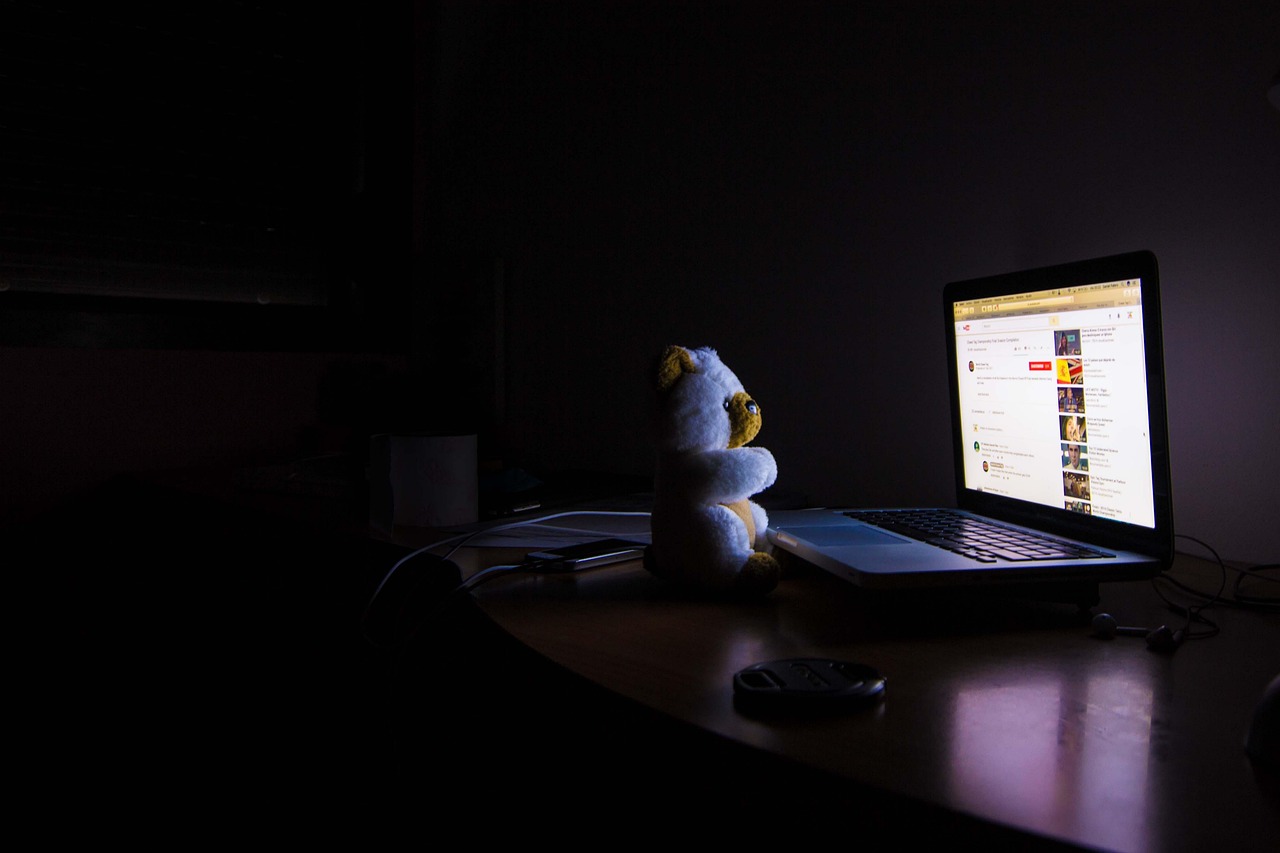
Revenge bedtime procrastination is the decision to delay sleep in response to a lack of free time during the day. Scientifically, it is a failure of self-regulation where the brain seeks immediate hit of dopamine to compensate for daytime stress. This creates a cycle where late-night “freedom” leads to next-day exhaustion, further reducing the self-control needed to go to bed on time.
The Science of the “Revenge” Loop
While it might feel like a simple bad habit, staying up late despite being exhausted is a complex neurological tug-of-war. Research identifies this primarily as a self-regulation failure.
At the heart of this loop is the Prefrontal Cortex, the area of the brain responsible for executive functions like decision-making and impulse control. After a long day of making professional decisions, suppressing frustrations, or managing a tight schedule, this part of the brain experiences “ego depletion.” Essentially, your mental battery for “doing the right thing” is drained.
Meanwhile, the Limbic System—the brain’s ancient reward center—demands a payoff for the day’s hardships. This creates a phenomenon known as Affective Forecasting Error, where we overestimate how much happiness a 2:00 AM scroll through social media will give us, and underestimate how miserable we will feel at 7:00 AM.

Key Biological Factors
- Cortisol Rhythm: Stressful days can lead to elevated evening cortisol. While cortisol should drop to allow melatonin to rise, a high-pressure lifestyle keeps the body in a state of “tired but wired,” making the bed feel like a place of confinement rather than rest.
- The Dopamine Search: When we feel we have no “life” during the day, the brain searches for “micro-rewards.” This is why we choose mindless activities (like streaming or scrolling) over sleep; these activities provide a low-effort dopamine spike that the brain interprets as “freedom.”
Evidence Strength: Well-established in behavioral psychology; emerging research in neurobiology specifically linking daytime “autonomy deficits” to nighttime sleep delay (Frontiers in Psychology, 2014).
What This Means for You
You know the feeling: the house is finally quiet, the laptop is closed, and for the first time in 14 hours, nobody wants anything from you. Even though your eyes are burning and you know tomorrow starts early, the thought of ending the day feels like losing the only part of the day that actually belongs to you.
You aren’t being “lazy” or “undisciplined.” You are likely starving for a sense of agency. When your daylight hours are owned by a boss, a family, or a demanding schedule, the night becomes the only territory you can reclaim. Staying up is a quiet act of rebellion against a life that feels out of your control.
The Logic of the Night
| Person Type | What to consider | Why it’s supported by evidence |
| The Overwhelmed Parent | Scheduled “Transition” windows. | Predictability reduces the “survival” mode of the limbic system. |
| The High-Stakes Pro | Cognitive offloading (journaling). | Reduces “Zeigarnik Effect” (unfinished tasks keeping the brain alert). |
| The Student/Creative | Low-dopamine leisure (analog). | Prevents blue-light suppression of melatonin and rapid-fire dopamine loops. |
Reclaiming Your Evening: A 1-2-3 Protocol
Breaking the loop isn’t about “trying harder” to sleep; it’s about lowering the stakes of the day so the night doesn’t have to carry the burden of your happiness.
- The “Golden Hour” Shift: Move your “revenge” time earlier. If you usually start your free time at 10 PM, try to aggressively clear your schedule to start at 9 PM.
- The Low-Stimulus Swap: Replace high-dopamine activities (scrolling, gaming) with medium-dopamine activities (reading a physical book, listening to music). This satisfies the need for “me time” without hijacking your brain’s sleep signals.
- The Pre-Sleep Brain Dump: Spend five minutes writing down everything you need to do tomorrow. This “closes the tabs” in your prefrontal cortex, making it easier for the brain to transition into sleep mode.
How to Start
- If you’re busy: Set a “Phone Bedtime” 30 minutes before your actual bedtime. Put it in another room.
- If you’re serious: Audit your daytime schedule. Identify one hour where you can say “no” to a task to reclaim autonomy during the sunlit hours.
- If you’re a beginner: Don’t try to go to bed earlier yet. Just try to do one “analog” thing (like stretching or a hot shower) in the 20 minutes before you sleep.
Pros & Cons of the “Revenge” Habit
Pros:
- Provides a temporary sense of psychological agency and freedom.
- Offers a quiet space for reflection without external demands.
Cons:
- Circadian Disruption: Shifts your internal clock, making mornings increasingly difficult.
- Reduced Emotional Regulation: Lack of REM sleep makes you more reactive to stress the next day, fueling the need for more “revenge” the following night.
- Cognitive Decline: Prolonged sleep debt affects memory and focus.
FAQ
Is bedtime procrastination a mental health disorder?
No, it is a behavioral pattern. However, it is often a symptom of chronic stress, burnout, or ADHD, where executive function is already strained.
Why do I do this even when I’m physically exhausted?
Because your brain prizes psychological recovery (feeling in control) over physical recovery (sleep) in moments of high stress.
Final Takeaway
Revenge bedtime procrastination is a self-regulation struggle where we sacrifice sleep to reclaim a sense of personal freedom after a stressful day. It happens because our “self-control” battery is drained by evening, leading the brain to prioritize immediate rewards over long-term health. To break the cycle, focus on building “micro-autonomy” during the day and transitioning to low-stimulation rest at night.
References
- Kroese, F. M., et al. (2014). Bedtime procrastination: A self-regulation perspective on sleep insufficiency in the general population. Frontiers in Psychology.
- Exelmans, L., & Van den Bulck, J. (2018). “Glued to the tube”: The interplay between self-control, TV viewing, and bedtime procrastination. Communication Research.
- Harvard Health Publishing. (2021). Understanding the stress response and its impact on sleep cycles.