Vital Summary
- The Dopamine Trap: Late-night scrolling triggers dopamine, which masks exhaustion and keeps the brain in an “alert” state.
- Circadian Disruption: Blue light suppresses melatonin, the hormone needed to signal to your body that it is safe to rest.
- The Anxiety Loop: A tired brain is less capable of regulating emotions, making morning worries feel more intense and harder to manage.
- Simple Correction: Shifting your light exposure can help reset your nervous system and lower baseline stress levels within days.
Quick Answer
Blue light from screens suppresses melatonin production and stimulates the melanopsin-containing retinal ganglion cells in the eye. This signals the brain’s master clock to stay awake, while the interactive nature of digital content triggers dopamine releases. Together, these factors create a state of “hyperarousal” that prevents the nervous system from entering a restorative parasympathetic state, leading to increased physical and mental anxiety symptoms the following day.
The Science Behind the Loop
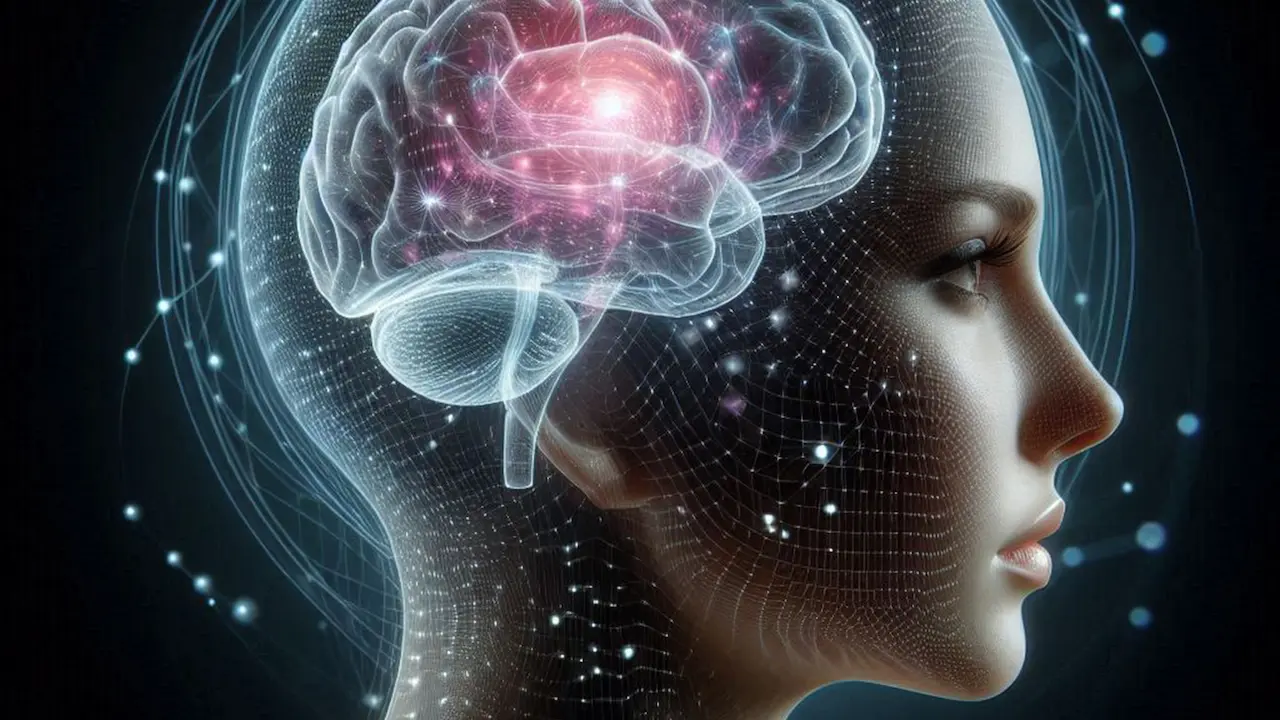
The relationship between our screens and our stress levels is rooted in how the human brain interprets light as a biological command. When we look at a phone or laptop after dark, we are sending a specific signal to the Suprachiasmatic Nucleus (SCN)—the brain’s internal timekeeper—that the sun has not yet set.
1. Melatonin Suppression
Research from Harvard Medical School has consistently shown that blue light (short-wavelength light) is more effective at suppressing melatonin than any other wavelength. Melatonin is not just a sleep aid; it is a signal to the entire body to begin “powering down” processes like heart rate and cortisol production. When melatonin is suppressed, cortisol—the body’s primary stress hormone—remains elevated longer than it should.
2. The Dopamine-Cortisol Connection
Digital interaction—social media, news, or even checking emails—triggers the release of Dopamine, the brain’s reward chemical. While dopamine feels good in the moment, it creates a “seeking” behavior that keeps the prefrontal cortex active. When you finally put the phone down, your brain is over-stimulated but your body is exhausted. This gap between mental alertness and physical fatigue is often experienced as a “wired but tired” feeling, which the brain frequently misinterprets as anxiety.
3. Emotional Regulation
A study published in the journal Nature suggests that disruption of the circadian rhythm is directly linked to increased emotional lability. Essentially, when we disrupt our sleep-wake cycle with blue light, the Amygdala (the brain’s fear center) becomes hyper-reactive. This is why a small problem in the morning can feel like a catastrophe after a night of late-screen use.
What This Means for You
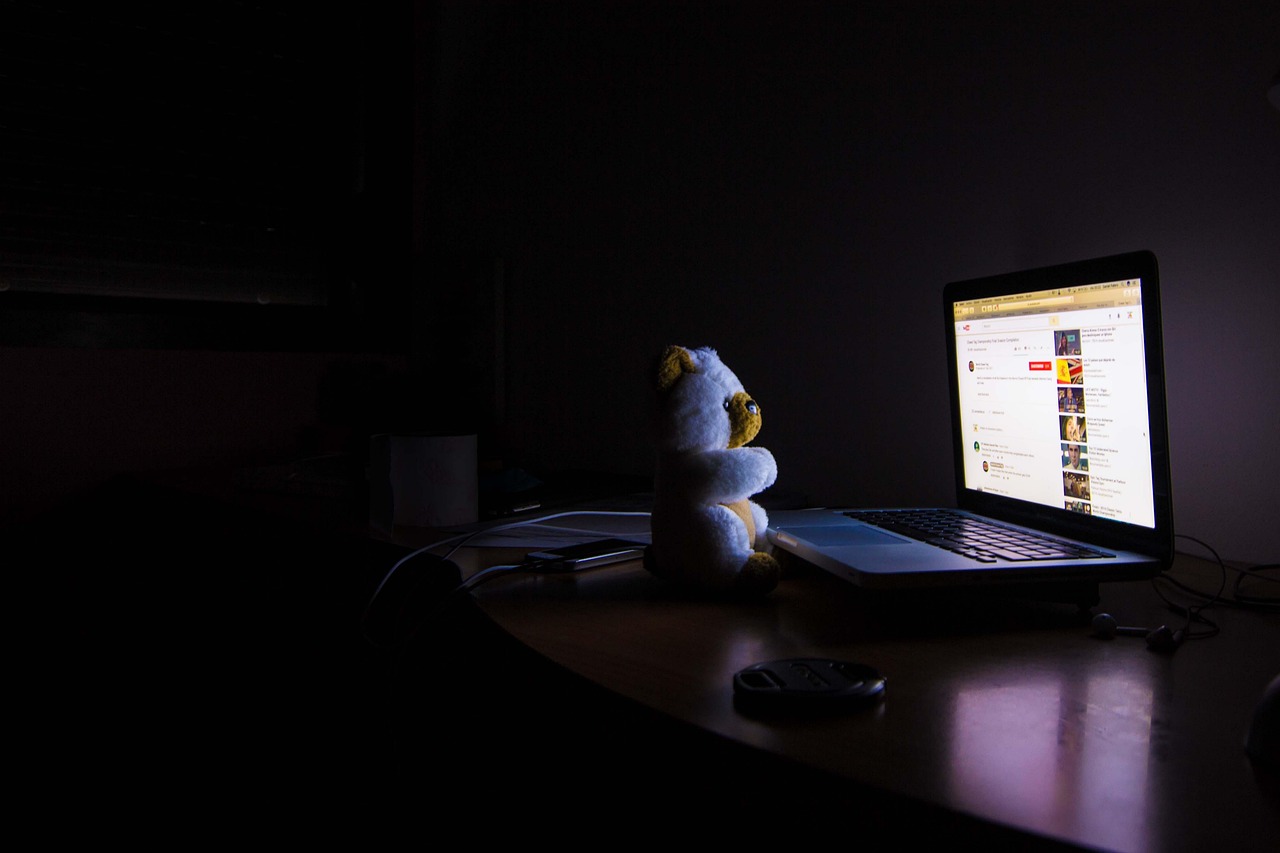
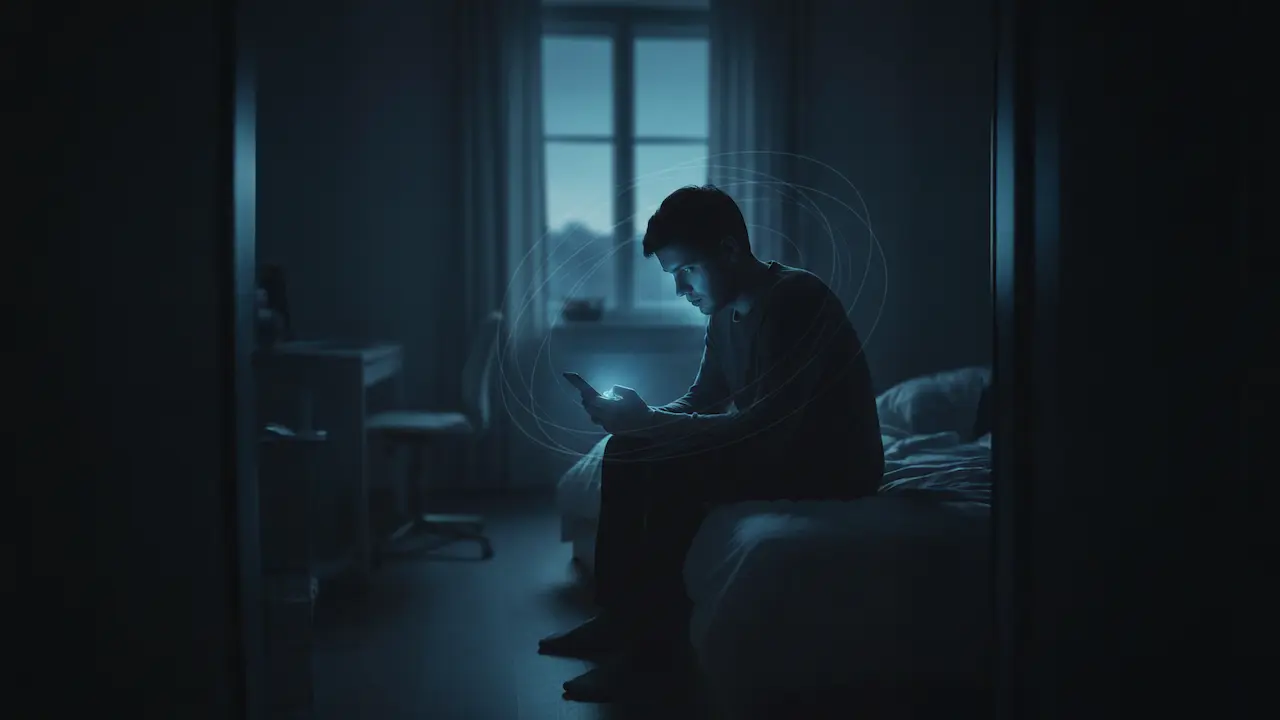
In real life, this doesn’t usually feel like “light physics.” It feels like lying in bed at 11:30 PM, scrolling through a feed you don’t even particularly care about, feeling a strange buzzing energy in your chest. You might tell yourself you are “winding down,” but your thumb keeps moving, and your mind keeps racing.
You know that feeling when you finally turn off the screen, and the darkness of the room suddenly feels heavy? Your mind, which was just sprinting through a dozen different topics, is suddenly left in a vacuum. Without the digital distraction, the underlying exhaustion hits, but your heart is still beating a bit too fast for you to actually drift off. This is the moment where the “loop” tightens—you feel anxious because you can’t sleep, so you reach for the phone again to distract yourself, restarting the cycle.
Understanding Your Response to Nighttime Light
| Person Type | What to consider | Why it’s supported by evidence |
| The Busy Professional | The “Urgency Bias” created by late-night pings. | Cortisol spikes from work emails override the natural evening dip in blood pressure. |
| The Serious Student | The impact of blue light on memory consolidation. | Research shows that “blue light” alertness interferes with REM sleep, where learning is processed. |
| The Beginner | The “Revenge Bedtime Procrastination” habit. | When we lack control over our day, we use screens to reclaim “freedom” at night, sacrificing nervous system health. |
The 1-2-3 Action Plan to Break the Loop
- The “Sunset Transition”: Two hours before bed, dim the overhead lights in your home. Use lamps with warm, amber-toned bulbs to signal the brain that the day is ending.
- The Charging Station Rule: Charge your phone in a different room. This removes the “frictionless” access to dopamine during the night.
- The Analog Bridge: Replace the final 20 minutes of screen time with a low-stimulation activity, such as reading a physical book or practicing a gentle stretching routine.
[Related: Sleep & Stress Guide]
How to start based on your lifestyle:
- If you’re busy: Enable “Night Shift” or “Blue Light Filter” on all devices to automatically trigger at 7:00 PM. It’s not a perfect fix, but it reduces the intensity of the signal.
- If you’re serious: Invest in a dedicated alarm clock and commit to a “No-Screen Bedroom” policy for seven consecutive days to allow your melatonin cycles to recalibrate.
- If you’re a beginner: Start by putting your phone away just 10 minutes before you intend to sleep. Gradually increase this gap as your body becomes used to the quiet.
Pros and Cons of Digital Boundaries
Pros:
- Lower Morning Anxiety: You wake up with a more stable nervous system.
- Improved Focus: Better REM sleep leads to higher cognitive function the next day.
- Emotional Resilience: A well-rested amygdala is less likely to trigger a “fight or flight” response to minor stressors.
Cons:
- Social Friction: You may miss late-night messages or feel “out of the loop.”
- Initial Discomfort: The first few nights without a screen can feel boring or restless as your brain looks for its dopamine fix.
- Consistency Required: Circadian rhythms are sensitive; one late-night “binge” can disrupt the cycle for several days.
[Related: Nervous System Basics]
FAQ
Can’t I just wear blue-light blocking glasses?
While they can help reduce some strain, they do not stop the “psychological” blue light—the dopamine hit from the content itself. Blocking the light is only half the battle; calming the mind is the other.
Why does my anxiety feel worse in the morning after using my phone late?
This is likely due to “Sleep Fragmentation.” Blue light prevents you from entering deep sleep stages, meaning your brain hasn’t properly cleared out metabolic waste or regulated stress hormones by the time you wake up.
Final Takeaway
The “Blue Light-Anxiety Loop” is a biological reaction to an artificial environment. By exposing our eyes to daylight-spectrum light late at night, we inadvertently keep our “stress” systems active when they should be resting. Breaking this cycle involves reducing blue light exposure, managing the dopamine-seeking habits of late-night scrolling, and allowing the body’s natural melatonin production to take over. Most people find that their baseline anxiety levels significantly drop simply by creating a clear “digital sunset” before sleep.