Vital Summary
- Layered Protection: No single action is perfect; combine hand hygiene, air quality, and physical distancing for the best results.
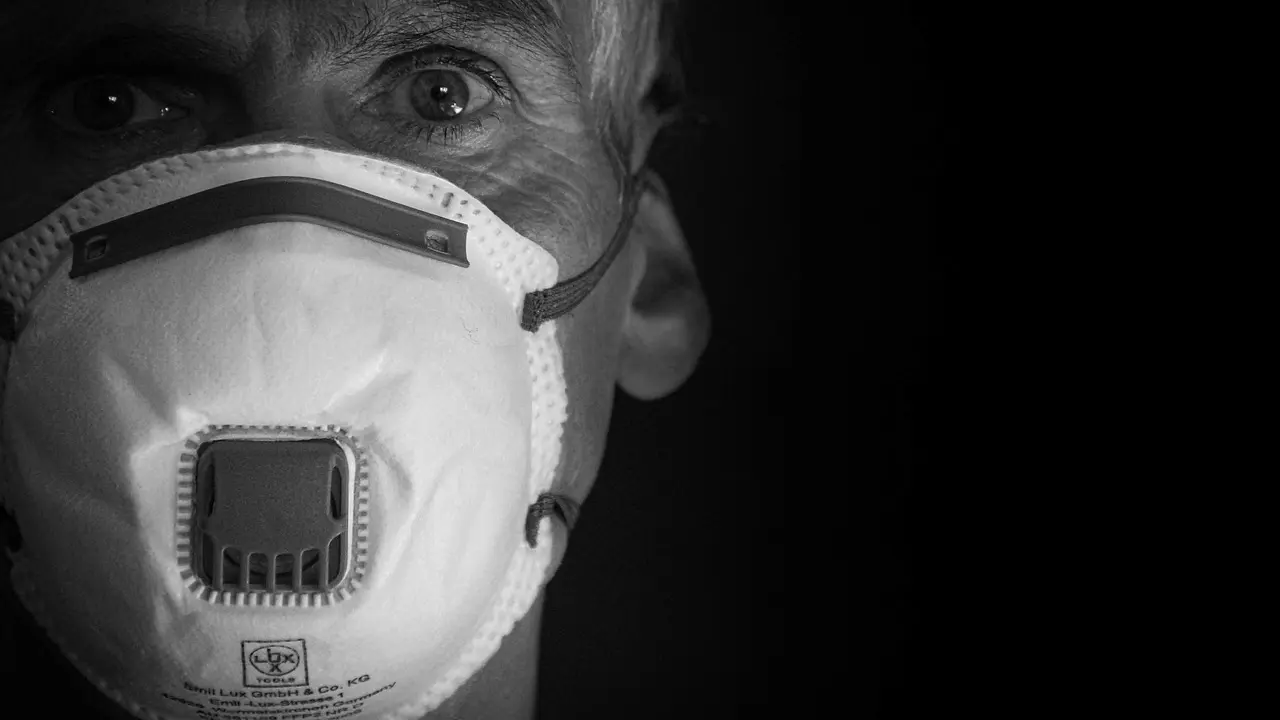
- Focus on Air: Most respiratory viruses spread through the air, making ventilation and high-quality masks more effective than obsessive surface scrubbing.
- Immune Basics: Support your body’s natural defenses through consistent sleep and hydration rather than relying on unproven “booster” supplements.
- Calm Precision: Consistent, small habits are more effective than high-stress, short-term panics.
The Science Behind This
When a virus outbreak occurs, the most effective defense is understanding how the pathogen moves. Most respiratory viruses—including influenza and various coronaviruses—primarily travel through respiratory droplets and aerosols.
According to research published in The Lancet, aerosols are tiny particles that can remain suspended in the air for minutes or even hours in poorly ventilated spaces (Greenhalgh et al., 2021). This is why “indoor air quality” has become a central pillar of modern safety. While “fomite” transmission (touching a contaminated surface and then your face) is possible, it is often a secondary pathway compared to breathing in shared air.
Another critical concept is Viral Load. This refers to the amount of virus you are exposed to. Science suggests that brief, distanced encounters carry significantly less risk than prolonged interactions in enclosed spaces. By wearing a mask or opening a window, you are essentially reducing the “dose” of the virus your system has to encounter, giving your immune system a better chance to manage the threat.
Finally, the mechanical action of handwashing remains a gold standard. Soap molecules are “amphiphilic,” meaning they have a head that loves water and a tail that loves fat. Many viruses are encased in a fatty (lipid) layer; soap physically pulls this layer apart, effectively deactivating the virus (World Health Organization, 2020).
Key Research Sources:
- The Lancet: Ten reasons in support of airborne transmission of SARS-CoV-2
- Journal of Hospital Infection: The role of environmental cleaning
- Nature: How ventilation stops the spread
What This Means for You
In the face of an outbreak, it is easy to feel overwhelmed by the “noise” of constant news. However, the science points to a few high-impact areas where your effort actually yields results.
Instead of spending hours disinfecting groceries—which research shows has a very low ROI (Return on Investment) for safety—your energy is better spent ensuring your home or workspace has a cross-breeze. It means that “safe” isn’t an all-or-nothing state; it is a series of layers. If you are in a crowded store, you wear a mask. If you are outdoors, you can relax that layer.
This approach replaces fear with a logical checklist. It shifts the focus from “Will I get sick?” to “How can I reduce my exposure today?” This subtle shift in mindset reduces cortisol (the stress hormone), which ironically helps your immune system stay more resilient.
Comparison Table: Visual Logic
| Person Type | What to consider | Why it’s supported by evidence |
| The Busy Professional | High-quality masks (N95/FFP2) and portable HEPA filters. | Reduces viral load quickly in shared offices where you can’t control the windows. |
| The Serious Protector | Layered defense: Vaccination, CO2 monitoring, and strict hand hygiene. | Combines biological readiness with environmental control for maximum risk reduction. |
| The Beginner | Basic handwashing, staying home when feeling “off,” and simple distancing. | Foundational habits that stop the most common transmission routes with zero cost. |
Simple Action Plan (1–2–3)
- Clear the Air: If you are meeting someone indoors, open two windows to create a cross-breeze. If you are in a public space, choose the area with the highest ceilings or best airflow.
- The 20-Second Rule: Use soap and water specifically after being in public spaces or before eating. Focus on the backs of hands and under the fingernails.
- Monitor Your “Body Budget”: Prioritize seven to eight hours of sleep. A sleep-deprived immune system is significantly less effective at identifying and neutralizing viral threats.
If you’re busy:
Keep a high-quality mask (N95 or KF94) in your car or bag at all times. Use it whenever you enter a crowded indoor space. This single “on-off” habit provides the highest level of protection for the least amount of daily effort.
If you’re serious:
Invest in a portable CO2 monitor. Carbon dioxide levels are a great proxy for “stale air.” If CO2 levels are high (above 800-1000 ppm), it means you are breathing in a lot of other people’s exhaled air, and it’s time to ventilate or leave the area.
If you’re beginner:
Focus exclusively on not touching your “T-zone” (eyes, nose, and mouth) while out in public. This simple habit, combined with washing your hands immediately upon returning home, cuts off the primary physical entry points for viruses.
Pros & Cons
Pros:
- Reduced Anxiety: Following a logical protocol provides a sense of agency and control.
- Broad Protection: These steps protect against the “target” virus as well as common colds and the seasonal flu.
- Sustainability: Unlike “panic-cleaning,” these habits can be maintained long-term without burnout.
Cons:
- Social Friction: Wearing a mask or asking to open a window can sometimes feel awkward in social settings.
- Variable Risk: No protocol is 100% effective; biology always carries a degree of unpredictability.
- Inconvenience: Carrying supplies or altering routines requires initial mental effort.
References
- CDC (2024). How to Protect Yourself and Others. https://www.cdc.gov/respiratory-viruses/prevention/index.html
- Greenhalgh, T., et al. (2021). Ten scientific reasons in support of airborne transmission of SARS-CoV-2. The Lancet. https://doi.org/10.1016/S0140-6736(21)00869-2
- World Health Organization (2020). Hand hygiene for all. https://www.who.int/campaigns/world-hand-hygiene-day
- Mayo Clinic (2025). Air Purifiers and Virus Protection. https://www.mayoclinic.org/diseases-conditions/coronavirus/in-depth/air-purifiers-and-covid-19/art-20510620