Sleep hygiene is a behavioral and environmental framework consisting of a set of practices designed to promote continuous, high-quality sleep. It is classified as a lifestyle intervention within the field of sleep medicine.
Originally developed in the late 1970s to assist patients with mild-to-moderate insomnia, sleep hygiene serves as a preventative and supportive system rather than a medical cure for physiological sleep disorders (such as sleep apnea). Its fundamental role is to align external behaviors and surroundings with the body’s internal biological needs, particularly the circadian rhythm and homeostatic sleep drive.
Mechanism of Action: How it Works
Sleep hygiene works by manipulating external variables to reduce “sleep interference” and optimize “sleep signals.” The process functions through several physiological pathways:
- Circadian Anchoring: By maintaining a consistent sleep-wake schedule, the brain’s suprachiasmatic nucleus (the internal clock) can more accurately time the release of melatonin, the hormone that signals darkness and sleep.
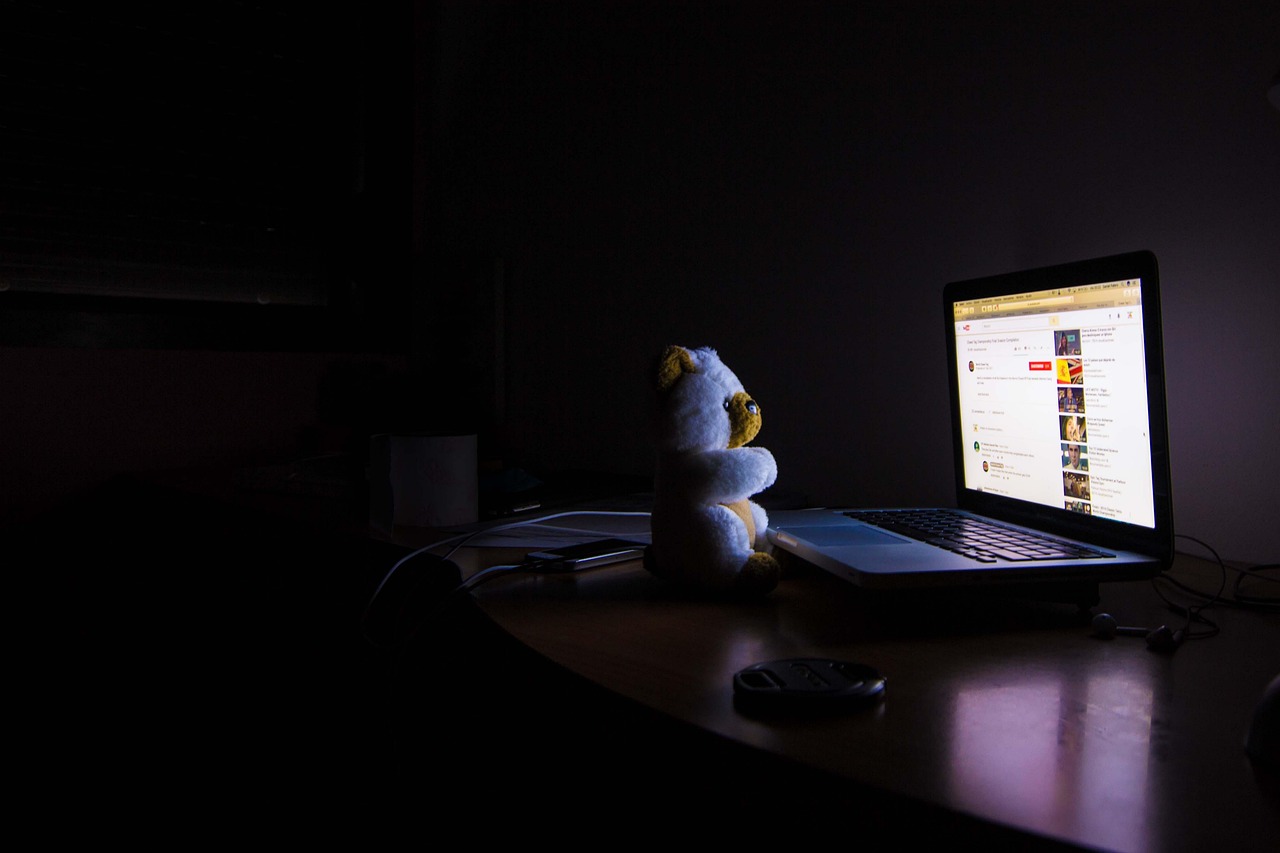
- Melatonin Protection: Limiting light exposure (especially blue light from screens) in the evening prevents the suppression of melatonin, allowing the body to transition naturally into a state of sleepiness.
- Core Temperature Regulation: Environmental hygiene, such as keeping a room cool (approximately 18°C or 65°F), supports the body’s natural drop in core temperature required for deep sleep stages.
- Adenosine Management: Managing the intake of stimulants like caffeine, which blocks adenosine receptors (the chemicals that build up during the day to create “sleep pressure”), ensures that the brain can feel the natural urge to sleep at the correct time.
- Stimulus Control: Restricting bed use to only sleep and intimacy creates a psychological association between the environment and rest, reducing the cognitive “alertness” often triggered by working or eating in bed.
Historical / Development Context
The term was coined by psychologist Peter Hauri in 1977. During this period, sleep research was shifting from purely observing brain waves in labs to understanding how daily habits impacted sleep at home. Scientists realized that many cases of poor sleep were “learned” through poor habits. Over time, while more intensive therapies like Cognitive Behavioral Therapy for Insomnia (CBT-I) have become the gold standard for chronic issues, sleep hygiene remains the foundational “first-line” education for public health.
Observed Data & Documented Findings
Clinical observations and public health data have established several key findings regarding these habits:
- Consistency: Large-scale observational studies show that individuals with irregular sleep schedules report higher levels of daytime fatigue and lower cognitive performance than those with consistent routines.
- Substance Impact: Research published in the Journal of Clinical Sleep Medicine confirms that caffeine consumed even six hours before bedtime can reduce total sleep time by more than one hour.
- Environment: Clinical trials have demonstrated that noise levels above 35 decibels (dB) can increase the frequency of “micro-arousals,” preventing the sleeper from reaching or maintaining deep, restorative sleep.
The Two-Sided View — Balance Table
| Potential Benefits (as reported in studies) | Reported Side Effects / Risks |
| Increased Sleep Latency: Users typically fall asleep faster when a wind-down routine is followed. | Orthosomnia: An obsessive focus on “perfect” sleep habits can lead to anxiety, which further delays sleep. |
| Improved Sleep Architecture: Fewer interruptions lead to more stable cycles of REM and Deep sleep. | Social Restriction: Strict adherence to sleep timing can interfere with social or professional evening commitments. |
| Sustainable & Low Cost: Requires no expensive medication or specialized medical equipment. | Insufficient for Disorders: Relying solely on hygiene can delay the diagnosis of serious conditions like sleep apnea or restless leg syndrome. |
What We Know vs. What We Don’t Know
What science is confident about:
- A cool, dark, and quiet environment is the most conducive setting for human sleep.
- Caffeine and nicotine are powerful stimulants that biologically oppose the initiation of sleep.
- Screen light in the evening shifts the circadian rhythm, making it harder to wake up the next morning.
What is still debated or unclear:
- The “perfect” number of hours for a wind-down routine (suggestions range from 30 to 120 minutes).
- Whether weekend “catch-up sleep” effectively offsets the damage of poor hygiene during the week.
- The exact impact of late-night exercise, as some individuals show higher resilience to evening physical activity than others.
References
About Sleep Hygiene — CDC (Centers for Disease Control and Prevention)
https://www.cdc.gov/sleep/about/index.html
Healthy Sleep Habits — American Academy of Sleep Medicine (AASM)
https://sleepeducation.org/healthy-sleep/healthy-sleep-habits
Sleep Hygiene: Simple Practices for Better Rest — Harvard Health
https://www.health.harvard.edu/staying-healthy/sleep-hygiene-simple-practices-for-better-rest