Why Your Phone Feels Like Coffee to Your Brain
Vital Summary
- The Digital Espresso: Scrolling your phone triggers a rapid release of dopamine, mimicking the “alertness spike” of caffeine.
- The Blue Light Signal: Short-wavelength blue light suppresses melatonin, sending a “wake up” command directly to your master clock.
- The Cortisol Loop: Constant notifications keep your brain in a state of “anticipatory stress,” similar to the jittery high of too much coffee.
- The Sleep Debt: Like a late-afternoon latte, evening phone use delays your deep sleep cycles, making you feel more tired the next day.
The Science Behind This
While coffee works through the chemical adenosine, your phone works through a combination of neurochemistry and photobiology. To your brain, a glowing screen is an intense signal of both reward and daylight.
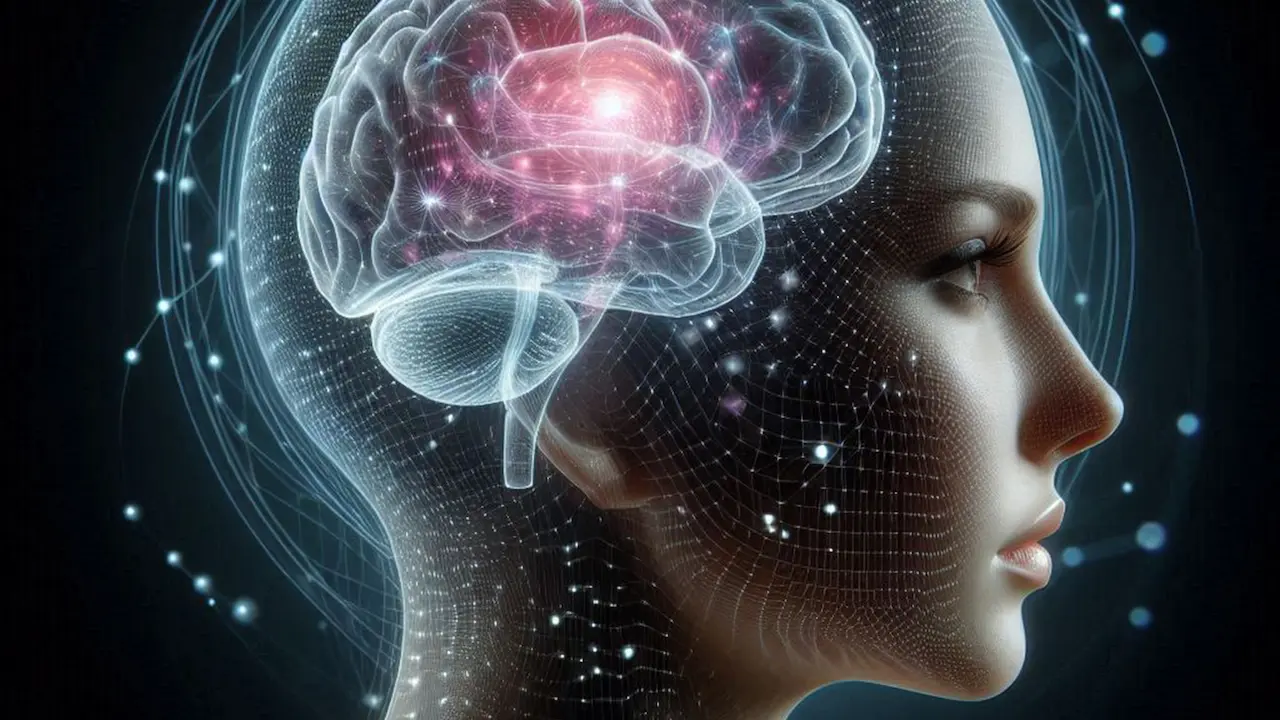
- Dopamine and Variable Rewards: Every time you pull-to-refresh or see a notification, your brain’s reward system releases dopamine. This is the same neurotransmitter triggered by stimulants. It creates a “seeking” behavior that keeps you alert and wired, looking for the next hit of information.
- Melatonin Suppression: Your eyes contain “Melanopsin” cells that are sensitive to blue light. Research from Harvard Medical School indicates that blue light suppresses melatonin for about twice as long as green light and shifts circadian rhythms by twice as much. This is why a 5-minute “check” can turn into two hours of wide-awake scrolling.
- The Amygdala Hijack: Smartphones provide a constant stream of “micro-stressors” (news, work emails, social comparison). This activates the amygdala, triggering a mild “fight or flight” response. This elevates your heart rate and cortisol levels, providing a fake sense of energy that is actually physiological stress.
Key Citations:
- He, J., et al. (2020). The effect of smartphone use on cortisol and sleep quality. Frontiers in Psychiatry.
- Satchin Panda (2018). The Circadian Code.
- Harvard Medical School: Blue light has a dark side.
What This Means for You
Using your phone to “wind down” is a biological contradiction. It is like trying to relax by sipping a double-shot espresso.
When you stare at a screen, your brain interprets the brightness as “high noon” and the social interactions as “active engagement.” This prevents the brain from entering the alpha wave state necessary for relaxation. Even if you fall asleep shortly after putting the phone down, the “chemical caffeine” from the blue light and dopamine prevents you from reaching the restorative Stage 3 Deep Sleep, leaving you with a “digital hangover” the next morning.
Comparison Table (Visual Logic)
| Person Type | What to consider | Why it’s supported by evidence |
| If you’re busy | Gray-scale Mode | Removing color makes the “dopamine reward” less stimulating for the brain. |
| If you’re serious | The “Digital Sunset” | Stopping screen use 60 mins before bed allows melatonin to rise naturally. |
| If you’re a beginner | Night Shift/Blue Filters | Reducing blue light intensity lessens the “wake up” signal to the brain. |
Simple Action Plan (1–2–3)
- The Gray-Scale Switch: Change your phone settings to black and white in the evenings. This kills the “eye candy” effect that triggers dopamine.
- The Charging Station: Charge your phone in a room other than the bedroom. If the “coffee” isn’t on your nightstand, you won’t drink it at 2 AM.
- The Analog Alternative: Replace the phone with a physical book or a journal for the last 30 minutes of the day to lower your cortisol baseline.
If you’re busy:
Turn on “Night Shift” or “Blue Light Filter” on your devices to run automatically from sunset to sunrise. It’s not a perfect fix, but it lowers the “dosage” of the digital caffeine.
If you’re serious:
Commit to a “No Screens in the Bedroom” policy for 7 days. Track how long it takes you to fall asleep; most people find they drop off 20–30 minutes faster when the “digital coffee” is removed.
If you’re a beginner:
Simply stop “infinite scrolling” apps (TikTok, Instagram, News) after 9 PM. These are the most stimulating because they offer the highest frequency of dopamine hits.
Pros & Cons
Pros of reducing “Digital Caffeine”:
- Significant increase in morning alertness.
- Reduced eye strain and “tech headaches.”
- Better emotional regulation due to improved deep sleep.
Cons/Caveats:
- The Boredom Barrier: Your brain may feel restless or “itchy” for the first few nights as it detoxes from the constant dopamine supply.
- Accessibility: It can be difficult for those in “on-call” professions or with family emergencies to fully disconnect.