
Vital Summary
- The Internal Clock: Your circadian rhythm is a 24-hour internal cycle managed by a master clock in your brain called the SCN.
- Beyond Sleep: It regulates almost every biological function, including hormone release, body temperature, and digestion.
- Light as Information: The rhythm relies on external cues, primarily sunlight, to keep your internal “time” synced with the outside world.
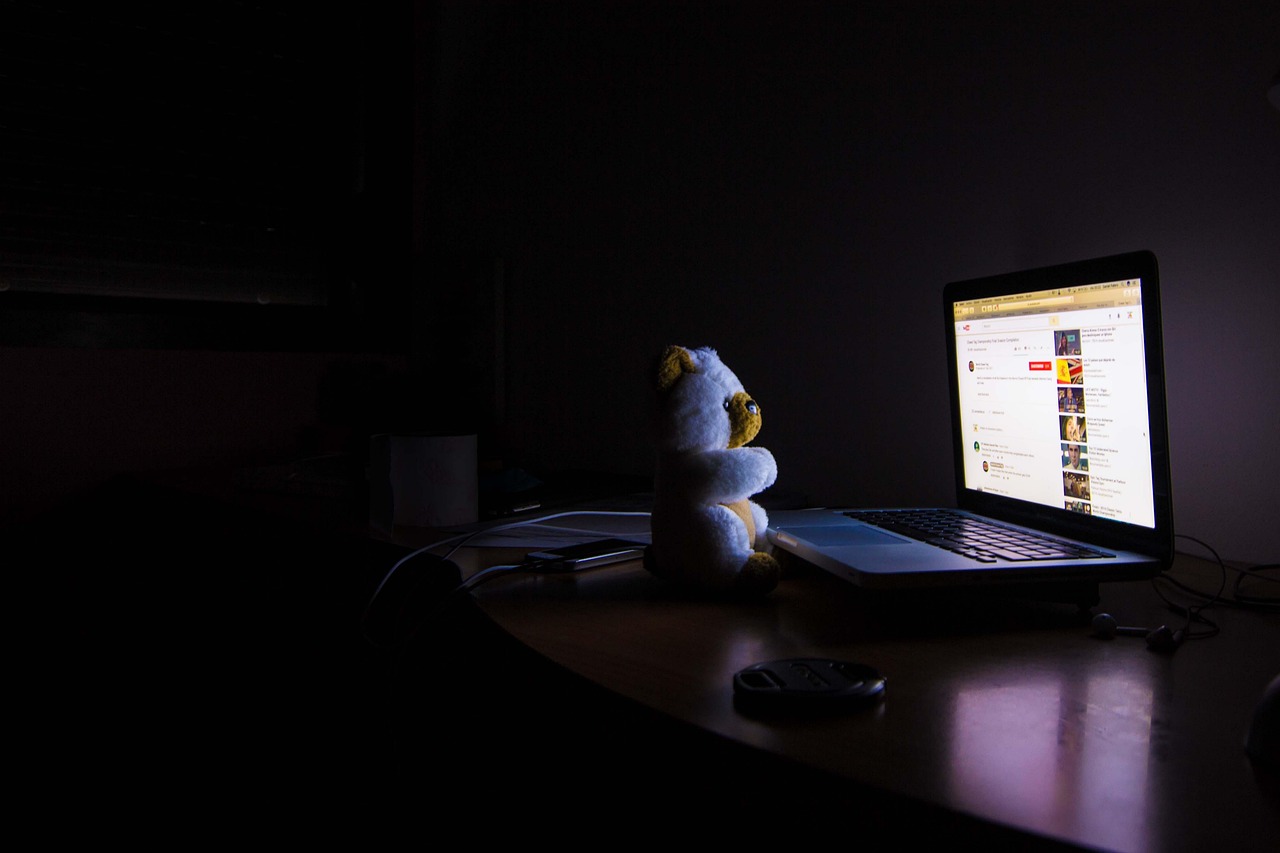
- Modern Mismatch: Our modern environment (blue light at night, indoor days) creates “social jetlag,” leading to brain fog and metabolic issues.
The Science Behind This
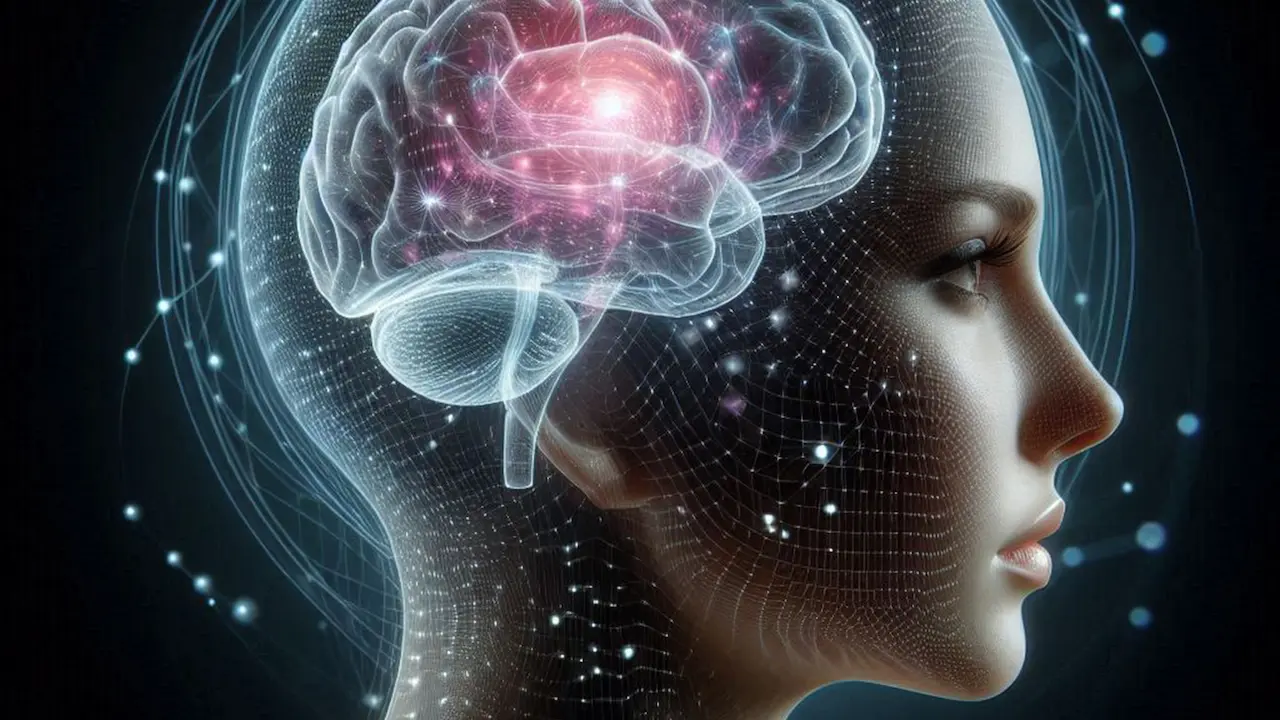
At the core of your biology sits a master pacemaker known as the Suprachiasmatic Nucleus (SCN), located in the hypothalamus. This tiny region contains about 20,000 neurons that coordinate the timing of your entire body.
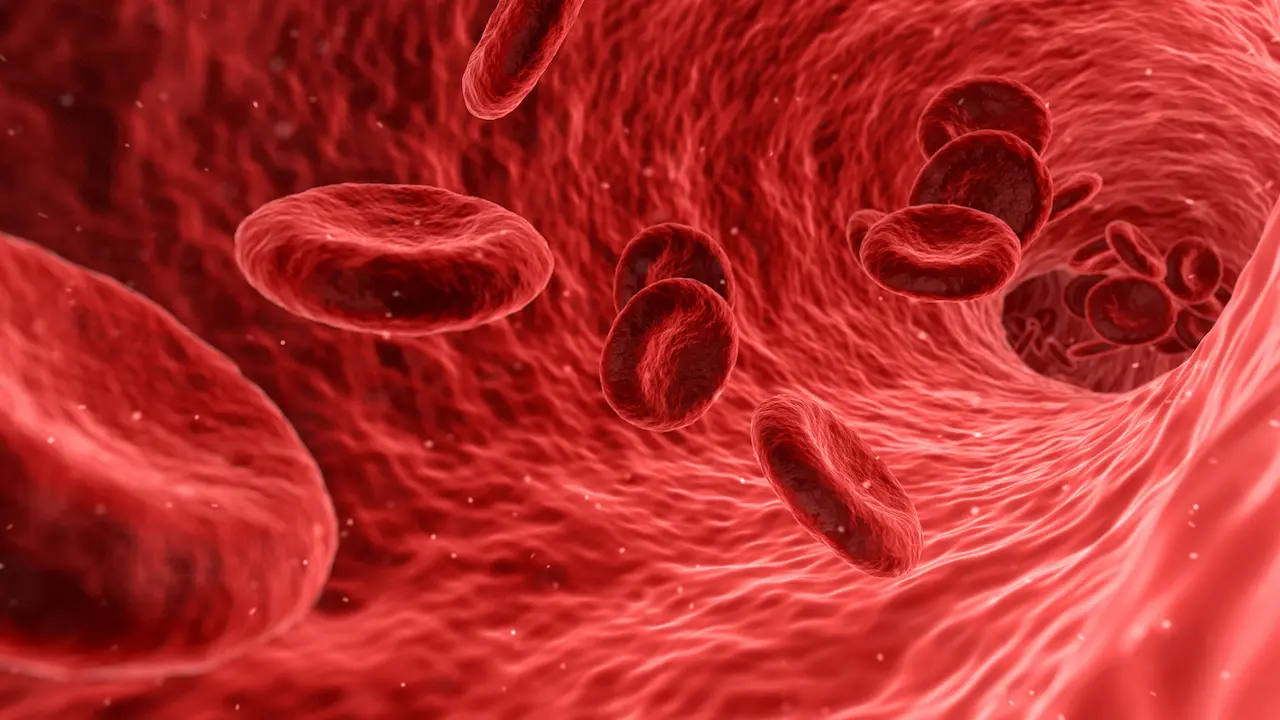
- Molecular Clockwork: Every cell in your body has its own “clock genes” (Period and Cryptochrome). These genes produce proteins that build up and degrade in a near-perfect 24-hour loop. This process dictates when your liver processes fat, when your heart rate peaks, and when your brain flushes out toxins.
- The Light Pathway: When light enters your eyes, it hits specialized cells called ipRGCs. These cells aren’t for “seeing” images; they are for detecting brightness. They send a direct signal to the SCN, which then suppresses melatonin (the sleep hormone) and triggers cortisol (the alertness hormone).
- The “Master-Slave” System: While the SCN is the master clock, your organs have “peripheral clocks.” For example, your gut has a clock triggered by food. If you eat at 2 AM, your gut clock gets out of sync with your brain clock, causing metabolic friction.
Key Citations:
- Vitaterna, M. H., et al. (2001). Overview of Circadian Rhythms. National Institute on Alcohol Abuse and Alcoholism.
- Satchin Panda (2018). The Circadian Code: Lose Weight, Supercharge Your Energy, and Transform Your Health.
- Harvard Medical School: Blue light has a dark side.
What This Means for You
Your circadian rhythm isn’t just a “suggestion”—it is the operating system for your health. When your internal clock is aligned, you feel sharp, your digestion is smooth, and you recover quickly from stress.
When it is “broken” or desynchronized (due to shift work, late-night scrolling, or irregular eating), you experience more than just tiredness. Long-term circadian disruption is linked to increased risks of obesity, Type 2 diabetes, and depression. Your body effectively loses the ability to “predict” what it needs to do next, leading to a state of constant physiological confusion.
Comparison Table (Visual Logic)
| Person Type | What to consider | Why it’s supported by evidence |
| If you’re busy | The “View Early Light” Rule | 5-10 mins of morning sun sets the melatonin timer for 16 hours later. |
| If you’re serious | Time-Restricted Feeding | Eating only during daylight hours aligns your gut clock with your brain clock. |
| If you’re a beginner | Sunset Screen Dims | Reducing blue light after 8 PM prevents the SCN from thinking it’s still daytime. |
Simple Action Plan (1–2–3)
- The Morning Anchor: Within 30 minutes of waking, go outside. Even on a cloudy day, the lux (brightness) of the sky is significantly higher than indoor lighting and is necessary to “set” your clock.
- The Caffeine Cutoff: Stop caffeine intake by 12 PM or 2 PM. Caffeine blocks adenosine receptors, which masks your true circadian signal and delays your natural “wind-down” phase.
- The Darkness Bridge: Dim your house lights two hours before bed. Use warm-toned lamps rather than overhead LED lights to signal to the SCN that the day is ending.
If you’re busy:
Get your morning sunlight through an open window or during a quick 5-minute walk to your car. It is the single highest-leverage activity for fixing your energy levels.
If you’re serious:
Implement a “Circadian Eating” window. Try to eat all your meals within a 10-hour window (e.g., 8 AM to 6 PM). This allows your liver and metabolic systems to rest and repair overnight.
If you’re a beginner:
Simply stop using your phone in bed. The blue light from the screen 6 inches from your face is interpreted by your brain as “high noon,” which can delay sleep by up to two hours.
Pros & Cons
Pros of Living Circadian-Aligned:
- Deeper, more restorative sleep.
- Improved mood and emotional stability.
- More efficient metabolism and easier weight management.
Cons/Caveats:
- Social Constraints: Modern life (parties, late work, travel) often conflicts with biological needs.
- Seasonal Changes: It is harder to maintain this rhythm in winter months or in extreme latitudes where daylight is scarce.
References
Nobel Prize 2017: Discoveries of Molecular Mechanisms Controlling the Circadian Rhythm
The Salk Institute: Satchin Panda on Circadian Rhythms
National Sleep Foundation: What is Circadian Rhythm?
l