Vital Summary
- The Cortisol Spike: Checking emails immediately upon waking triggers a premature “stress response” that overshoots your natural morning cortisol peak.
- The Nervous System “Loop”: Morning micro-stressors set a high “baseline” for your sympathetic nervous system, making it harder to switch to “rest and digest” mode at night.
- Deep Sleep Interruption: When your brain perceives “threats” (unfinished tasks) early, it struggles to enter Stage 3 (Deep) sleep, where physical recovery occurs.
- The 16-Hour Lag: The chemical signals sent to your brain at 7 AM dictate the strength of your melatonin release at 11 PM.
The Science Behind This
Most people believe that sleep quality is determined by what happens right before bed. However, your circadian biology operates on a long-arc timer. The moment you open your eyes, your brain begins a countdown to sleep.
- The Cortisol Awakening Response (CAR): Naturally, your body spikes cortisol (the alertness hormone) about 30–45 minutes after waking to help you face the day. When you check emails immediately, you introduce “micro-stressors”—small, urgent pings of anxiety. Research shows this can cause an exaggerated CAR, which keeps your system in a state of hyper-vigilance all day.
- The Sympathetic High-Ground: By starting your day in a “reactive” state, you keep the sympathetic nervous system (fight or flight) dominant. Studies in Psychoneuroendocrinology suggest that if the body doesn’t “de-escalate” from this state early in the day, it fails to sufficiently activate the parasympathetic nervous system (rest and digest) 16 hours later.
- Melatonin Suppression: Stress hormones and sleep hormones live on a seesaw. High morning stress—and the blue light from the screen used to read those emails—can delay the timing of your evening melatonin pulse. This doesn’t just make it harder to fall asleep; it specifically reduces the duration of Slow Wave Sleep (SWS), also known as Deep Sleep.
Key Citations:
- Adam, E. K., et al. (2017). Cortisol awakening response and subsequent-day sleep. Psychoneuroendocrinology.
- Stanford Medicine: The impact of early-morning blue light and digital stress on circadian rhythms.
- Journal of Sleep Research: Relationship between daytime micro-stressors and nocturnal sleep architecture.
What This Means for You
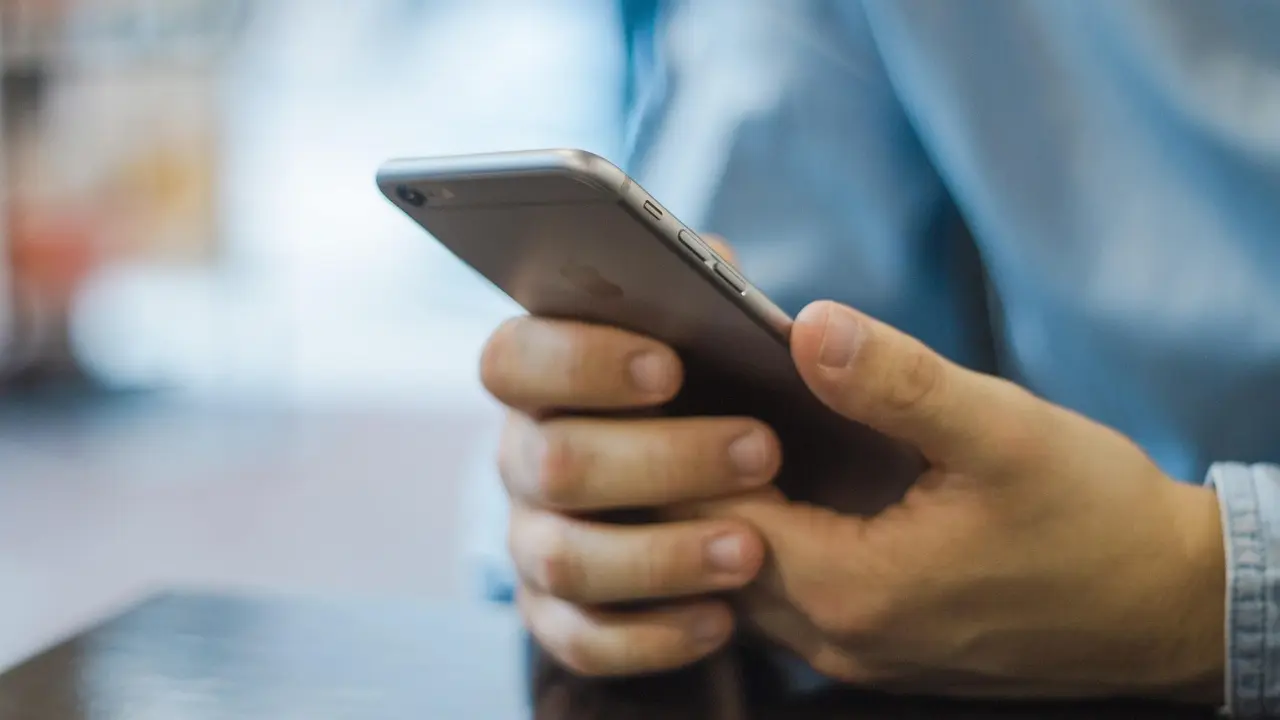
Checking your phone in bed feels productive, but it is actually a form of “borrowed energy” that you pay back with interest at night.
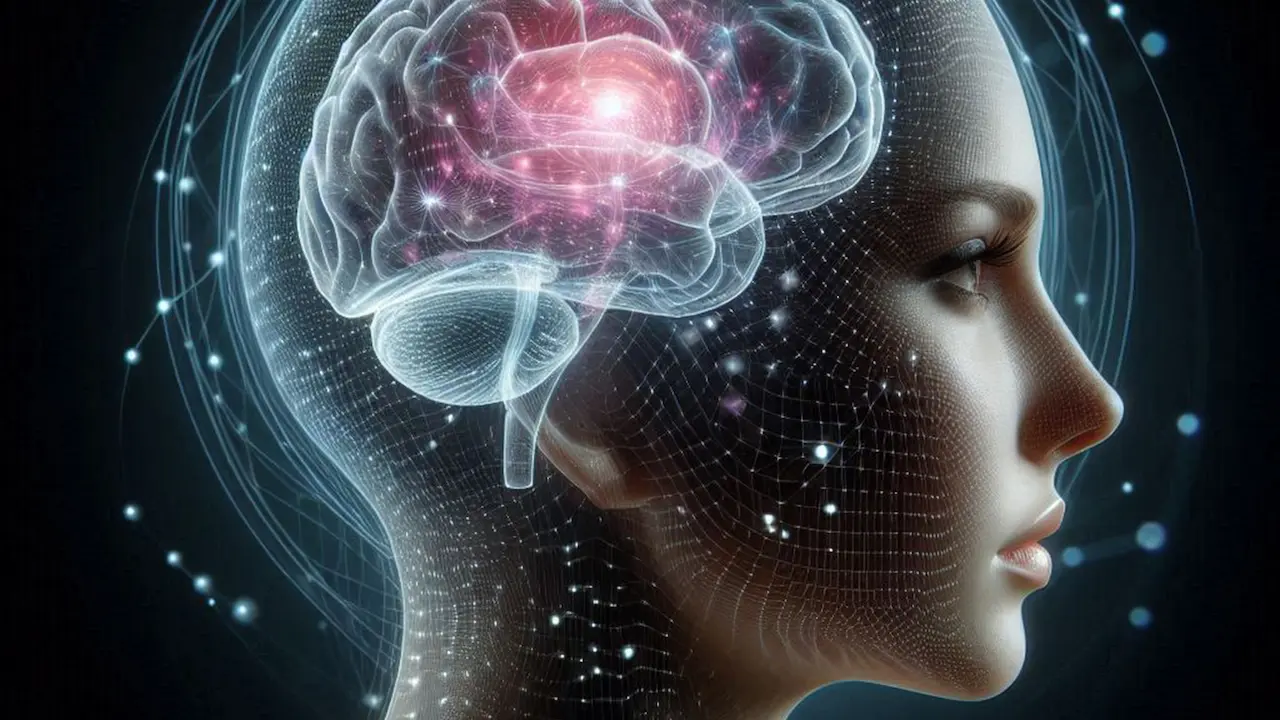
When you read a stressful email at 7:00 AM, your amygdala (the brain’s fear center) flags that task as an “open loop.” Even if you ignore the email for a few hours, your subconscious remains on high alert. By the time 11:00 PM rolls around, your brain is still scanning for those “threats,” preventing you from dropping into the deep, restorative sleep stages where your body repairs tissues and cleanses brain toxins.
Essentially, a stressful morning creates a “noisy” brain that refuses to go quiet when the lights go out.
Comparison Table (Visual Logic)
| Person Type | What to consider | Why it’s supported by evidence |
| If you’re busy | The “20-Minute Buffer” | Waiting just 20 mins to check tech allows your natural CAR to stabilize without external stress. |
| If you’re serious | The “Analog Hour” | Keeping the first hour tech-free prevents “reactive” neural pathways from forming for the day. |
| If you’re a beginner | The “Out of Reach” Rule | Placing the phone in another room overnight removes the temptation of the “first-thing” check. |
Simple Action Plan (1–2–3)
- The No-Phone Zone: Buy a basic analog alarm clock. Leave your phone in a kitchen drawer or a separate room overnight so it is not the first thing you touch.
- Hydrate and Light First: Drink a glass of water and look at natural light (out a window or outside) for 5–10 minutes before engaging with any digital device. Natural light anchors your circadian clock better than a screen.
- The “Batching” Mindset: Set a specific time for your first email check (e.g., after breakfast or once you arrive at your desk). This keeps you in a “proactive” rather than “reactive” state.
If you’re busy:
Delay your email check until you have finished your first cup of coffee or arrived at your workspace. Moving the “stress event” away from your pillow protects your brain’s association between the bed and safety.
If you’re serious:
Commit to a “90-Minute Tech Fast” every morning for one week. Use the time for movement, deep work, or family. Monitor your “Deep Sleep” scores on your wearable device; most users see a 10–15% increase in SWS within days.
If you’re a beginner:
Simply disable lock-screen notifications for your email app. This prevents you from seeing “The Stressor” even if you just pick up your phone to check the time or weather.
Pros & Cons
Pros of delaying morning emails:
- Significantly higher “Deep Sleep” quality 16 hours later.
- Reduced morning anxiety and lower baseline heart rate.
- Improved focus on high-priority tasks during the morning hours.
Cons/Caveats:
- Workplace Culture: Some “on-call” roles may find this difficult; in these cases, a “triage” approach (checking only for emergencies) is a balanced compromise.
- Initial Anxiety: You might feel “FOMO” (fear of missing out) for the first few days as your brain adjusts to not being stimulated immediately.
References
- Harvard Business Review: Why You Should Stop Checking Email First Thing in the Morning
- National Institute of Health: Stress and Sleep
- Nature: The Circadian Clock and Brain Health