Vital Summary
- The Brain Connection: Nipah virus can cross the blood-brain barrier, often causing severe inflammation (encephalitis).
- Early Warning Signs: Initial symptoms like fever and headache can quickly progress to confusion or drowsiness within 24 to 48 hours.
- The Power of Time: Early supportive care is currently the most effective way to manage the infection and improve survival rates.
- Long-term Recovery: About 20% of survivors may face ongoing neurological challenges, making early intervention and follow-up essential.
The Science Behind This
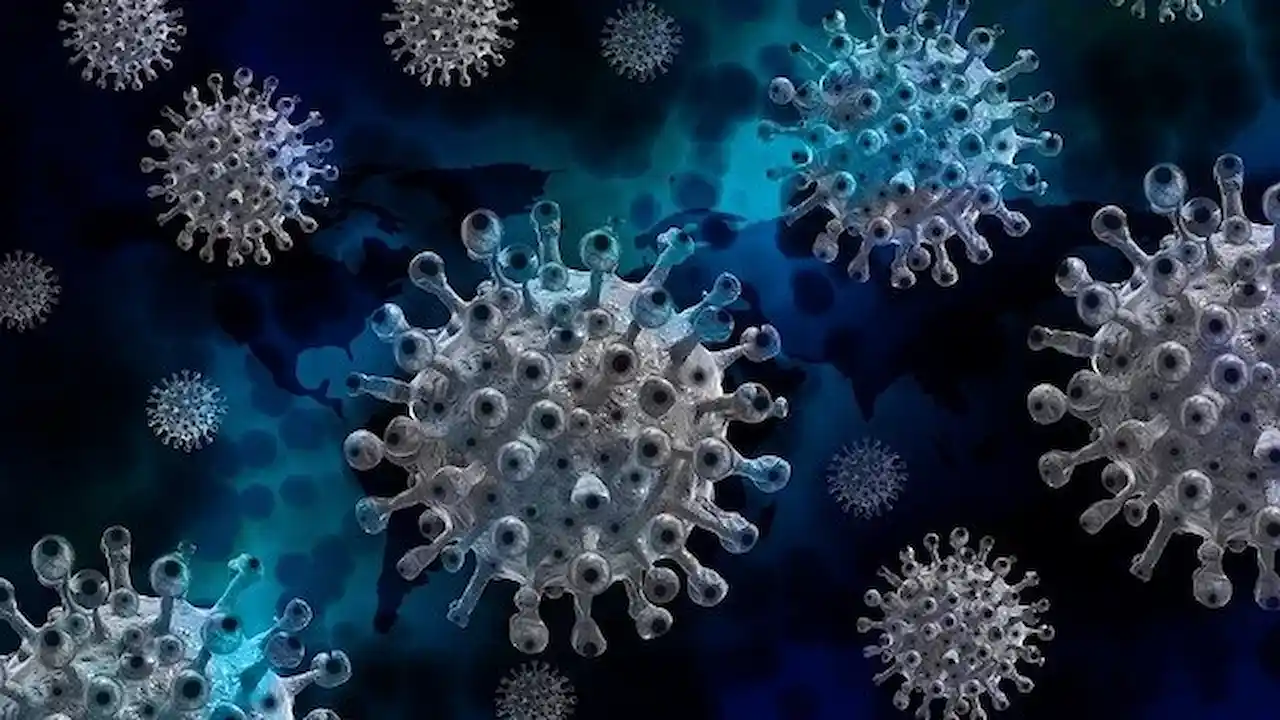
Nipah virus (NiV) is a zoonotic virus, meaning it jumps from animals (specifically fruit bats) to humans. While it often starts with respiratory symptoms, its most “neuro-invasive” trait is its ability to attack the Central Nervous System (CNS).
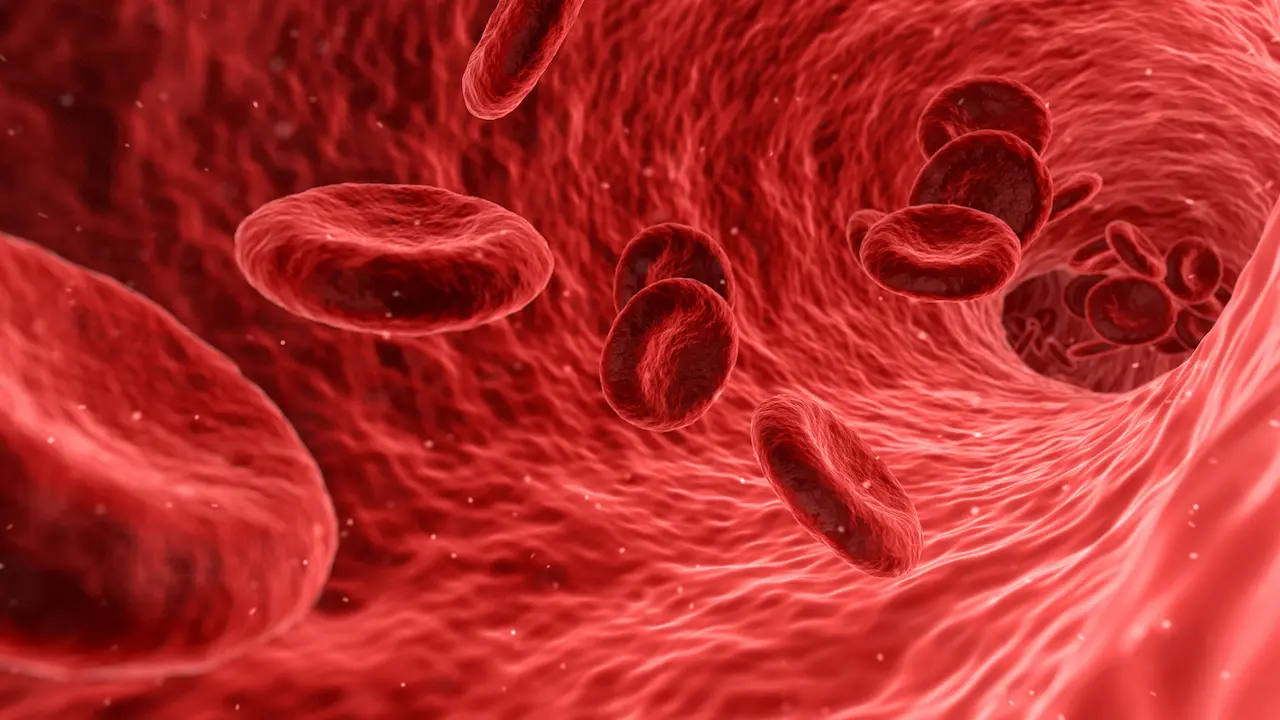
Research indicates that the virus enters the brain through two primary routes. First, it can travel through the olfactory nerve, which connects the nose directly to the brain. Second, it can infect the lining of blood vessels, causing inflammation that “leaks” the virus across the blood-brain barrier. Once inside, it targets neurons and glial cells, leading to significant swelling known as acute encephalitis.
Citations:
- World Health Organization (2026). Nipah virus fact sheet.
- Tyagi, S., et al. (2025). “Nipah virus: Preventing the next outbreak.” World Journal of Clinical Cases.
- Frontiers in Microbiology (2018). “Nipah Virus Infection and Transendothelial Migration.”
What This Means for You
For most people, the risk of Nipah is very low and geographically specific. However, understanding its “hit fast” nature is vital. Because the virus causes rapid brain swelling, the window for effective medical support is narrow.
When the brain swells, it struggles to regulate vital functions like breathing and heart rate. Early hospitalization allows doctors to provide supportive therapy—such as hydration, oxygen, and seizure medication—which keeps the body stable while the immune system fights the virus. Essentially, early care isn’t just about “curing” the virus; it’s about protecting the brain from the pressure of inflammation.
Comparison Table (Visual Logic)
| Person Type | What to consider | Why it’s supported by evidence |
| If you’re busy | Practice standard hygiene and avoid raw date palm sap in endemic areas. | Prevention is the most effective “time-saver” against high-risk pathogens. |
| If you’re serious | Seek immediate medical evaluation for any unexplained fever + confusion. | Evidence shows encephalitis can progress to a coma within 24–48 hours. |
| If you’re a beginner | Learn the basic symptoms: fever, headache, and respiratory distress. | Early detection is the primary factor in reducing the 40–75% fatality rate. |
Simple Action Plan (1–2–3)
- Identify: Recognize the “transition” symptoms—if a simple fever turns into extreme drowsiness or disorientation, seek help immediately.
- Isolate: If an infection is suspected, stay in a separate room to prevent human-to-human spread through respiratory droplets.
- Support: Focus on hydration and fever management while awaiting professional medical guidance.
If you’re busy:
Stick to the “clean hands, clean food” rule. Wash fruits thoroughly and avoid areas where bats are known to roost.
If you’re serious:
Keep a digital thermometer and a basic pulse oximeter at home. If you live in or travel to an endemic region, know the location of the nearest hospital with an isolation ward.
If you’re a beginner:
Read one credible fact sheet (like the WHO’s) to understand the difference between a common flu and the specific signs of neurological distress.
Pros & Cons
Pros:
- Increased global surveillance means outbreaks are caught faster than in 1998.
- Supportive care significantly improves the chances of survival compared to no treatment.
Cons:
- There is currently no licensed vaccine or specific “cure” for Nipah virus.
- Survivors may experience long-term fatigue or personality changes due to brain inflammation.
References
- World Health Organization. (2026). Nipah virus. https://www.who.int/news-room/fact-sheets/detail/nipah-virus
- Tyagi S, Upadhyay S, Bharara T, Sahai S. (2025). Nipah virus: Preventing the next outbreak. World J Clin Cases. https://www.wjgnet.com/2307-8960/full/v13/i11/99748.htm
- Cleveland Clinic. (2023). Nipah Virus: Causes, Symptoms, & Treatment. https://my.clevelandclinic.org/health/diseases/25085-nipah-virus