Vital Summary
- Systemic Impact: Measles is not just a “skin rash”; it is a full-body infection that specifically targets the lining of the lungs and the gut.
- Appetite Suppression: The body naturally shuts down hunger signals to redirect all energy toward fighting the virus and managing high fevers.
- Vitamin A Depletion: The virus rapidly consumes the body’s Vitamin A stores, which are essential for maintaining a healthy, leak-proof intestinal wall.
- Hydration First: Because the gut becomes sensitive and prone to diarrhea, replacing fluids is more critical than forcing solid meals during the peak of the illness.
The Science Behind This
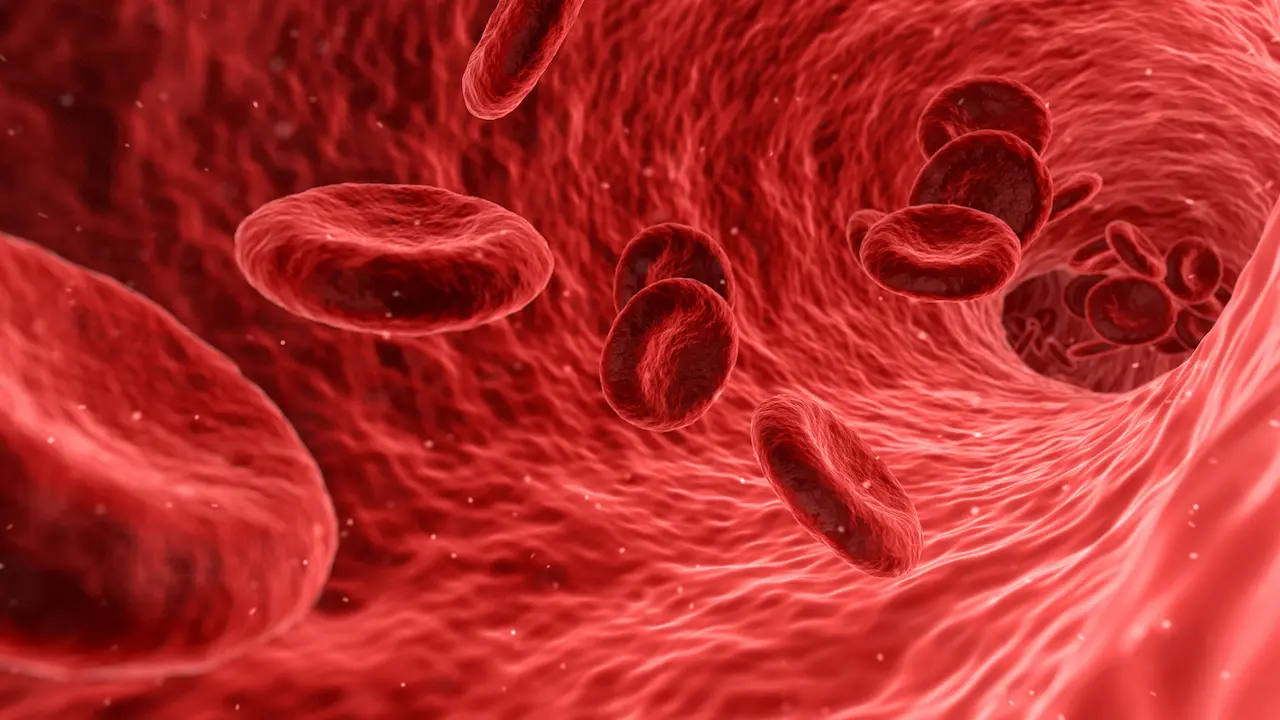
Measles (rubeola) is a systemic virus that enters through the respiratory tract but quickly migrates to the epithelial cells that line our internal organs, including the digestive tract.
Research highlights three primary ways the gut is affected:
- Direct Infection: The virus can infect the lymphoid tissues of the gut, causing inflammation and often leading to diarrhea—one of the most common complications of the disease.
- Immune Amnesia: A landmark study in Science found that measles can “erase” the immune system’s memory, making the gut more vulnerable to secondary bacterial infections that further suppress appetite.
- The Vitamin A Link: Measles is known to cause a “precipitous drop” in Vitamin A levels. Since Vitamin A is the primary nutrient responsible for the integrity of the gut lining, this deficiency makes the digestive system “leaky” and less efficient at absorbing nutrients.
Sources:
- The Lancet: Gastrointestinal complications of measles
- Science Journal: Measles virus erases immune memory
- World Health Organization (WHO): Measles Fact Sheet and Vitamin A Protocol
What This Means for You
When someone has measles, their lack of appetite is a biological signal that the digestive system is under repair. Forcing a person to eat heavy “recovery meals” can often backfire, leading to nausea or worsened diarrhea.
Because the virus damages the “barrier” of the gut, the body becomes temporarily less capable of handling complex proteins or high-fiber foods. Understanding this allows you to stop worrying about “calories” for a few days and focus instead on “repair nutrients” and hydration.
Comparison Table: Approaches to Recovery
| Person Type | What to do | Why it works |
| If you’re Busy | Use oral rehydration salts (ORS) and a standard multivitamin. | Provides the bare essentials (electrolytes and Vitamin A) to prevent the most common complications. |
| If you’re Serious | Use targeted Vitamin A therapy (under medical care) and a “clear liquid” diet. | High-dose Vitamin A is the global gold standard for reducing measles severity and protecting the gut lining. |
| If you’re a Beginner | Offer small sips of diluted fruit juice or broth every 30 minutes. | Gentle, consistent hydration is easier for a sensitive gut to process than large amounts of water at once. |
Simple Action Plan (1–2–3)
- Prioritize Fluids Over Food: Use a 50/50 mix of water and apple juice or a dedicated electrolyte drink. Aim for small, frequent sips.
- Support the Gut Lining: Speak to a healthcare provider about Vitamin A supplementation, as this is crucial for healing the damage the virus does to the intestinal walls.
- Introduce “Soft” Energy: As the fever breaks and appetite slowly returns, start with simple starches like white rice, bananas, or plain toast (the BRAT diet) to avoid overtaxing the gut.
If you’re busy:
Focus entirely on hydration. If the patient isn’t eating, ensure they are drinking electrolytes. A simple store-bought rehydration drink is your best tool.
If you’re serious:
Monitor the frequency of bowel movements. If diarrhea occurs, use a zinc supplement (often recommended alongside Vitamin A) to help the gut lining recover faster and reduce the duration of the illness.
If you’re a beginner:
Don’t panic if they refuse food for 48 hours. Focus on “comfort hydration”—warm broths or cool popsicles can be more appealing than water and provide a small amount of energy.
Pros & Cons
Pros:
- Energy Conservation: Allowing the appetite to stay low lets the body focus on the immune battle.
- Gut Protection: Proper Vitamin A use can significantly reduce the risk of long-term digestive issues after measles.
Cons:
- Weight Loss: Temporary weight loss is common and can be stressful for parents to witness.
- Recovery Lag: The gut may remain sensitive to dairy or spicy foods for several weeks after the rash disappears.