
Vital Summary
- Duration isn’t Depth: Sleeping for 8 hours doesn’t guarantee you’ve spent enough time in “restorative” sleep stages.
- The 3 AM Spike: Factors like late-night glucose drops or alcohol can fragment your sleep without you realizing it.
- Social Jetlag: Shifting your sleep schedule on weekends confuses your internal clock, leading to “sleep inertia.”
- Simple Fix: Consistency and light exposure often matter more than adding a ninth hour of sleep.
The Science Behind This
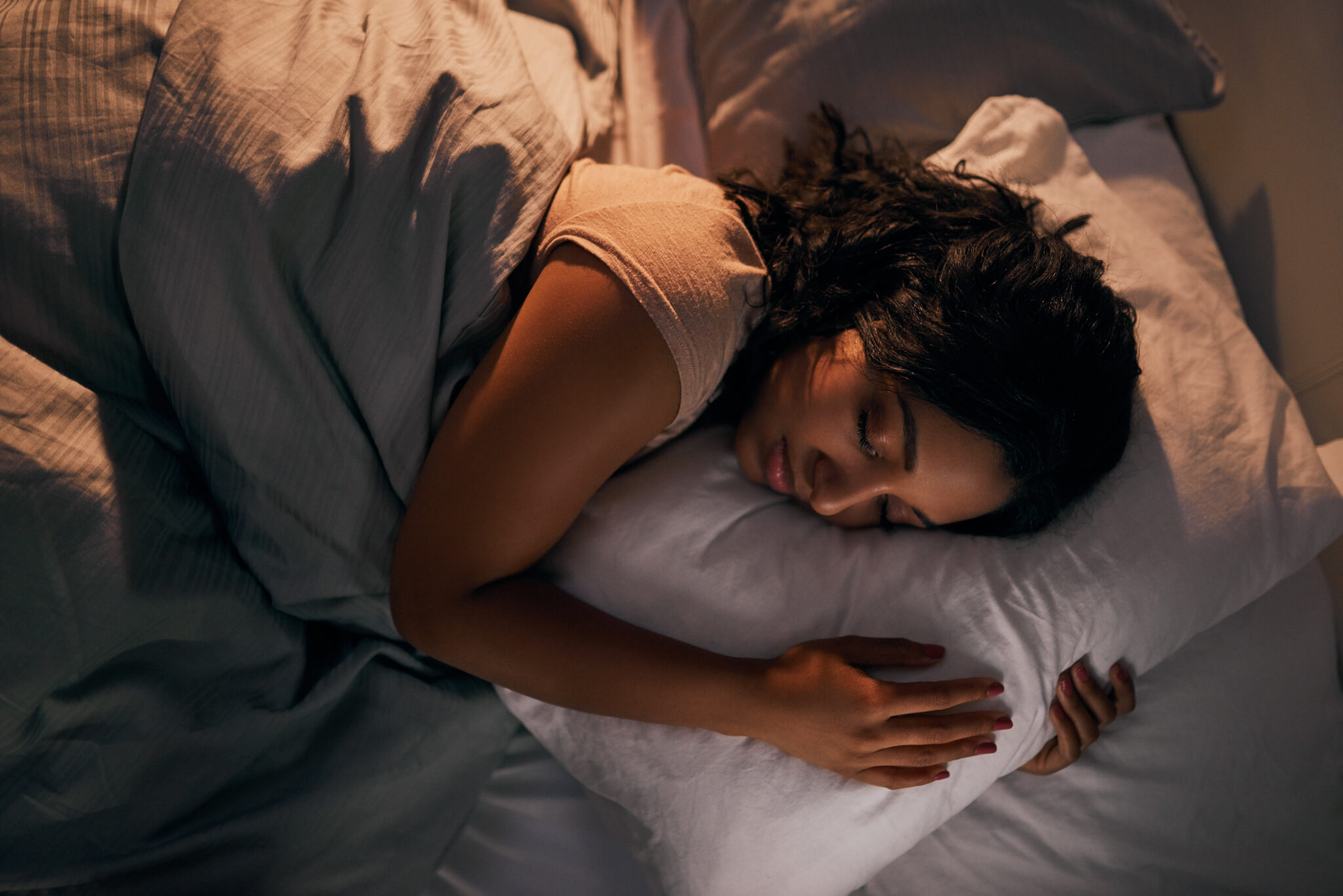
Total sleep time is often a “vanity metric.” Research shows that Sleep Architecture—the structure of light, deep, and REM sleep—determines how refreshed you feel. If your brain is frequently interrupted by micro-awakenings, you remain in Stage 1 or 2 sleep, missing the physical repair of Deep Sleep and the emotional processing of REM.
- Sleep Inertia: A study published in Nature suggests that waking up during a deep sleep cycle causes prolonged grogginess that can last for hours.
- Alcohol & REM: Research from the National Institute on Alcohol Abuse and Alcoholism shows that even one drink can delay the first REM episode, leading to a “rebound” effect that fragments the rest of the night.
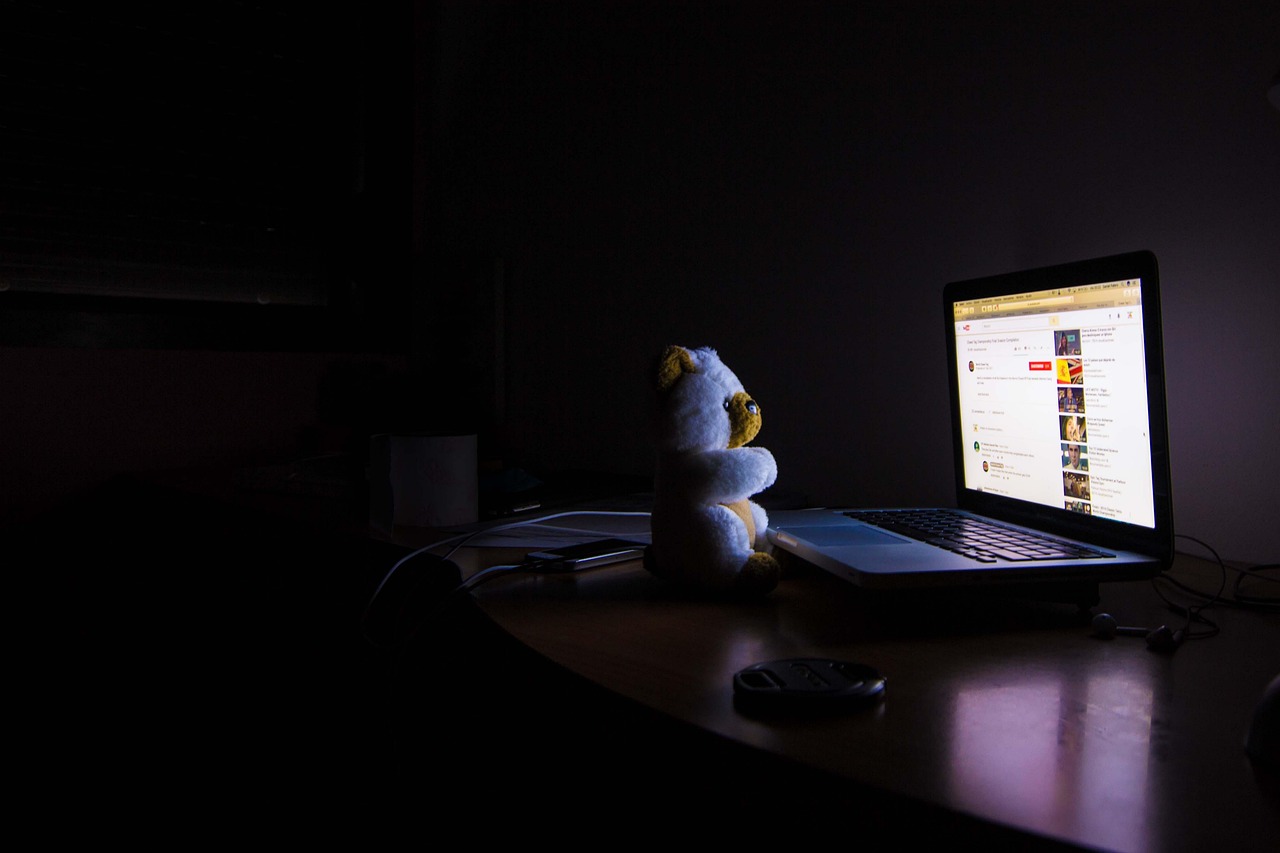
- Light & Melatonin: The Journal of Clinical Endocrinology & Metabolism notes that exposure to room light before bed suppresses melatonin, making sleep less efficient even if you stay in bed for 8 hours.
What This Means for You
Think of sleep like a car wash. If you drive through the wash (8 hours) but the water keeps cutting out or the brushes stop halfway (fragmentation), the car still comes out dirty.
If you feel exhausted despite hitting your “8-hour goal,” it usually means your Circadian Rhythm is misaligned or your Sleep Pressure hasn’t been properly managed. You aren’t “broken”; your environment is likely sending your brain mixed signals about whether it’s time to recover or stay alert.
Comparison Table (Visual Logic)
| Person Type | What to do | Why it works |
| The Busy Professional | View sunlight within 30 mins of waking. | Anchors your internal clock to start the “sleep countdown.” |
| The Serious Optimizer | Cut off caffeine by noon and screens 1 hour before bed. | Protects the “Deep Sleep” phase from chemical interference. |
| The Beginner | Go to bed at the same time every night. | Reduces “social jetlag” and stabilizes hormone release. |
Simple Action Plan (1–2–3)
- Seek Early Light: Get 5–10 minutes of natural outdoor light shortly after waking.
- Cool the Room: Lower your thermostat to roughly 18°C (65°F). Your core temperature must drop to initiate deep sleep.
- The “Caffeine Cutoff”: Stop all caffeine intake at least 8–10 hours before your intended bedtime.
If you’re busy:
Stick to a fixed wake-up time, even on weekends. This is the single most effective way to stabilize your energy without adding extra tasks to your day.
If you’re serious:
Invest in Blackout Curtains and remove all electronics from the bedroom. Use an analog alarm clock to avoid “scrolling” the moment you wake up.
If you’re a beginner:
Try the “10-3-2-1” Rule: No caffeine 10 hours before bed, no food 3 hours before, no work 2 hours before, and no screens 1 hour before.
Pros & Cons
Pros:
- Focusing on quality over quantity can lead to better focus during the day.
- Reduces reliance on stimulants like coffee.
- Improves long-term metabolic and heart health.
Cons:
- Requires discipline with evening routines.
- Social events (late dinners/drinks) can make consistency difficult.
- Initial adjustments to a new schedule may cause temporary fatigue.
References
- National Sleep Foundation. (2023). How Sleep Quality Impacts Daily Performance.
- Walker, M. (2017). Why We Sleep: Unlocking the Power of Sleep and Dreams.
- Harvard Medical School: Division of Sleep Medicine. (2024). External Factors that Influence Sleep.