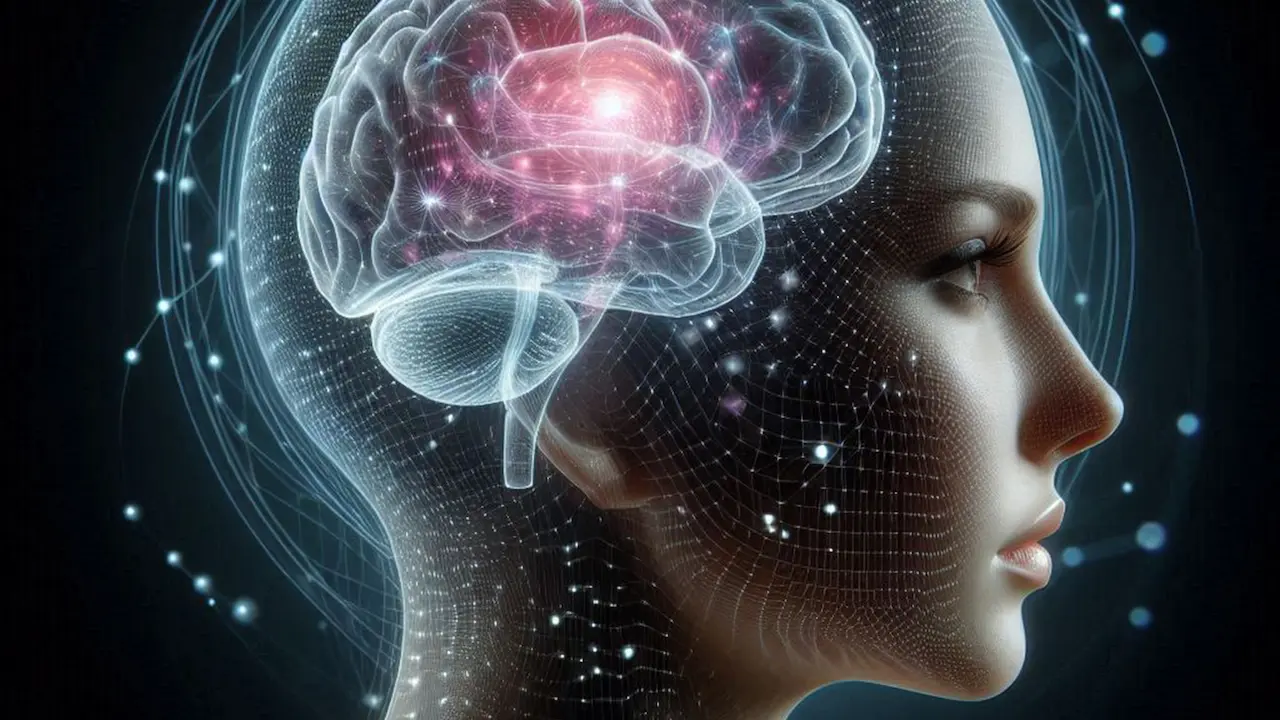
Vital Summary
- The “Negativity Bias”: Evolutionarily, your brain is hardwired to prioritize “threat” information (bad news) over positive information to ensure survival.
- The Amygdala Hijack: At night, when your prefrontal cortex is tired, the Amygdala becomes hyper-reactive, processing a “headline” with the same urgency as a “predator.”
- The Cortisol Loop: Reading bad news triggers a stress response that keeps you awake, leading to more scrolling in an attempt to find a “solution.”
- The “Information Foraging” Instinct: Your brain thinks that by gathering more data about the threat, it will eventually feel “safe,” but the digital firehose has no end.
Quick Answer
Your brain treats late-night bad news as a physical threat because your Limbic System cannot distinguish between a symbolic danger (a global crisis on your screen) and a literal danger (a fire in your home). When you “doomscroll,” you are triggering a survival mechanism called Information Foraging. Your brain is trying to find a “resolution” to the anxiety, but because the news cycle is infinite, you stay trapped in a high-cortisol “fight or flight” state that prevents the onset of restorative sleep.
The Neuroscience of the “Digital Predator”
The human brain evolved in an environment where “bad news” was usually local, immediate, and actionable (e.g., “There is a leopard near the watering hole”). In the modern world, your brain uses those same ancient circuits to process global events.

The Mechanics of the Doom-Loop:
- The Amygdala’s Alarm: When you see a distressing headline, your Amygdala fires instantly. It sends a signal to the Hypothalamus to prepare the body for action.
- The Nocturnal Vulnerability: During the day, your Prefrontal Cortex (the rational center) acts as a “filter,” telling the amygdala, “This is sad, but we are currently safe.” At night, this filter is exhausted. Without rational oversight, the “threat” feels personal and immediate.
- The Cortisol Spike: The stress of the news triggers the release of Cortisol and Adrenaline. These hormones are “anti-sleep” chemicals; they increase your heart rate and sharpen your focus, making it biologically impossible to drift into REM sleep.
- The Dopamine Paradox: Surprisingly, scrolling also releases Dopamine. Your brain’s reward system incentivizes you to “keep looking for the answer/threat.” This creates a “Tired but Wired” state where you are exhausted but cannot stop seeking the next bit of data.
Evidence Strength: Very high for the “Negativity Bias” in human evolution; strong evidence that sleep deprivation increases amygdala reactivity by over 60%.
What This Means for You
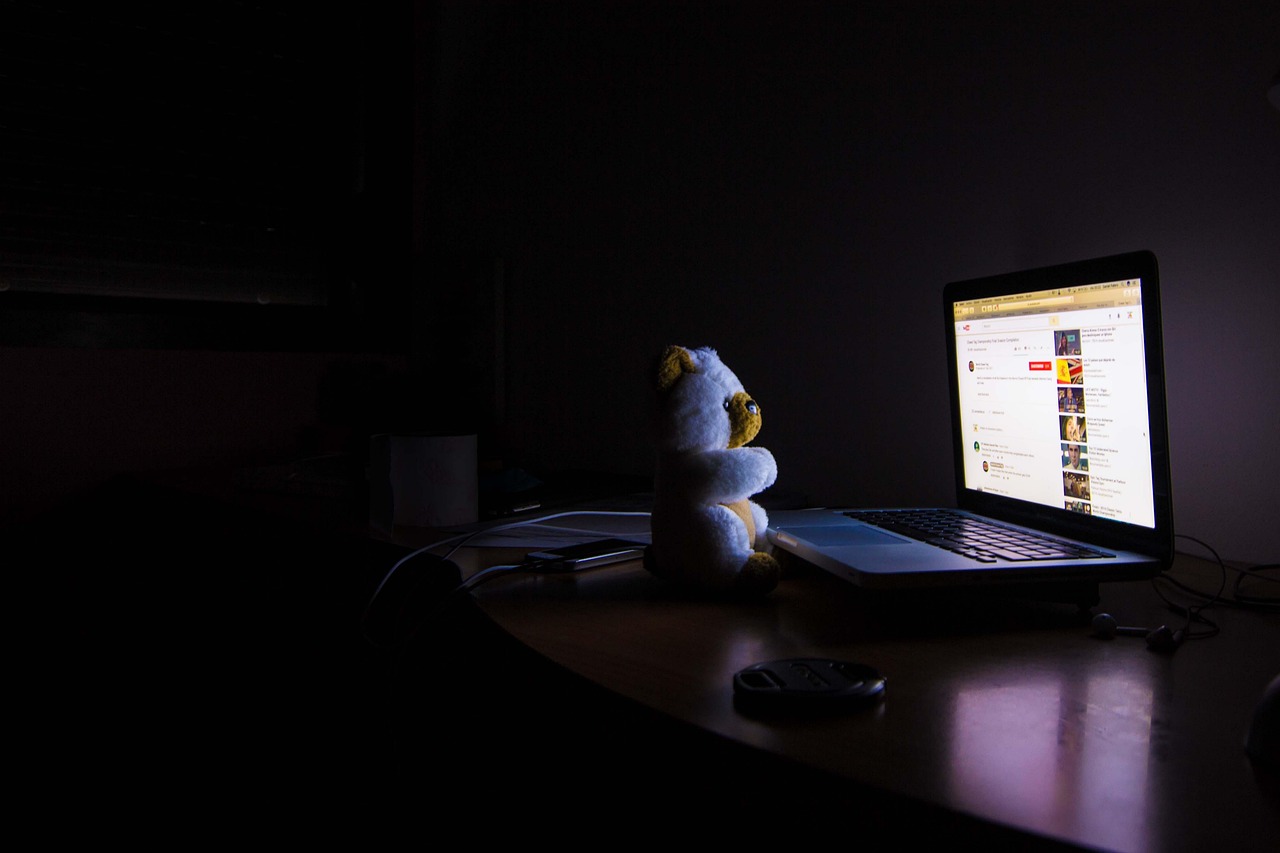
You’re lying in bed, the room is dark, and the only light is the blue glow of your phone. You see a post about a crisis, and suddenly your chest feels tight. You keep scrolling, looking for a comment or a follow-up that says “everything is okay.”
You aren’t being “informed”; you are being emotionally hijacked. By scrolling at night, you are telling your nervous system that you are currently under attack. Your body responds by keeping you awake to “guard the camp.” This is why doomscrolling doesn’t end with a feeling of “clarity”—it ends with a feeling of hollow, shaky exhaustion.
[Related: Nervous System Basics]
Visual Logic: Information vs. Threat
| State | “Healthy” Information Seeking | Doomscrolling (Threat Mode) |
| Goal | To understand and take action. | To find a “safety” that doesn’t exist. |
| Brain Region | Prefrontal Cortex (Analytical). | Amygdala (Reactive/Emotional). |
| Hormonal Profile | Balanced. | Spiking Cortisol & Adrenaline. |
| Result | Knowledge & Resolution. | Anxiety & Insomnia. |
The “Safe Harbor” Protocol: 1-2-3
To protect your brain from the 24/7 threat cycle, you must create a “Biological Border” around your sleep.
- The “News Sunset”: Set a hard cutoff for news consumption at least 2 hours before bed. This allows the initial adrenaline wave to dissipate and gives the liver time to clear stress hormones from your system.
- The Physical “Leave”: If you find yourself doomscrolling, physically get out of bed. Walk to another room, drink a glass of water, and come back. This “context-shift” helps break the motor-loop of scrolling and signals to the brain that the “threat” has passed.
- The “Slow-Info” Alternative: Replace social feeds with long-form content (a physical book or a long-form article on a non-distressing topic). Long-form reading engages the Prefrontal Cortex, which naturally dampens the Amygdala’s alarm.
How to Start
- If you’re busy: Use “App Timers” to lock news and social media apps at 9:00 PM. Don’t rely on willpower; use the software to guard your biology.
- If you’re serious: Charge your phone in a different room. If the “predator” isn’t in your hand, your brain won’t feel the need to keep watch.
- If you’re a beginner: Follow a “One Positive, One Negative” rule during the day. For every distressing thing you read, seek out one piece of progress or solutions-based news to balance the “threat” bias.
Pros & Cons of the Threat Bias
Pros:
- Keeps you aware of genuine dangers in your immediate environment.
- Motivates you to take action or prepare for future challenges.
Cons:
- Compassion Fatigue: Chronic exposure to global suffering can lead to emotional numbness.
- Systemic Inflammation: Constant cortisol spikes from doomscrolling can weaken the immune system.
- Sleep Debt: Directly interferes with the “cleaning” phase of the brain (glymphatic system) that happens during deep sleep.
FAQ
Is blue light the only problem?
No. While blue light affects melatonin, the content of what you read affects your nervous system. You can have a blue-light filter on, but a scary headline will still trigger an adrenaline spike.
Why is it so much harder to stop at night?
Because of “Ego Depletion.” Your willpower is a limited resource that is used up throughout the day. By 11:00 PM, your “rational filter” is at its weakest, making it easy for the primal brain to take over.
Final Takeaway
Doomscrolling is an evolutionary “misfire.” Your brain treats digital bad news like a physical predator, triggering a survival response that floods your body with stress hormones. At night, when your rational brain is tired, this “Threat Bias” becomes a loop of cortisol and insomnia. To reclaim your sleep, you must treat your digital consumption as a biological input and create strict boundaries that allow your nervous system to feel safe enough to rest.
References
- Baumeister, R. F., et al. (2001). Bad is stronger than good. Review of General Psychology. https://doi.org/10.1037/1089-2680.5.4.323
- Van der Helm, E., et al. (2011). REM sleep depotentiates amygdala activity to previous emotional experiences. Current Biology. https://doi.org/10.1016/j.cub.2011.10.052
- Panksepp, J. (1998). Affective Neuroscience: The Foundations of Human and Animal Emotions. Oxford University Press.