Vital Summary
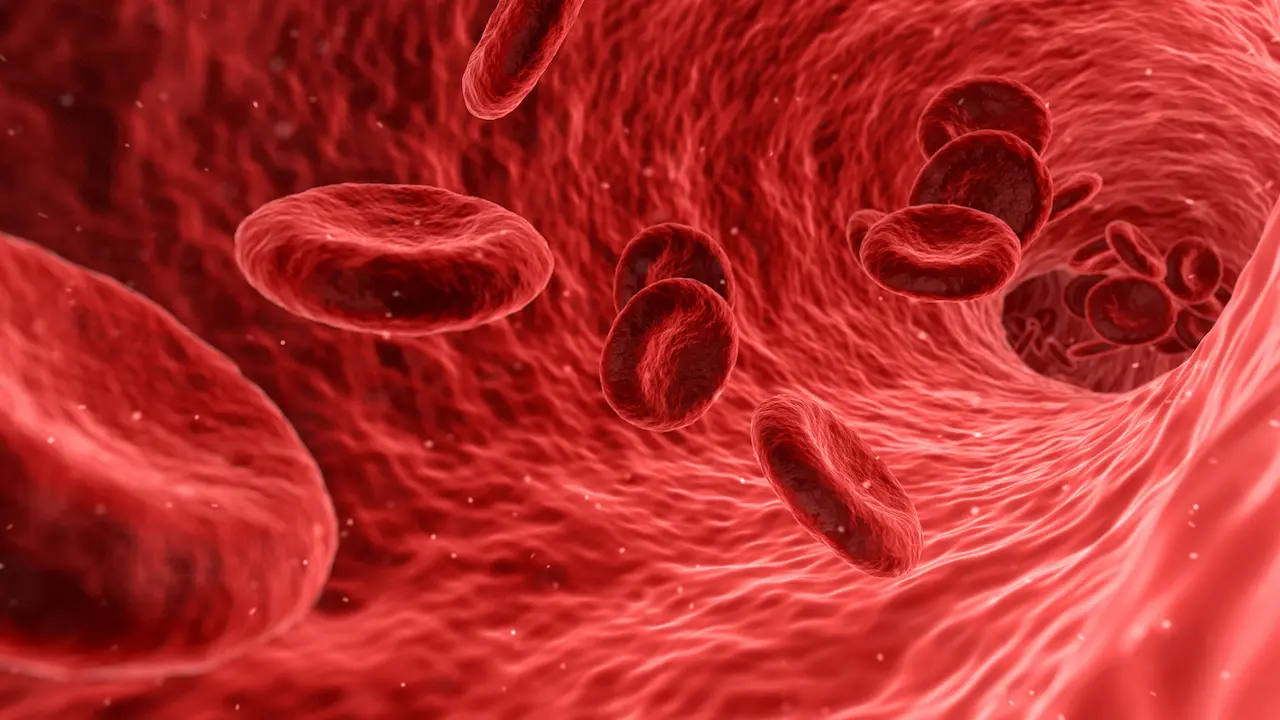
- The Blood Sugar Spike: Your body may be releasing cortisol to boost low blood sugar, which acts like an internal alarm clock.
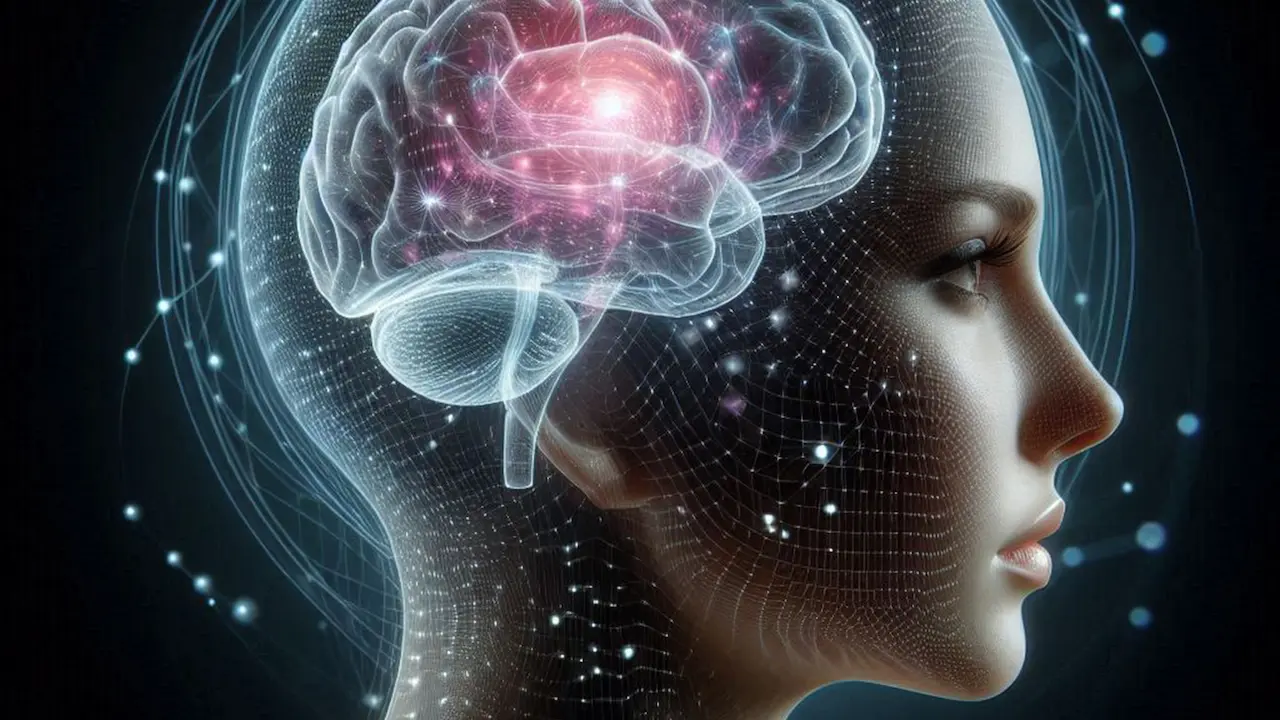
- The Stress Loop: High daytime stress keeps your nervous system in “alert mode,” making it harder to stay in deep sleep.
- The Liver’s Rhythm: In traditional observations and modern biology, this window is when the body processes metabolic waste.
- Micro-Wakes: Brief awakenings are normal, but “alertness” at 3 AM usually signals a lifestyle or chemical trigger.
The Science Behind This
Waking up in the early morning hours is often tied to the circadian rhythm and the delicate balance of hormones like melatonin and cortisol.
Around 3:00 AM, your core body temperature begins to rise, and melatonin levels start to dip while cortisol—the “alertness hormone”—begins its slow climb to wake you up for the day. If your body is under stress or if your blood sugar has dropped too low (hypoglycemia), the brain triggers a larger-than-normal cortisol spike to mobilize energy. This surge can pull you completely out of sleep rather than letting you drift into the next cycle.
Furthermore, most of our deep sleep occurs in the first half of the night. By 3:00 AM, you are moving into longer periods of REM (Rapid Eye Movement) sleep, which is much lighter and easier to disrupt.
Credible Citations:
- Sleep Foundation: The Circadian Rhythm and Sleep
- Harvard Health: Understanding Sleep Cycles
- Journal of Clinical Endocrinology & Metabolism: Cortisol and Sleep Interruption
What This Means for You
If you find yourself staring at the ceiling at 3:15 AM, it is usually a sign that your “sleep pressure” is being overridden by an “alertness signal.”
This isn’t just about being “bad at sleeping.” It is often a physical response to how you spent your day. High caffeine intake late in the afternoon, a heavy alcoholic drink before bed, or ruminating on tomorrow’s to-do list creates a chemical environment where the brain stays on guard. Your body thinks it needs to be awake to handle a threat, even if that threat is just a full inbox.
Comparison Table (Visual Logic)
| Person Type | What to do | Why it works |
| Busy | Stop caffeine by 12:00 PM. | Clears stimulants from your system before bedtime. |
| Serious | Eat a small protein snack before bed. | Prevents blood sugar drops that trigger cortisol spikes. |
| Beginner | Keep the room at 18°C (65°F). | Supports the body’s natural cooling cycle for deep sleep. |
Simple Action Plan (1–2–3)
- The “Brain Dump”: Write down every worry or task for tomorrow two hours before bed to “offload” cognitive stress.
- The Blood Sugar Buffer: Have a small spoonful of almond butter or a few walnuts before sleep to stabilize glucose.
- The Darkness Protocol: Use blackout curtains or an eye mask to keep melatonin levels stable during the light-sleep phase.
If you’re busy:
Stick to the “No Caffeine after Noon” rule. It requires zero extra time but has the highest impact on sleep depth.
If you’re serious:
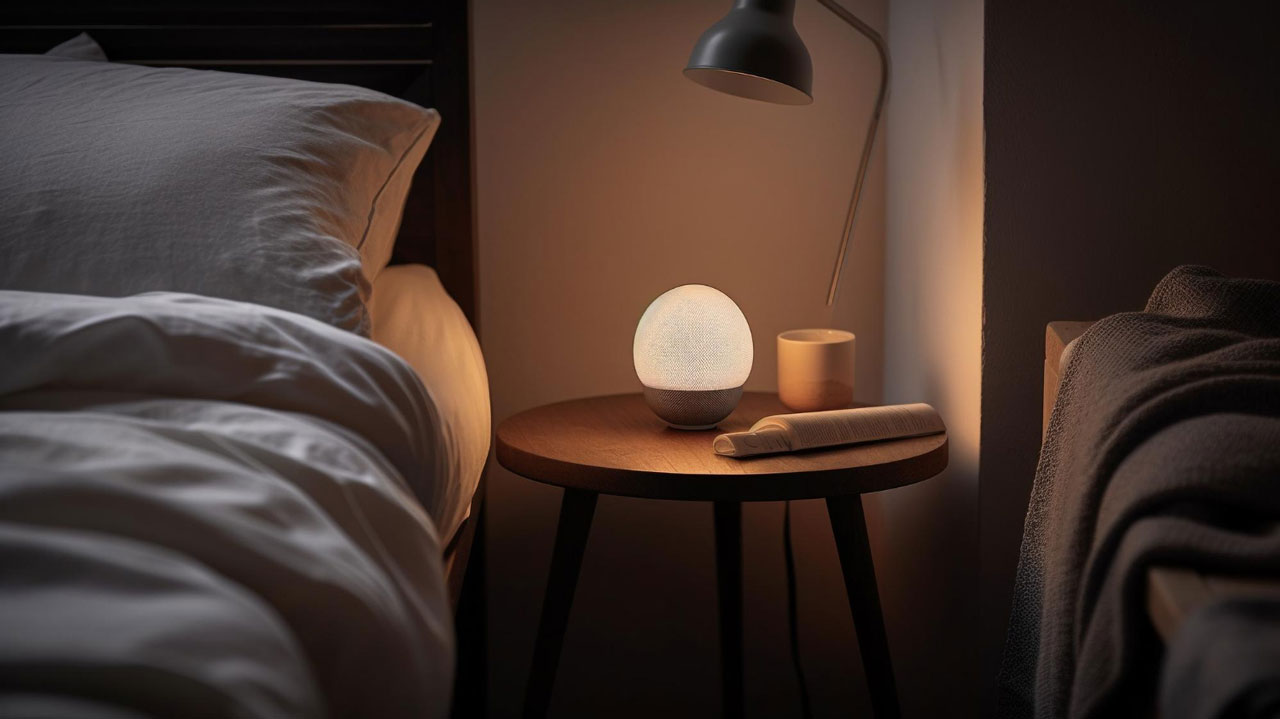
Implement a “Digital Sunset.” Turn off all blue-light screens 60 minutes before bed and replace them with dim, warm lighting and a physical book.
If you’re beginner:
Try the “4-7-8” breathing technique when you wake up at 3 AM. Inhale for 4 seconds, hold for 7, exhale for 8. This physically signals your nervous system to calm down.
Pros & Cons
Pros:
- Biological Awareness: Understanding the 3 AM wake-up helps reduce the anxiety of “insomnia.”
- Simple Fixes: Most triggers (light, temperature, sugar) are easily controlled.
Cons:
- Patience Required: It can take 7–10 days for the nervous system to recalibrate after changing habits.
- Medical Nuance: While usually lifestyle-based, frequent waking can sometimes indicate underlying issues like sleep apnea.
References
- Sleep Foundation. (2024). Why do I wake up at the same time every night? https://www.sleepfoundation.org
- National Institute of Neurological Disorders and Stroke. (2023). Brain Basics: Understanding Sleep. https://www.ninds.nih.gov
- Walker, M. (2017). Why We Sleep: Unlocking the Power of Sleep and Dreams. Penguin Books.