Vital Summary
- Immune Exhaustion: Measles triggers a massive immune response that consumes your body’s energy reserves, leading to profound fatigue.
- Respiratory Interruption: Coughing and congestion—key symptoms of the virus—physically block the deep, restorative stages of sleep.
- The “Immune Amnesia” Effect: The virus temporarily wipes out immune memory, making the body work harder to defend against everything else, which prolongs exhaustion.
- Recovery is Non-Linear: Sleep quality often remains poor for weeks after the rash fades as the nervous system recalibrates.
The Science Behind This
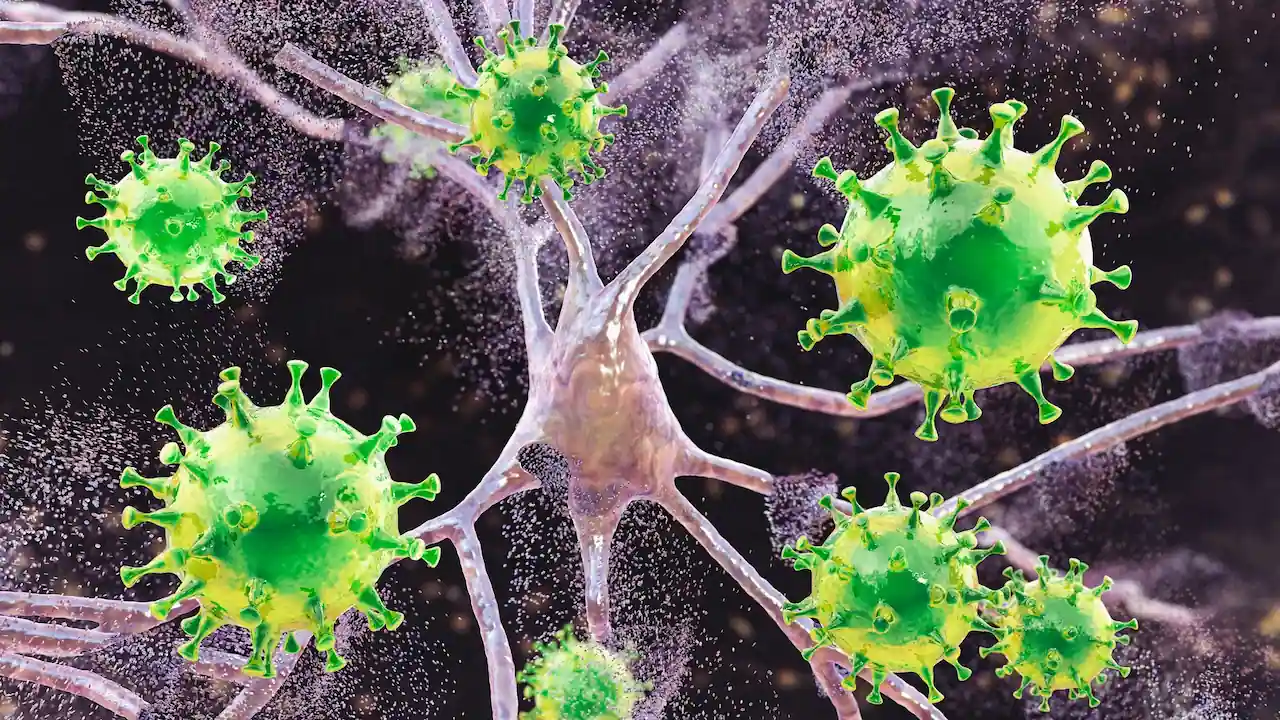
Measles is not just a skin rash; it is a systemic respiratory and immune assault. Research shows that the Morbillivirus primarily targets immune cells, leading to a state often called “immune amnesia.” When the body fights measles, it produces high levels of cytokines—signaling proteins like Interleukin-1 and TNF-alpha. While these are necessary to kill the virus, they are also “sleep-inducing” substances that cause the heavy, lethargic feeling known as “sickness behavior.” However, even though you feel sleepy, the quality of that sleep is often poor because the virus causes significant inflammation in the upper respiratory tract, leading to fragmented rest and lower blood oxygen levels during the night.
Key Research Sources:
- Science: Studies on how measles causes long-term “immune amnesia” by depleting memory B and T cells (Mina et al., 2015).
- The Lancet: Research on the systemic inflammatory response and its metabolic cost to the human body.
- BMJ: Clinical observations of post-viral fatigue syndromes following acute viral infections.
What This Means for You
If you or a loved one are recovering from measles, “just getting a good night’s sleep” is harder than it sounds. Your body is essentially rebuilding its entire security system from scratch.
You may find that even after the fever breaks, you feel “wired but tired.” This is because your internal clock (circadian rhythm) has been disrupted by days of fever and irregular napping. Understanding that this fatigue is a biological necessity—not laziness—is the first step toward a calm recovery.
Comparison Table: Recovery Approaches
| Person Type | What to consider | Why it’s supported by evidence |
| If you’re busy | Prioritize “Micro-Rests” (15-min breaks) throughout the day. | Reduces the cumulative load on a depleted metabolic system. |
| If you’re serious | Strict sleep hygiene: No screens, cool room, and 9+ hours of rest. | Minimizes external stressors while the immune system rebuilds memory cells. |
| If you’re a beginner | Increase hydration and use a humidifier at night. | Thins mucus to reduce cough-related wakefulness and physical discomfort. |
Simple Action Plan (1–2–3)
- Hydrate for Airway Clarity: Keep mucus thin by drinking water consistently. This prevents the “coughing fits” that snap you out of deep sleep.
- Manage the Environment: Use blackout curtains. Measles often causes photophobia (light sensitivity), and even small amounts of light can trigger headaches and wakefulness.
- Gradual Re-entry: Do not return to full physical activity the moment the rash disappears. Add 20% more activity every two days to avoid a “crash.”
If you’re busy:
Focus exclusively on an earlier bedtime. Shift your schedule to allow for one extra hour of sleep, even if you have to let minor chores slide.
If you’re serious:
Track your resting heart rate. If it remains elevated, your body is still fighting. Stay in “recovery mode” (low stress, high rest) until your heart rate returns to its baseline.
If you’re a beginner:
Focus on humidity. Use a saline nasal spray or a humidifier to keep your throat moist, which is the simplest way to reduce sleep interruptions.
Pros & Cons
Pros:
- Resting allows the body to re-allocate energy toward “re-learning” immune defenses.
- Proper sleep hygiene reduces the risk of secondary infections (like pneumonia) which often follow measles.
Cons:
- Extended rest can temporarily disrupt your regular work/life routine.
- Over-sleeping during the day can lead to insomnia at night (the “sleep inversion” effect).
References
- Mina, M. J., et al. (2015). Long-term measles-induced immunomodulation increases overall childhood infectious disease mortality. Science. Link to Science
- World Health Organization (WHO). (2023). Measles Fact Sheet: Symptoms and Recovery. Link to WHO
- Moss, W. J. (2017). Measles. The Lancet. Link to Lancet