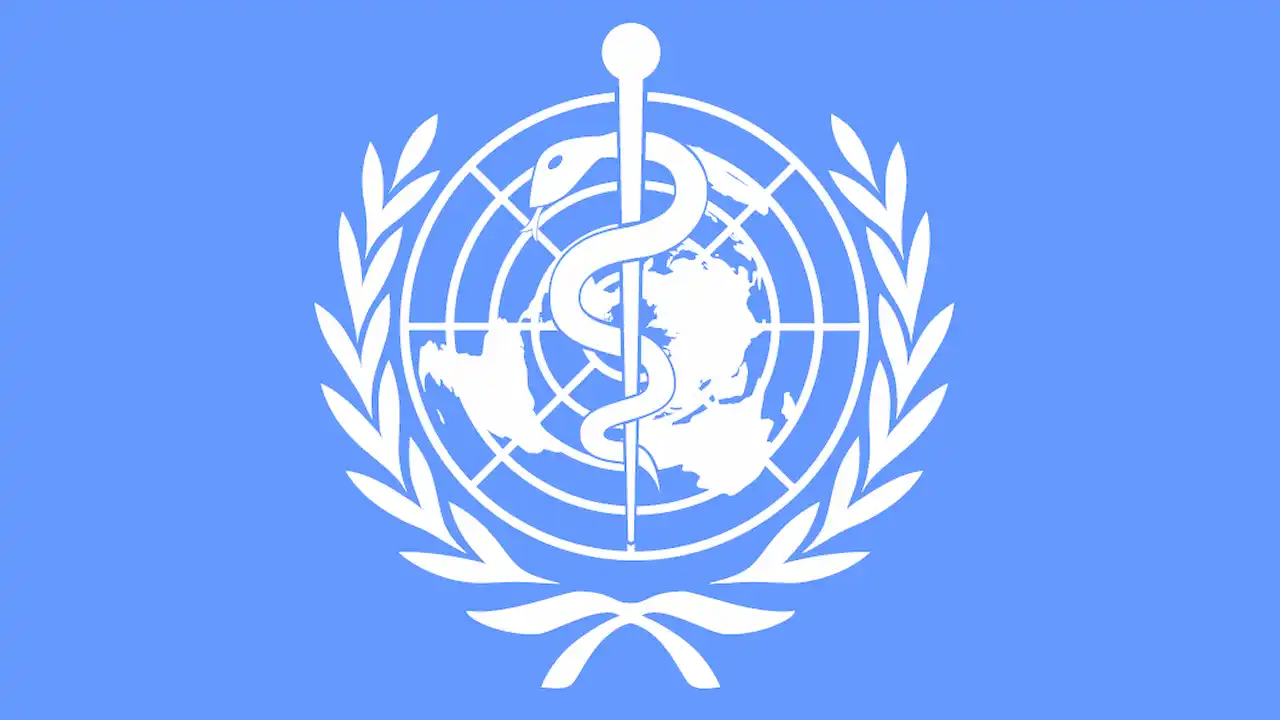
The World Health Organization (WHO) is a specialized agency of the United Nations (UN) that functions as the directing and coordinating authority for international public health. Established to act as a central nervous system for global health security, the WHO provides the framework through which 194 Member States collaborate to address health challenges that transcend national borders.
Objective Definition — What it is
The WHO is categorized as an intergovernmental organization. Unlike a national health ministry, which has direct jurisdiction over a single country’s citizens, the WHO operates on a global scale to set norms, standards, and policies. Its fundamental role is to promote health, keep the world safe, and serve the vulnerable by leading the response to health emergencies and managing the prevention of chronic and infectious diseases.
It is important to note that the WHO does not possess sovereign power; it cannot pass laws within a country or force a government to adopt its recommendations. Instead, it functions as a technical and advisory body that relies on international law, such as the International Health Regulations (IHR), and the voluntary cooperation of its members.
Mechanism of Action — How it works
The WHO operates through a decentralized structure that allows it to maintain global standards while addressing regional specificities. Its “mechanism” of action can be broken down into three primary components: governance, standard-setting, and implementation.
1. The Governance Framework
The WHO is governed by the World Health Assembly (WHA), which is the supreme decision-making body. Each year, delegates from all Member States meet in Geneva, Switzerland, to determine the organization’s policies, appoint the Director-General, and supervise financial policies. The Executive Board, composed of 34 technically qualified members, facilitates the work of the Assembly by giving effect to its decisions and advising on technical matters.
2. Normative and Standard-Setting Function
One of the most critical mechanisms of the WHO is the creation of “normative” products. This includes:
- The International Classification of Diseases (ICD): A global standard for diagnostic information.
- The Model List of Essential Medicines: A guide for countries on which medications are most necessary for a basic health system.
- Health Guidelines: Evidence-based recommendations for treating specific conditions, such as tuberculosis or hypertension.
3. Operational Delivery
The WHO operates through six regional offices (Africa, the Americas, South-East Asia, Europe, the Eastern Mediterranean, and the Western Pacific) and over 150 country offices. This structure allows the organization to move information and technical expertise from the central headquarters in Geneva down to the local level. During health crises, the WHO activates the Global Outbreak Alert and Response Network (GOARN) to coordinate international teams of experts to assist local authorities.
Historical Context
The WHO was established on April 7, 1948, a date now celebrated annually as World Health Day. Its creation was prompted by the recognition that previous international health efforts—dating back to the International Sanitary Conferences of the 19th century—were fragmented and insufficient to manage the rapid spread of infectious diseases in an increasingly connected world. The primary shift in understanding occurred when health was redefined in the WHO Constitution not merely as the absence of disease, but as a state of complete physical, mental, and social well-being.
Observed Data & Documented Findings
The WHO’s impact is measured through large-scale observational data and the management of global health milestones. Key findings regarding its effectiveness include:
- Smallpox Eradication: The WHO led the intensified global campaign that resulted in the certified eradication of smallpox in 1980. This remains the only human disease to be completely eliminated through coordinated international effort.
- Polio Reduction: Since the launch of the Global Polio Eradication Initiative (GPEI) in 1988, which the WHO co-leads, cases of wild poliovirus have decreased by over 99%.
- Tobacco Control: The WHO Framework Convention on Tobacco Control (WHO FCTC) is one of the most widely embraced treaties in UN history. Data indicates that MPOWER measures (a set of six practical policies) have protected billions of people from the effects of tobacco.
- The Global Burden of Disease: The WHO regularly publishes the World Health Statistics report, which monitors progress toward health-related Sustainable Development Goals (SDGs), providing the data necessary for countries to prioritize their health spending.
The Two-Sided View — Balance Table
The following table outlines the reported benefits of the WHO’s global presence alongside the documented risks and criticisms regarding its operations.
| Potential Benefits (as reported in studies) | Reported Side Effects / Risks / Criticisms |
| Standardization: Provides a universal “language” for health (ICD-11), allowing for global data comparison and clinical consistency. | Bureaucracy: Critics frequently cite the organization’s complex internal structure as a cause for slow decision-making during fast-moving crises. |
| Technical Expertise: Pools global scientific knowledge to provide high-quality guidelines for low-resource nations. | Political Influence: As a member-state organization, its decisions can be influenced by the geopolitical interests of its largest donors or powerful nations. |
| Crisis Coordination: Acts as a central hub for logistics, supply chains, and expert deployment during international health emergencies. | Funding Vulnerability: A significant portion of the budget comes from voluntary, earmarked contributions, which may limit the WHO’s flexibility to address neglected areas. |
| Equitable Access: Drives initiatives like COVAX or the Essential Medicines List to ensure treatments reach underserved populations. | Infringement Concerns: Some domestic political groups argue that WHO guidelines may lead to over-standardization that ignores local cultural or economic contexts. |
What We Know vs. What We Don’t Know
What science and history are confident about:
- The WHO is the only body with the legal mandate and global reach to coordinate international health responses.
- The organization’s normative standards (like the ICD) are foundational to modern medical insurance, research, and diagnostics worldwide.
- Coordinated international intervention is significantly more effective at controlling transboundary diseases than isolated national efforts.
What is still debated or unclear:
- The optimal balance between the WHO’s normative (policy) role and its operational (on-the-ground) role during emergencies.
- How the organization will maintain its independence as it becomes increasingly reliant on private philanthropic funding rather than assessed member dues.
- The long-term effectiveness of the proposed reforms to the International Health Regulations in preventing future pandemics.
References
About WHO — World Health Organization
World Health Organization
WHO Constitution — World Health Organization
World Health Organization
https://www.who.int/about/governance/constitution
The World Health Organization: Its History and Its Role in International Health — National Institutes of Health (NIH)
National Library of Medicine / PubMed Central
https://www.ncbi.nlm.nih.gov/pmc/articles/PMC2426802
History of the WHO — The Lancet
The Lancet
https://www.thelancet.com/journals/lancet/article/PIIS0140-6736(08)60605-2/fulltext