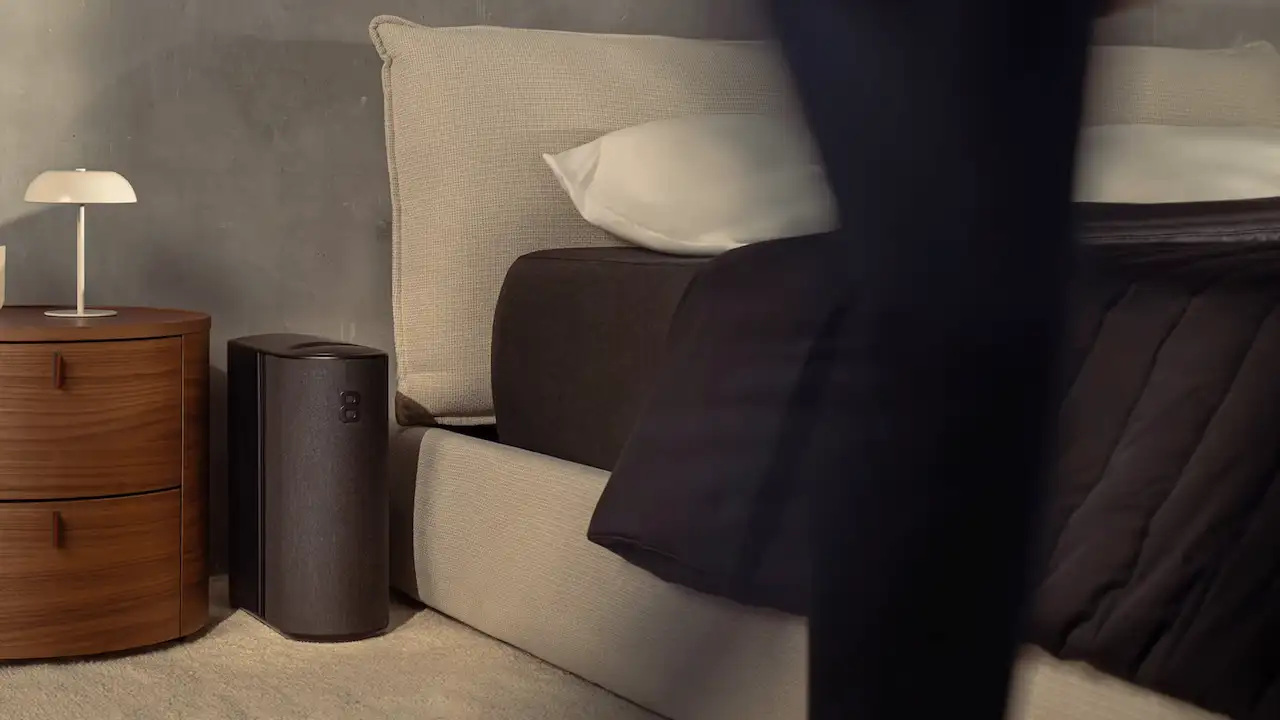
The Eight Sleep Pod is a high-technology sleep system categorized as a thermoregulating mattress overlay or integrated sleep environment. Unlike traditional bedding, it is a socio-technical system combining hardware (a liquid-based thermal layer), software (biometric sensors and machine learning algorithms), and a mechanical “hub” containing a water reservoir and heat pump.
Its fundamental role is the active modulation of proximal sleep temperature. Biologically, human sleep cycles are deeply tethered to the circadian rhythm of core body temperature. The Pod functions as an external thermoregulatory tool, aiming to align the sleeping surface temperature with the body’s natural cooling and warming phases to facilitate sleep onset and maintenance.
Mechanism of Action: How it Works
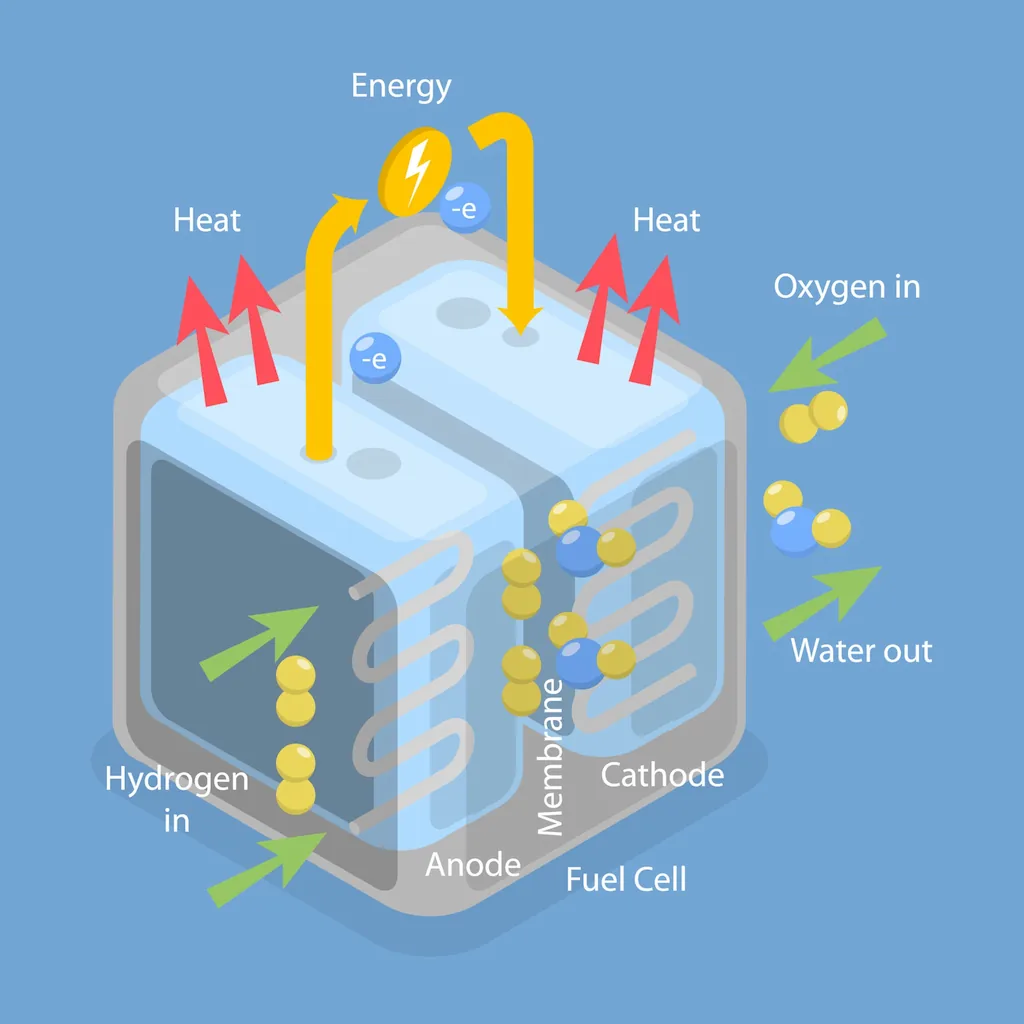
The Eight Sleep Pod operates through a closed-loop system of thermal exchange and biometric feedback. The process follows a specific logical sequence:
- Thermal Induction (The Hub): The central unit uses thermoelectric cooling and heating (Peltier effect) to adjust the temperature of water stored in its reservoir.
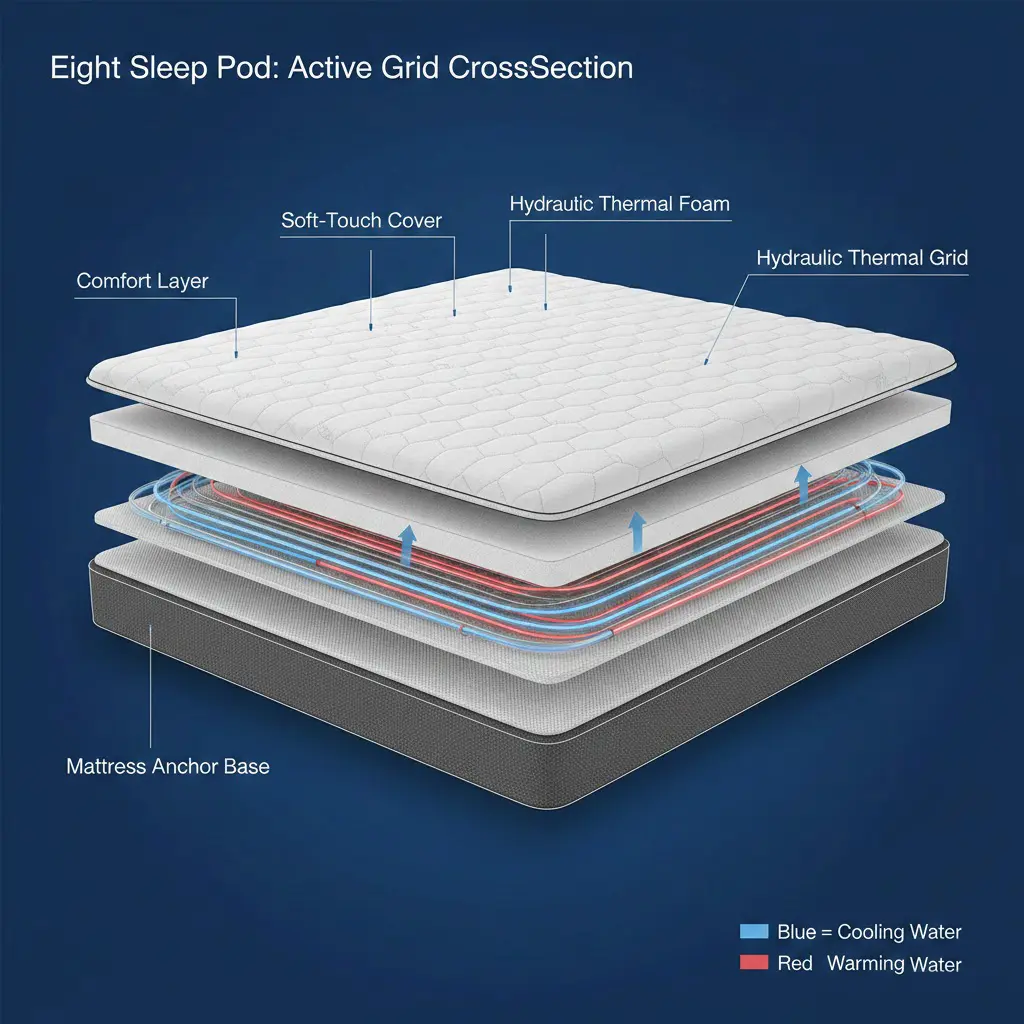
- Hydraulic Distribution (The Active Grid): This conditioned water is pumped through a network of flexible, micro-diameter tubing embedded within a foam or fabric “Active Grid” cover. This grid is placed directly onto the mattress.
- Conductive Heat Transfer: As the user lies on the grid, heat is exchanged via conduction. The system can lower the surface temperature to approximately 13°C (55°F) or raise it to 43°C (110°F).
- Biometric Sensing: Integrated into the grid are piezo-mechanical sensors that detect ballistocardiographic signals. These sensors monitor heart rate, heart rate variability (HRV), and respiratory rate without requiring wearable devices.
- Autonomous Adjustment: Using the collected biometric data and ambient room temperature sensors, the system’s algorithms adjust the water temperature in real-time. For instance, if the sensors detect the user has entered deep sleep, the system may further lower the temperature to support the body’s natural drop in core temperature.
Historical and Development Context
The concept of temperature-controlled sleep surfaces emerged from long-standing clinical observations that insomnia and poor sleep quality are frequently linked to thermoregulatory dysfunction. While electric blankets (heating) and ambient air conditioning (cooling) have existed for decades, the shift toward dynamic, liquid-based cooling began in the early 21st century. Engineers and sleep scientists became interested in this field as research highlighted that localized cooling of the skin—particularly the glabrous skin of the hands and feet—could accelerate the transition to sleep. The Eight Sleep Pod represents the evolution of this research, moving from static temperature settings to “smart” systems that react to the sleeper’s physiology.
Observed Data and Documented Findings
Research into thermoregulation and sleep hygiene provides the scientific foundation for the Pod’s design. Key findings in the field include:
- Sleep Onset Latency: Studies published in journals such as The Lancet have shown that a decrease in core body temperature is a biological trigger for sleep. Passive or active cooling of the skin can facilitate this drop, potentially reducing the time it takes to fall asleep.
- Deep Sleep and Slow Wave Activity: Research suggests that maintaining a cool environment prevents mid-night micro-arousals caused by overheating. Stable thermal environments are associated with longer durations of Slow Wave Sleep (SWS).
- Biometric Accuracy: Clinical validations of ballistocardiography (the technology used in the Pod’s sensors) have demonstrated that these non-invasive sensors can track heart rate and respiratory patterns with a high degree of correlation to gold-standard Polysomnography (PSG), though they are not a replacement for medical-grade diagnostic equipment.
The Two-Sided View
The following table presents the documented observations regarding the use of active thermoregulating sleep systems.
| Potential Benefits (as reported in studies) | Reported Side Effects / Risks |
| Improved Sleep Efficiency: Reduced wakefulness after sleep onset due to thermal comfort. | Mechanical Noise: The central hub produces white noise (fan/pump) which may disturb sensitive sleepers. |
| Circadian Alignment: Supports the natural biological drop in core temperature during the night. | System Rigidity: The internal tubing network may slightly alter the tactile feel or “firmness” of the mattress. |
| Non-Wearable Monitoring: Provides long-term biometric trends (HRV, HR) without the need for skin-contact devices. | EMF and Connectivity: Dependence on Wi-Fi and electricity introduces low-level electromagnetic fields and potential downtime during outages. |
| Dual-Zone Control: Allows two occupants of the same bed to maintain different thermal environments. | Maintenance Requirements: The system requires regular water treatment (peroxide) to prevent microbial growth in the reservoir. |
What We Know vs. What We Don’t Know
What science is confident about:
- Lowering ambient and surface temperature is a proven method to aid sleep onset.
- Core body temperature must drop by approximately 1°C to initiate a deep sleep cycle.
- Thermal discomfort is one of the leading causes of fragmented sleep in healthy adults.
What is still debated or unclear:
- The long-term impact of artificial thermal modulation on the body’s natural thermoregulatory “strength” over many years.
- The degree to which consumer-grade biometric data should be used for health decision-making without physician oversight.
- Whether active cooling provides a significant benefit to individuals who do not report temperature-related sleep issues.
References
The Role of Temperature in Sleep Onset — National Institutes of Health (NIH)
https://www.ncbi.nlm.nih.gov/pmc/articles/PMC3427038
Thermoregulation as a Sleep-Signaling System — Sleep Medicine Reviews (ScienceDirect)
https://doi.org/10.1016/j.smrv.2004.07.001
Ballistocardiography for Health Monitoring — IEEE Xplore / Stanford University Research