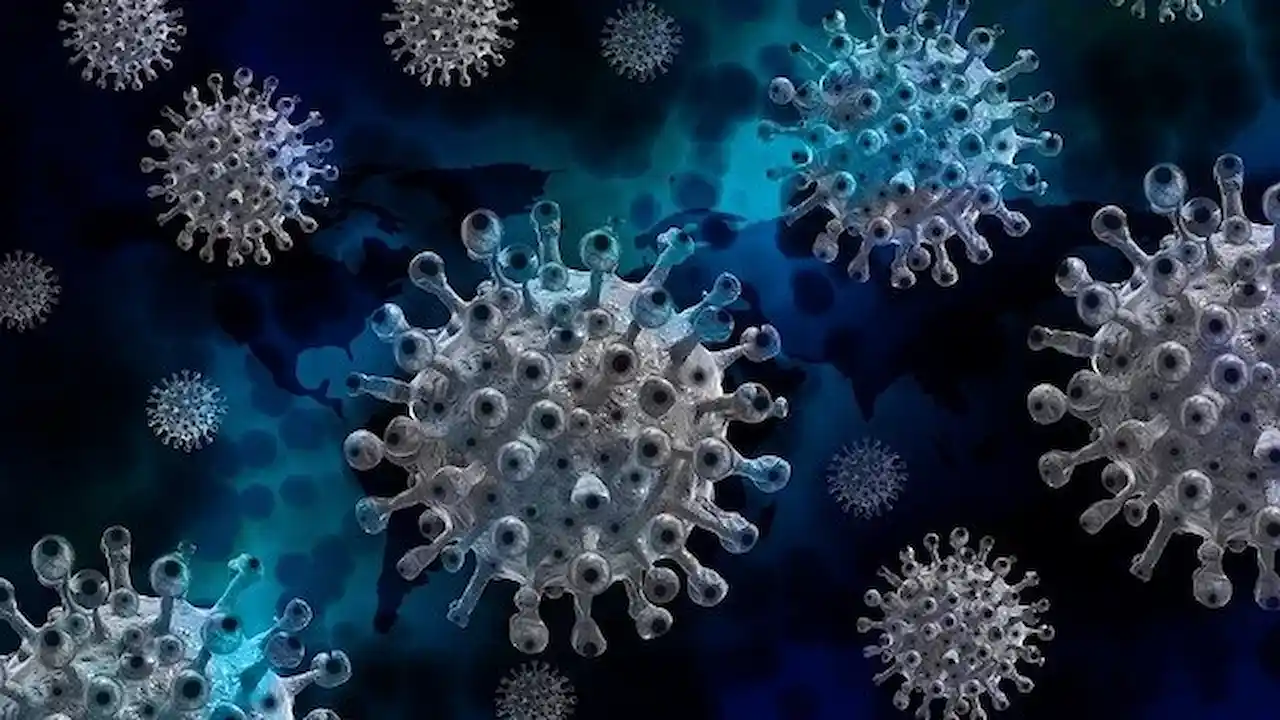
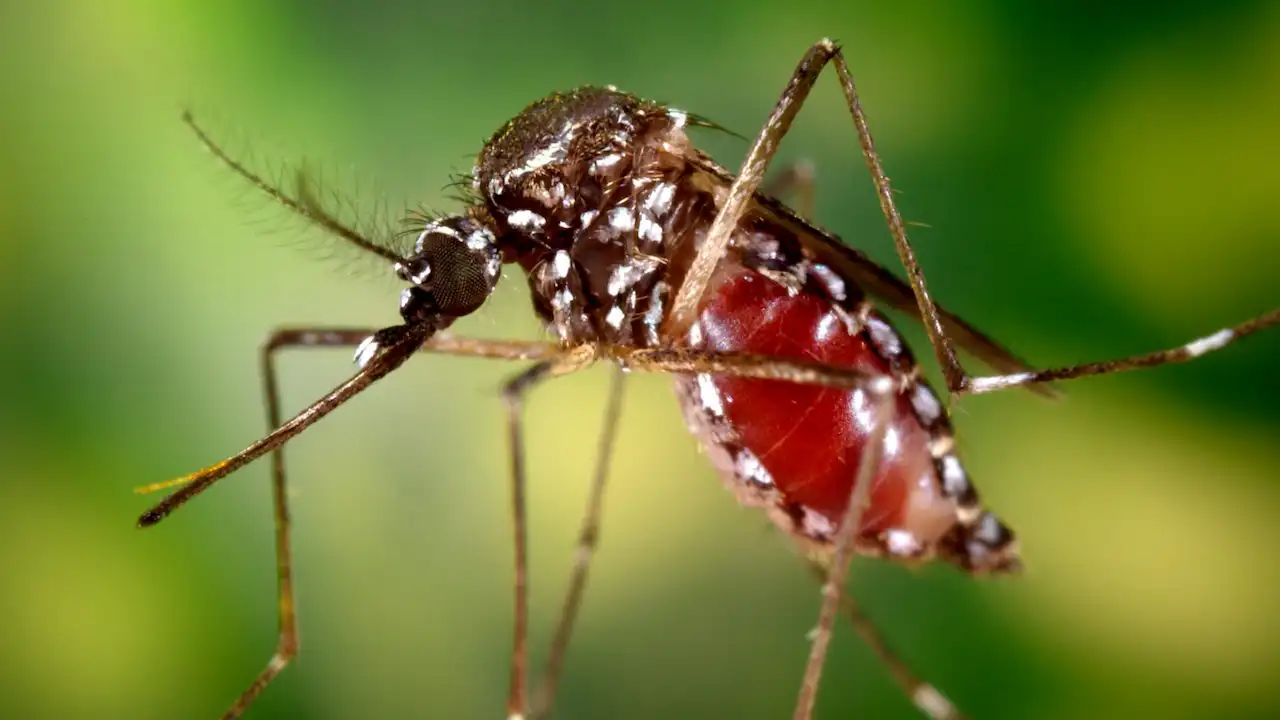
Chikungunya is a viral disease caused by the Chikungunya virus (CHIKV), which belongs to the Alphavirus genus in the Togaviridae family. It is classified as an arbovirus (arthropod-borne virus), meaning it is transmitted to humans primarily through the bites of infected mosquitoes, specifically Aedes aegypti and Aedes albopictus.
The fundamental role of the virus upon entering a human host is to replicate within specific target cells, triggering a systemic inflammatory response. The name “Chikungunya” is derived from a word in the Makonde language of Southeast Africa, meaning “that which bends up,” referencing the stooped posture of individuals experiencing the severe joint pain characteristic of the infection. Unlike many other viral infections that primarily affect the respiratory or digestive systems, Chikungunya specifically targets the musculoskeletal system, leading to high morbidity but typically low mortality.

Mechanism of Action — How It Works
The progression of Chikungunya disease follows a logical biological sequence from the initial transmission to the systemic immune response.
1. Inoculation and Initial Replication
When an infected mosquito bites a human, it injects the virus into the dermal layer of the skin. The virus initially targets and replicates within fibroblasts (connective tissue cells), keratinocytes, and melanocytes. This localized replication allows the viral load to increase before it enters the circulatory system.
2. Dissemination (Viremia)
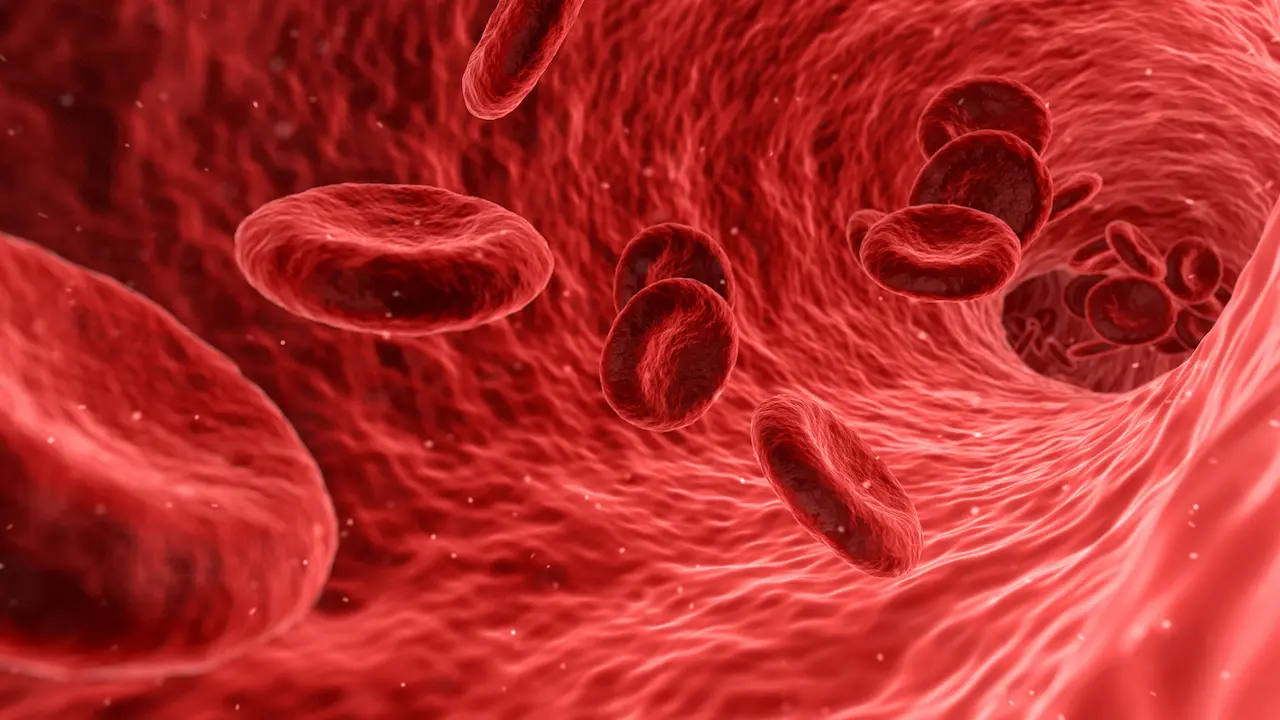
The virus travels from the skin to the regional lymph nodes and eventually enters the bloodstream, a state known as viremia. During this phase, which typically lasts $3$ to $10$ days, the virus is transported to various organs. It exhibits a high affinity for the liver, muscle tissues, and, most notably, the synovial membranes of the joints.
3. Cellular Interaction and Entry
CHIKV enters host cells through receptor-mediated endocytosis. While the specific primary receptor is still a subject of scientific study, the virus utilizes its envelope glycoproteins (E1 and E2) to fuse with the host cell membrane. Once inside, the viral RNA is released into the cytoplasm, where it hijacks the cell’s machinery to produce viral proteins and replicate its genome.
4. The Inflammatory Cascade
The presence of the virus triggers the innate immune system. Infected cells and macrophages release pro-inflammatory cytokines and chemokines, including Interleukin-6 (IL-6), Tumor Necrosis Factor-alpha (TNF-α), and Interferon-alpha (IFN-α). This “cytokine storm” is responsible for the sudden onset of high fever and the intense inflammation in joint tissues.
5. Downstream Effects
The inflammation leads to the recruitment of further immune cells (T-cells and B-cells) to the joints. In most cases, the immune system eventually clears the virus. However, in a subset of the population, the inflammatory process persists long after the virus is undetectable in the blood, leading to chronic joint pain (arthralgia).

Historical / Development Context
Chikungunya was first identified and isolated in 1952 during an outbreak on the Makonde Plateau, located in modern-day Tanzania. Researchers Marion Robinson and W.H.R. Lumsden were the first to describe the clinical presentation and distinguish it from Dengue fever, which presents with similar symptoms. For several decades, the virus was viewed as a tropical ailment with sporadic outbreaks in Africa and Asia. However, a major shift in understanding occurred in the mid-2000s when a mutation in the viral envelope protein (E1-A226V) allowed the virus to be more easily transmitted by the Aedes albopictus mosquito. This adaptation facilitated the rapid global spread of the virus to temperate regions and the Americas, transforming it into a significant global public health concern.
Observed Data & Documented Findings
Clinical data across multiple decades have established a consistent profile for Chikungunya infection.
- Incubation and Presentation: Observational studies indicate an incubation period of $3$ to $7$ days. Approximately $72\%$ to $97\%$ of individuals infected with CHIKV develop symptomatic disease, which is a higher symptomatic rate compared to other arboviruses like Zika or West Nile.
- Acute Phase Findings: Clinical trials and hospital data confirm that the “triad” of symptoms—sudden high fever (often $>39^\circ\text{C}$), severe polyarthralgia (pain in multiple joints), and rash—occurs in the vast majority of acute cases. The joint pain is typically bilateral and symmetric, frequently affecting the hands, wrists, and ankles.
- Chronic Persistence: Longitudinal studies have documented that while the fever usually resolves within a week, the joint pain can be long-lasting. Data suggests that roughly $30\%$ to $60\%$ of patients experience persistent or recurrent joint pain for months or even years following the initial infection.
- Mortality and Risk Groups: While the disease is rarely fatal, documented findings show increased risk for severe complications in neonates exposed during delivery, adults over age $65$, and individuals with underlying medical conditions such as hypertension or diabetes.
The Two-Sided View: Clinical Phases and Impact
The following table compares the typical observations of the acute phase versus the documented long-term chronic outcomes.
| Acute Phase Characteristics (Short-term) | Chronic Phase Complications (Long-term) |
| Sudden Onset: Fever and joint pain appear abruptly within days of infection. | Persistence: Joint pain and stiffness can persist for months or years after the virus is cleared. |
| High Viral Load: The virus is actively replicating and detectable in the blood (viremia). | Absence of Viremia: Pain continues despite the lack of detectable replicating virus in the blood. |
| Dermatological Impact: A maculopapular rash frequently appears on the trunk and limbs. | Psychological Impact: Documented reports of fatigue, sleep disturbances, and depression linked to chronic pain. |
| Immune Activation: Rapid production of antibodies (IgM and IgG) to neutralize the virus. | Joint Damage: In rare cases, chronic inflammation may lead to joint erosions similar to rheumatoid arthritis. |
What We Know vs. What We Don’t Know
| What science is confident about: | What is still debated or unclear: |
| Aedes mosquitoes are the primary vectors for transmission. | The exact mechanism that causes pain to persist for years in some patients but not others. |
| Infection typically provides long-term immunity against reinfection. | The specific human cell receptors used for viral entry. |
| The virus causes significant systemic inflammation and high morbidity. | Whether the virus “hides” in certain tissues (viral reservoirs) or if the chronic pain is purely an autoimmune response. |
| Standardized diagnostic tests (PCR and Serology) can accurately identify the virus. | The long-term efficacy and duration of protection provided by newly developed vaccines. |
References
Chikungunya Fact Sheet — World Health Organization (WHO)
https://www.who.int/news-room/fact-sheets/detail/chikungunya
Chikungunya Virus: Clinical Features & Diagnosis — Centers for Disease Control and Prevention (CDC)
https://www.cdc.gov/chikungunya/hcp/clinical-features/index.html
Chikungunya virus: an emerging arbovirus of health importance — National Institutes of Health (NIH/PubMed)
https://www.ncbi.nlm.nih.gov/pmc/articles/PMC4711693
Chikungunya — The Lancet Infectious Diseases
https://www.thelancet.com/journals/laninf/article/PIIS1473-3099(11)70015-1/fulltext