
Blue light is a specific segment of the visible light spectrum defined by its short wavelength and high energy. It falls within the range of approximately 380 to 500 nanometers.+1
In the natural world blue light is primarily delivered by the sun. In the modern environment it is emitted by light-emitting diodes (LEDs) used in smartphones tablets computer screens and energy-efficient overhead lighting. Its fundamental role in the body is to regulate the circadian rhythm which is the internal clock that dictates sleep and wake cycles.+2
2) Mechanism of Action — “How it works”
Blue light interacts with the body through a specific biological pathway:
- Reception: Light enters the eye and hits the retina.
- Specialized Cells: It is detected by intrinsically photosensitive retinal ganglion cells (ipRGCs). These cells contain a photopigment called melanopsin which is particularly sensitive to blue wavelengths.
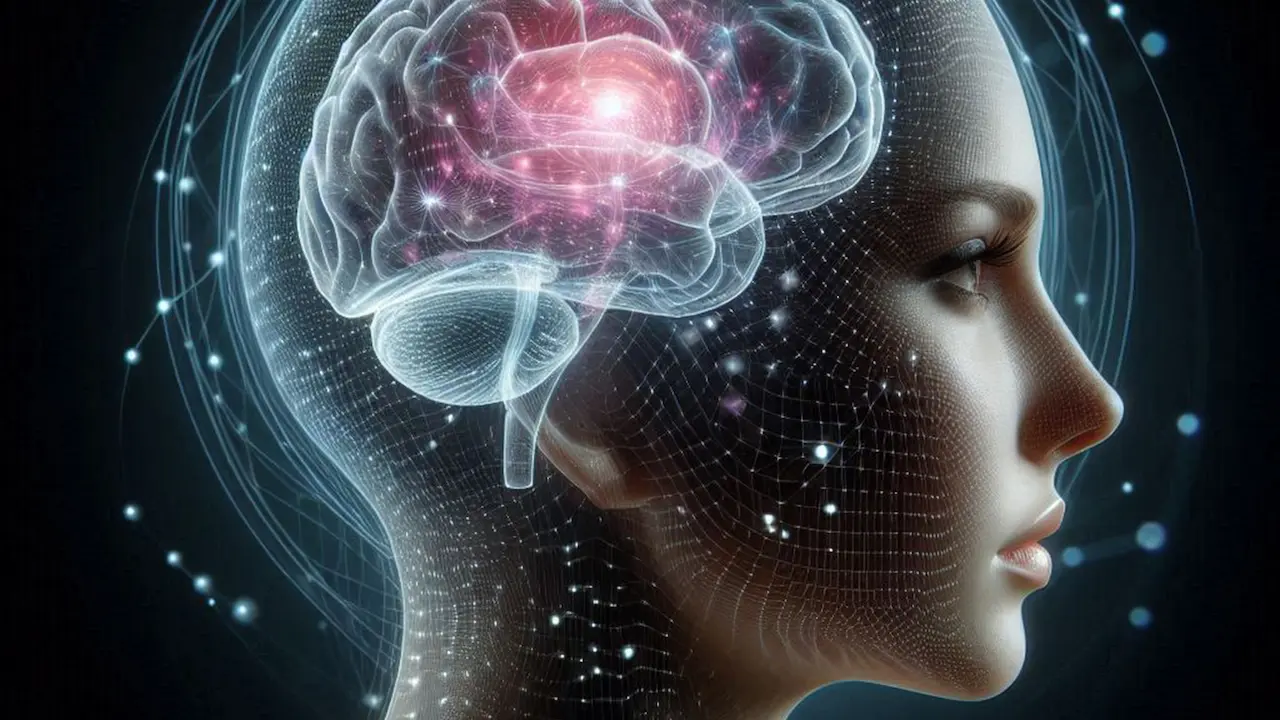
- Signal Transmission: These cells send a signal to the suprachiasmatic nucleus (SCN) in the brain which acts as the master clock.
- Hormonal Response: The SCN signals the pineal gland to suppress the production of melatonin the hormone responsible for sleep.
- Downstream Effect: This suppression increases alertness and elevates body temperature and heart rate to prepare the body for daytime activity.
3) Historical / Development Context
Humans evolved under natural sunlight where blue light was only present during the day. The invention of the electric light bulb in the late 19th century and the later transition to LED and digital screen technology shifted this balance. Scientists became interested in this change when they discovered that artificial blue light exposure after sunset could disrupt sleep patterns and metabolic health.
4) Observed Data & Documented Findings
Research has documented several impacts of blue light on human physiology:
- Sleep Quality: Large-scale observational studies show that screen use before bed is linked to shorter sleep duration and lower sleep quality due to melatonin suppression.
- Digital Eye Strain: Clinical data suggests that prolonged exposure to high-energy visible light can lead to symptoms like dry eyes and headaches though this is often caused by reduced blinking rather than the light alone.
- Mood and Alertness: Studies in controlled environments show that blue light exposure during daylight hours can improve reaction times and boost mood by stimulating neural pathways associated with attention.
5) The Two-Sided View — Balance Table
| Potential Benefits (as reported in studies) | Reported Side Effects / Risks |
| Increased daytime alertness and cognitive performance | Suppression of melatonin leading to difficulty falling asleep |
| Support for healthy circadian rhythms when used in the morning | Contribution to digital eye strain and retinal discomfort |
| Potential therapeutic use for seasonal affective disorder (SAD) | Disruption of metabolic health if sleep cycles are chronically interrupted |
6) What We Know vs. What We Don’t Know
What science is confident about:
- Blue light is the most effective wavelength for suppressing melatonin.
- Morning exposure to blue light helps synchronize the body’s internal clock.
- LED screens emit significantly more blue light than traditional incandescent bulbs.
What is still debated or unclear:
- The exact level of blue light exposure required to cause long-term physical damage to the human retina.
- The clinical effectiveness of “blue light blocking” glasses in preventing eye strain compared to simply taking breaks from screens.
References
Visible Light Spectrum and the Eye — American Academy of Ophthalmology
https://www.aao.org/eye-health/tips-prevention/blue-light-digital-eye-strain
Melatonin and Circadian Rhythms — National Institutes of Health (NIH)
https://www.nccih.nih.gov/health/melatonin-what-you-need-to-know
Effects of Blue Light on Human Health — Harvard Health Publishing
https://www.health.harvard.edu/staying-healthy/blue-light-has-a-dark-side