Vital Summary
- The Hidden Culprits: Liquid carbs and “naked” starches (carbs eaten without fiber or protein) cause the fastest spikes.
- Order Matters: Eating vegetables and protein before your carbs can significantly flatten your glucose curve.
- Muscle is a Sponge: Light movement right after a meal helps your muscles soak up sugar, preventing a crash.
- Stress & Sleep: High cortisol levels from poor sleep can cause high blood sugar even if you haven’t eaten.
The Science Behind This
Blood sugar, or glucose, is the body’s primary energy source. However, when glucose enters the bloodstream too quickly, the pancreas must pump out large amounts of insulin to manage it. Repeated “spikes” and “crashes” lead to fatigue, brain fog, and long-term metabolic issues.
Research shows that the speed of glucose entry is often more important than the total amount of carbs.
- Refined Carbohydrates: A study in The American Journal of Clinical Nutrition highlights that highly processed grains (white bread, sugary cereals) lack the fiber “brake” needed to slow digestion.
- Liquid Sugar: Research from Harvard T.H. Chan School of Public Health indicates that sugar in liquid form (soda, juice) bypasses much of the digestive process, hitting the bloodstream almost instantly.
- The “Second Meal Effect”: According to research in Diabetes Care, what you eat for breakfast influences your glucose response for the rest of the day.
What This Means for You
In everyday life, this means your “healthy” morning orange juice or your plain white bagel is likely causing a massive energy roller coaster. When your blood sugar spikes, it is almost always followed by a “crash,” which is why you feel shaky, irritable, or hungry again just two hours after eating. By managing these spikes, you stabilize your mood and protect your long-term health.
Comparison Table (Visual Logic)
| Person Type | What to do | Why it works |
| If you’re busy | Change your food order (Veggie/Protein first). | Slows down the absorption of any carbs that follow. |
| If you’re serious | Add a 10-minute walk after your largest meal. | Uses muscles to clear glucose without needing extra insulin. |
| If you’re a beginner | Stop “naked” carbs; always add a fat or protein. | Protein and fat act as a buffer for sugar entry. |
Simple Action Plan (1–2–3)
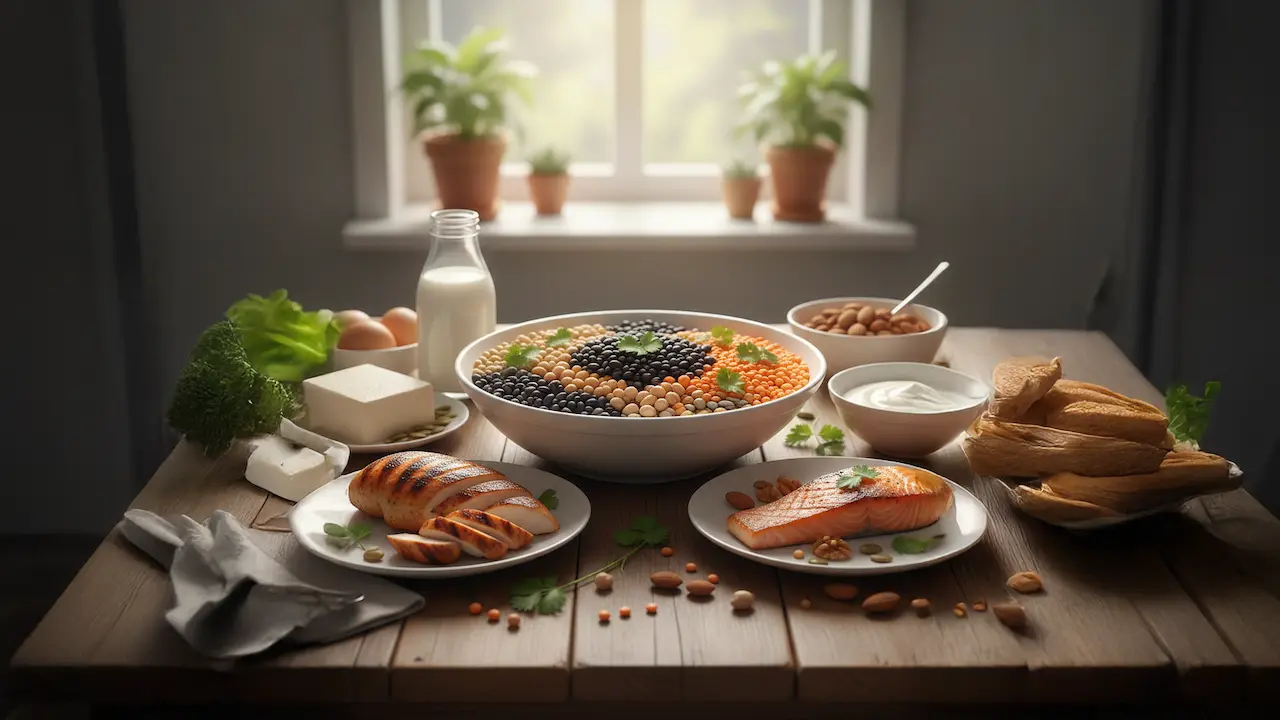
- Clothe your carbs: Never eat a piece of fruit or bread by itself. Pair it with nuts, Greek yogurt, or an egg.
- Sequence your plate: Eat your salad or fiber first, then your protein/fats, and save the starches (rice, potatoes, bread) for the end of the meal.
- The 10-minute rule: Within 30 minutes of eating, do some light movement—walk the dog, do the dishes, or try a few air squats.
If you’re busy:
Stick to the food sequencing rule. You don’t have to change what you eat, just the order in which you eat it. This requires zero extra time.
If you’re serious:
Incorporate post-meal movement. Aim for a 10–15 minute brisk walk after your lunch and dinner to actively flatten your glucose curve.
If you’re a beginner:
Focus on hydration swap. Replace one sugary drink or fruit juice per day with water or herbal tea. This removes the “easiest” glucose spikes from your day.
Pros & Cons
Pros:
- Stable Energy: No more afternoon “slumps” or brain fog.
- Weight Management: Lower insulin levels make it easier for the body to access stored fat for fuel.
- Mood Control: Reduces the “hangry” feelings caused by glucose crashes.
Cons:
- Social Friction: It can feel awkward to eat your side salad 10 minutes before the rest of the table starts their meal.
- Preparation: Eating whole, fiber-rich foods often requires more grocery shopping than buying processed “grab-and-go” snacks.
References
- Ludwig, D. S. (2002). The glycemic index: physiological mechanisms relating to obesity, diabetes, and cardiovascular disease. JAMA.
- Shukla, A. P., et al. (2015). Food order impacts postprandial glucose and insulin excursions in type 2 diabetes. Diabetes Care.
- Malik, V. S., & Hu, F. B. (2015). Sugar-sweetened beverages and cardiometabolic health. The Lancet Diabetes & Endocrinology.