
Vital Summary
- The Insulin Shift: When you eat sugar, insulin clears most amino acids from your blood but leaves “tryptophan” behind, which enters your brain and turns into serotonin and melatonin (the sleep hormones).
- The Orexin Switch: High glucose levels can temporarily “turn off” the brain cells responsible for keeping you awake and alert.
- The Reactive Drop: A large sugar spike often leads to an over-correction by your body, leaving you with low blood sugar and low energy shortly after eating.
The Science Behind This
The phenomenon of feeling tired after consuming sugar—often called “postprandial somnolence”—is a complex biological reaction involving your hormones and brain chemistry.
- Amino Acid Competition: Research shows that when insulin levels rise to handle sugar, it helps muscles absorb most amino acids. However, it spares tryptophan. This allows tryptophan to cross the blood-brain barrier more easily, where it is converted into serotonin (which calms you) and melatonin (which makes you sleepy) (Fernstrom, 2013).
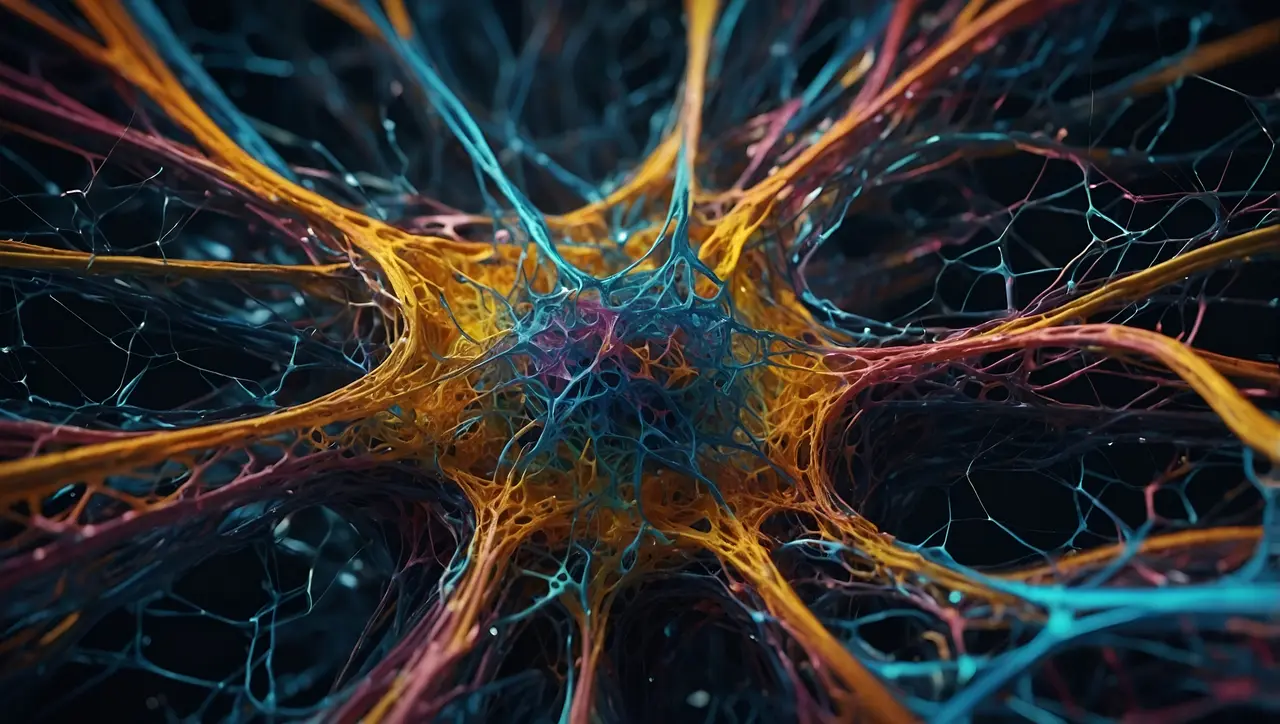
- Orexin Suppression: Scientists have discovered that orexin neurons in the hypothalamus, which are responsible for wakefulness and calorie burning, are sensitive to glucose. When blood sugar rises, these neurons can be “switched off,” leading to sudden lethargy (Burdakov et al., 2006).
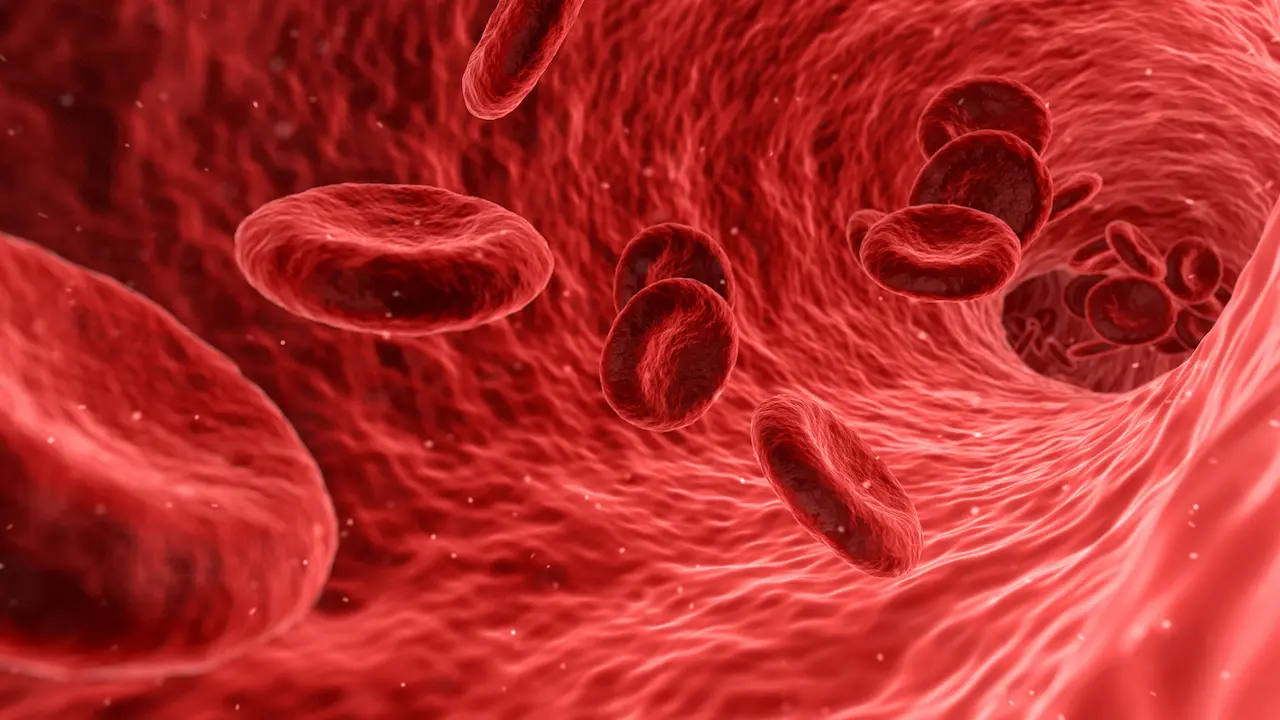
- The Counter-Regulatory Response: A diet high in refined sugars causes a rapid spike in blood glucose. The pancreas reacts by releasing a large amount of insulin. This often causes blood sugar to drop lower than its starting point, a state called reactive hypoglycemia, which leaves you feeling drained and “foggy” (American Journal of Clinical Nutrition, 2011).
What This Means for You
It means your “afternoon slump” might not be a lack of willpower, but a predictable biological reaction to what you ate for lunch. When you eat high-sugar foods alone, you are essentially sending a “sleep” signal to your brain. This can lead to a cycle of needing more sugar or caffeine to stay awake, which further destabilizes your energy levels throughout the day.
Comparison Table: Strategies for Energy Stability
| Person Type | What to do | Why it works |
| The Busy Professional | Pair “naked” carbs with fiber, fat, or protein. | Slows down the absorption of sugar into the bloodstream. |
| The Serious Optimizer | Take a 10-minute walk immediately after eating sugar. | Muscles use the glucose for energy before it can spike insulin too high. |
| The Beginner | Swap one sugary snack for a whole fruit or handful of nuts. | Provides natural sugars with built-in fiber to prevent the “crash.” |
Simple Action Plan (1–2–3)
- Sequence your meal: Eat your vegetables and protein first, and save the sweet items for the end of the meal.
- Add a “Buffer”: Never eat sugar on an empty stomach. Always pair it with a healthy fat (like peanut butter) or fiber.
- Hydrate: Drink a large glass of water with your treat to help your kidneys process the load and keep your blood volume stable.
If you’re busy:
Stick to the “10-minute rule.” If you eat something sugary, commit to 10 minutes of movement—even just pacing while on a phone call—to help your body use that sugar immediately.
If you’re serious:
Eliminate liquid sugars (sodas, sweetened coffees) entirely for 14 days. These hit the bloodstream the fastest and cause the most dramatic sleepiness.
If you’re beginner:
Start by adding one tablespoon of apple cider vinegar in a tall glass of water before your largest meal of the day. This has been shown to help blunt the glucose spike.
Pros & Cons
Pros of Managing Sugar Intake:
- Consistent mental clarity and “brain fog” reduction.
- Stable mood without the “hangry” irritability.
- Better quality of sleep at night because your hormones aren’t fluctuating.
Cons/Challenges:
- Requires more intentional meal planning.
- Social pressure to join in on “treats” or desserts.
- Initial cravings may be difficult during the first 3–5 days of adjustment.
References
- Burdakov, D., et al. (2006). Glucose-sensing neurons and energy homeostasis. Cell Metabolism.
- Fernstrom, J. D. (2013). Large neutral amino acids: Dietary effects on brain neurochemistry and function. Amino Acids Journal.
- Ludwig, D. S. (2011). The Glycemic Index: Physiological Mechanisms Relating to Obesity, Diabetes, and Cardiovascular Disease. The American Journal of Clinical Nutrition.