Vital Summary
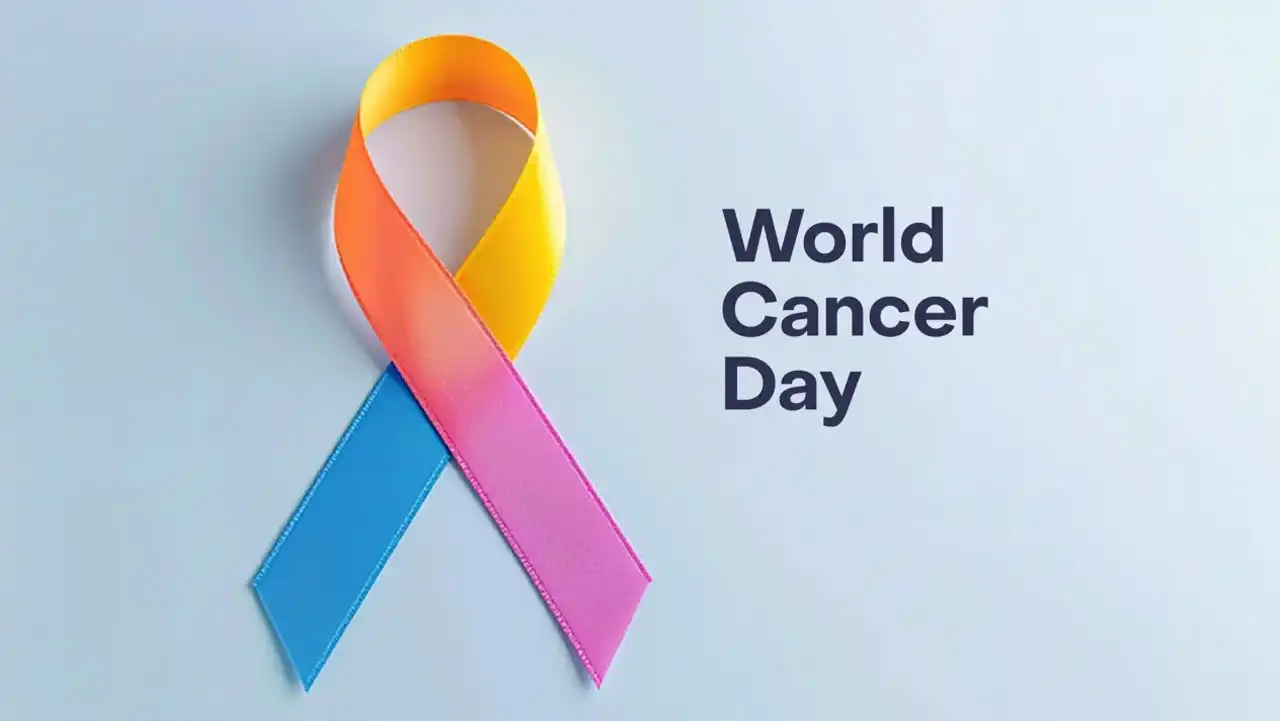
- World Cancer Day is a global awareness initiative held annually on February 4.
- It was established in 2000 during the World Summit Against Cancer in Paris.
- The day is led by the Union for International Cancer Control (UICC).
- Its primary purpose is to foster international cooperation and public education regarding cancer.
What This Day Is
World Cancer Day is an international observance dedicated to raising awareness about cancer. It serves as a unified platform where organizations, governments, and individuals around the world focus on the complexities of the disease.
The day was created to address a growing global health crisis. As cancer rates began to climb at the end of the 20th century, leaders in the medical and political fields recognized that no single country could tackle the issue alone. It was designed to move the conversation beyond hospital walls and into the public sphere, making the scientific and social aspects of the disease easier for the general public to understand.
Historical Background
The origins of World Cancer Day trace back to February 4, 2000, at the World Summit Against Cancer for the New Millennium held in Paris. At this summit, a document known as the Charter of Paris Against Cancer was signed by leaders and scientists.
The Charter consisted of ten articles outlining a global commitment to improving the facilitation of research, the quality of patient care, and the promotion of awareness. Article X of the Charter officially declared February 4 as World Cancer Day to ensure the spirit of the summit would be remembered every year.
Since its inception, the day has been spearheaded by the Union for International Cancer Control (UICC), a non-governmental organization based in Geneva, with support from the World Health Organization (WHO) and other international bodies. Over the decades, it has evolved from a small signing ceremony into a massive global movement involving thousands of activities in over 100 countries.

What It Represents Globally
Globally, World Cancer Day represents a moment of synchronization. Because cancer affects people regardless of borders or socioeconomic status, the day serves as a rare point of consensus among nations.
- For Governments: It is a time to review national health policies and data.
- For the Media: It is a period for sharing stories of scientific progress and the current state of global oncology.
- For NGOs: It acts as a focal point to highlight the “equity gap”—the difference in resources and survival rates between high-income and low-income regions.
By establishing a single day for the entire world to focus on the same topic, the UICC ensures that the conversation remains steady and consistent, preventing the subject from fading into the background of other news cycles.
Common Misunderstandings
- It is not a “celebration”: Unlike some holidays, it is a day of reflection and education. While progress in research is acknowledged, the tone is generally professional and somber.
- It is not only about medical treatment: While biology is a large part of it, the day also focuses on social factors, such as environmental influences, workplace safety, and the stigma often associated with the diagnosis.
- It is not a fundraising event: While many charities may use the day to raise money, the day itself is an “awareness” day intended for education and policy discussion rather than a direct solicitation of funds.